Today’s ESG Updates
- EU Parliament Backs Delay to Deforestation Law: Lawmakers support a one-year extension for EUDR compliance.
- UK Opens Green Financing to Nuclear Energy: Britain will now allow green-bond proceeds to support nuclear projects.
- EDF Looks to Exit U.S. Renewables as Nuclear Priorities Rise: The French utility may sell its entire American green-energy portfolio.
- Apple Faces New Claims Over Congo Conflict Minerals: A Washington nonprofit alleges Apple’s supply chain still includes minerals tied to armed groups and forced labor in the DRC.
EU Parliament supports one-year delay to anti-deforestation laws
The European Parliament voted on Wednesday to delay and streamline the EU Deforestation Regulation (EUDR), granting companies an extra year to comply after widespread concerns about administrative burdens and readiness. Under the revised timeline, large firms must meet requirements by December 30, 2026, while micro and small enterprises have until June 30, 2027. The amendment, which still requires final negotiations with EU governments, also softens several compliance requirements that industries argue are overly burdensome and could disrupt trade in commodities such as cocoa, coffee, soy, and palm oil. Commodity-driven deforestation remains one of the most urgent drivers – and results – of climate change. Between 2002 and 2024, global humid primary forests lost 16% of their tree cover. The EUDR aims to curb deforestation from these commodities, but the regulation continues to be pushed back.
***
Further reading: EU deforestation law: Parliament supports simplification measures
UK opens green bond financing to nuclear power
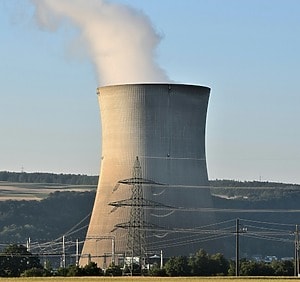
The UK has revised its green financing framework to allow proceeds from green gilts and savings bonds to fund nuclear energy projects for the first time. The change enables financing for construction, lifetime extensions, SMRs, and future fission and fusion R&D. The change lowers capital costs and puts nuclear on equal footing with renewables, but concerns persist around waste-management and safety risks. The update arrives as nuclear plants Hinkley Point C and Sizewell C face cost overruns and delays, with over £40 billion at Hinkley alone. Though labeling nuclear energy as “green” remains a global debate, its role as a reliable baseload source means it could significantly reduce the UK’s dependence on imported fossil fuels by 2030.
Klimado – Navigating climate complexity just got easier. Klimado offers a user-friendly platform for tracking local and global environmental shifts, making it an essential tool for climate-aware individuals and organizations.
***
Further reading: UK Clears Bond-Market Path for Nuclear to Be Treated as ‘Green’
EDF weighs full sale of U.S. renewables to fund domestic nuclear buildout
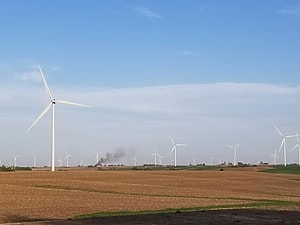
French utility EDF is considering selling all of its U.S. renewable energy business, valued at nearly €4 billion, as it redirects capital toward rebuilding France’s nuclear power fleet. CEO Bernard Fontana, appointed in April, is prioritizing energy-security investments and funding for six new nuclear reactors as EDF faces €50 billion in net debt. The company already booked a €900 million impairment on its Atlantic Shores offshore wind project after President Trump halted all wind development. With 23 GW developed and 16 GW under service in North America, a sale would mark one of the largest European renewable divestments in the U.S. this year.

***
Further reading: Exclusive: EDF weighs full sale of US renewable unit to focus on French nuclear
Apple hit with new lawsuit over Congo conflict minerals

Washington-based nonprofit International Rights Advocates has filed a new lawsuit accusing Apple of sourcing cobalt, tin, tantalum, and tungsten linked to armed groups and forced labor in the Democratic Republic of Congo and Rwanda. The suit claims Apple’s supply chain includes minerals processed by three Chinese smelters that investigators say handled ore smuggled through Rwanda. Apple quickly denied the allegations, citing supplier audits and its policy to halt sourcing from affected regions. The filing seeks an injunction and consumer-protection ruling rather than damages, meaning the group is focused on halting Apple’s alleged practices rather than seeking financial compensation. The DRC supplies roughly 70% of global cobalt, heightening investor attention on supply-chain transparency and ESG risk. Companies can use ESG tools to ensure sourcing practices are traceable, independently verified, and aligned with international human rights standards.
***
Further reading: US group sues Apple over Congo conflict minerals
Editor’s Note: The opinions expressed here by the authors are their own, not those of impakter.com — Cover Photo Credit: Ministério do Meio Ambiente e Mudança do Clima