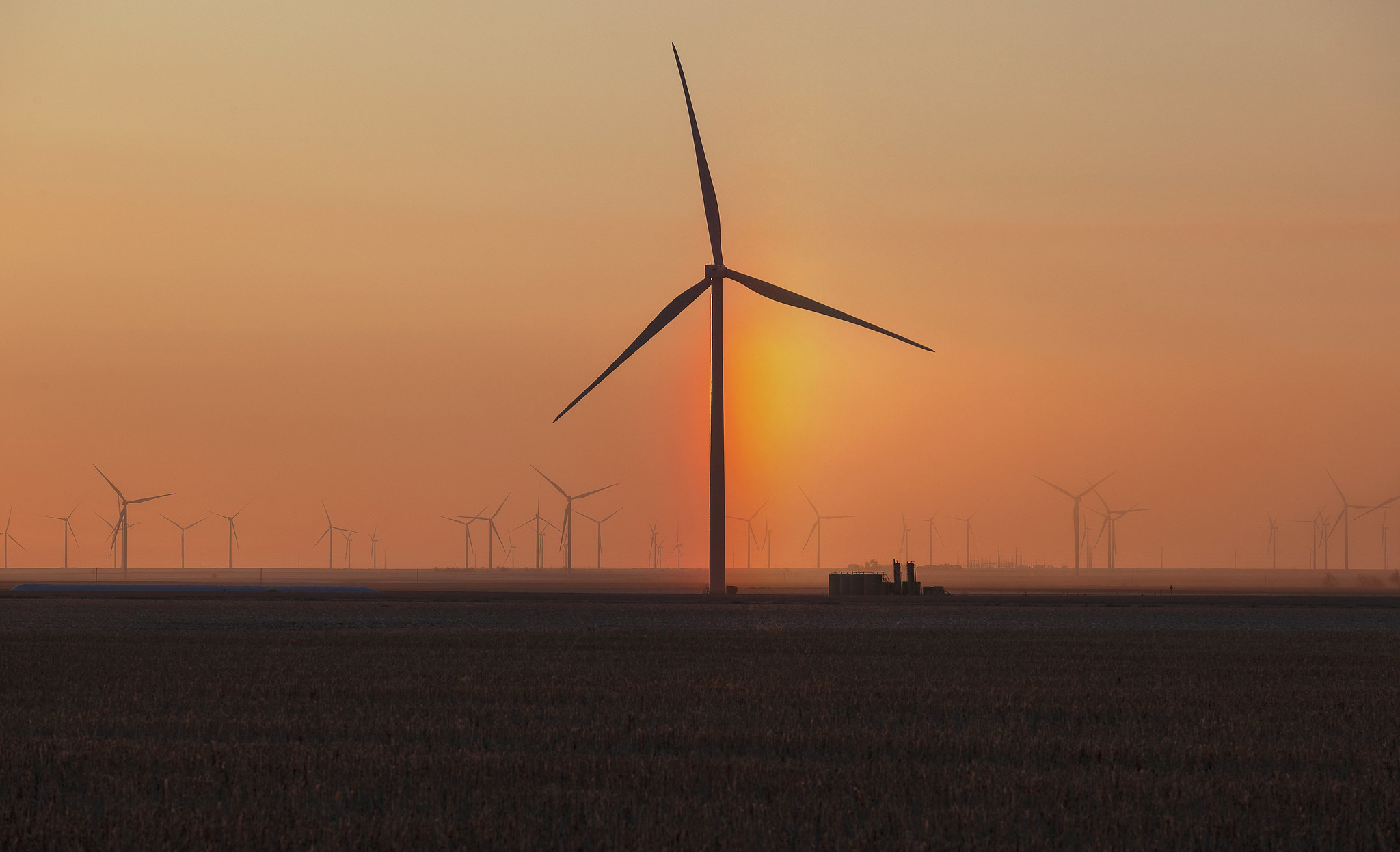
A new report by independent climate and energy think tanks EG3 and EMBER finds wind and solar power made up a record 24% of electricity usage in the European Union since the Russia-Ukraine War began.
The growth of renewables in the 27-state bloc comes as EU nations phase out Russian gas exports after Russia declared its unjust war on Ukraine in March. Prior to the war, many countries in the EU were heavily reliant on these gas imports, however, the clean energy transition is already proving beneficial.
So far, the boost in clean energy has saved the EU 99 billion euros ($97 billion) between March and September, 11 billion euros ($10.8 billion) more than the previous year — something which can be traced to their avoidance of gas imports. The transition to clean energy has also helped many countries evade record-high inflation as the energy crisis makes inflation worse.
Energy crisis increases inflation
Fossil fuels have been the cause of high inflation in Europe since World War II — after the Russia-Ukraine war, this trend has continued.
In the EU, and all over the world, gas prices are still extremely high despite slight decreases over the past few months. The EU, in particular, struggles due to the fact many member countries were dependent on Russian energy prior to the war — Germany previously receiving 55% of their natural gas imports from Russia and Italy 40%.
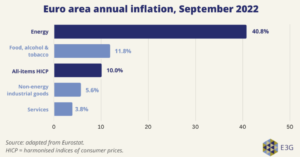
In September 2022, the price of energy increased by 40.8% compared to the previous year, energy causing more inflation than food, alcohol and tobacco. According to the report, energy is contributing to 36% of the EU’s overall inflation.
In an effort to lower inflation and prepare for the winter, the UK, Germany, Austria and other EU member nations handed out fiscal support packages to subsidize energy bills for households and businesses.
In the UK, the typical household will pay no more than 2,500 euros ($2,800) for the next two years.
In total, the UK plan could cost up to 150 billion euros ($172 billion) according to analysts. Likewise, Germany plans on spending 65 billion euros ($65 billion) and Austria will be estimated to spend 4 billion euros ($4 billion). In total, EU nations will spend 500 billion euros ($500 billion) on subsidized bills to prevent more inflation.
Alongside the fiscal support packages, the EU has filled up gas storage containers in another effort to prepare for the winter ahead with limited resources.
Although, the report’s authors believe this need to “save up” gas shows just how it is “even more important now to shift the focus to measures that go beyond the 2022/23 winter” — renewables being the future.
More renewables, less inflation
19 of the EU’s 27 member states achieved record high wind and solar energy power since March, according to the report.
Poland has the biggest year-on-year increase of 48.5%, while Spain reported the biggest increase this year generating 7.4 terawatts hours and saving 1.7 billion euros in natural gas imports.
For years, Scotland has been a leader in the transition to clean energy. From April to June 2022, they produced 7,358-gigawatt hours of renewable energy, an increase of 25% from any second quarter recorded in the country. Impressively, renewable energy makes up 56% of Scotland’s total electricity consumption.
Overall, from March to September 2022, wind and solar energy generated 345 TWh of electricity in the EU — an increase of 13%.
The transition has saved the EU 99 billion euros ($97 billion) largely by avoiding gas imports. However, the switch to renewables showcases another “transition” — the “transition” to renewables being the cheapest energy option.
The EU’s RePowerEU passed in May, confirmed the savings renewables would provide EU citizens and proposed a renewable target of 45% by 2030.
Already, nations seem to be on track to hit these targets, however, the report reminds that fossil fuels still make up 20% of the EU’s electricity — nations still having a lengthy transition to endure.
The success of the EU has implications for other nations across the world, showing that a transition to clean energy is possible — specifically the US where in 2021 only 20.1% of electricity generated came from renewable sources.
The US is slowly making progress with United States President Joe Biden’s latest passing of the Inflation Reduction Act, supposed to significantly increase funding for renewable energy in the country. Although, perhaps if the US was cornered the way EU nations have been, they would’ve sought out a solution faster instead of remaining comfortable with continuing to live on fossil fuel projects that induce climate change.
However, the EU’s latest progress proves there is a way toward both lower costs and lower emissions, and the way is more renewables.
Editor’s Note: The opinions expressed here by Impakter.com columnists are their own, not those of Impakter.com — Featured Photo: Windmills producing wind energy on February 16, 2021. Source: Janusz Sobolewski, Flickr.