This Week’s Regulatory Updates
- Germany bans Amazon price caps: The Bundeskartellamt demands Amazon halt anti-competitive pricing and repay millions, signaling stricter oversight for Big Tech.
- Top consulting firms navigate China sanctions: KPMG, Bain & EY explore workarounds, highlighting risk management challenges under U.S. sanctions and China’s tightening regulations.
- US FDA launches PreCheck for domestic drug manufacturing: Streamlines approvals for U.S. pharma facilities to secure supply chains.
- Big US banks boost lobbying muscle: Wall Street ramps up engagement to influence fintech, crypto, and credit policies.
Germany fines Amazon over price control practices
Germany’s competition authority, the Bundeskartellamt, has prohibited Amazon from imposing price caps on third-party sellers within its German marketplace, citing anti-competitive behavior. This is the first time the regulator has claimed millions of euros from the U.S. e-commerce giant under new powers introduced in 2023. The office initially demanded €59 million ($69.5 million) from Amazon, which has one month to appeal the decision.
“Amazon competes directly with other marketplace retailers on its platform,” said Andreas Mundt, president of the Bundeskartellamt. “Influencing competitors’ pricing, even in the form of caps, is only permissible in exceptional cases, such as price gouging.” The ruling reflects Germany’s increasingly assertive approach toward regulating Big Tech and ensuring fair competition.
Amazon’s German site manager, Rocco Braeuniger, confirmed the company will appeal the decision and continue normal operations, warning that enforcing uncompetitive prices could degrade the shopping experience for consumers. The case mirrors a broader trend, with regulators recently investigating other e-commerce platforms, such as China’s Temu, over potential price manipulation of third-party sellers.
The decision underscores the growing scrutiny of global online marketplaces and highlights the regulatory challenges Big Tech faces in balancing marketplace control with competition laws, particularly in Europe’s increasingly strict antitrust landscape.
***
Further reading: German cartel office bans Amazon from using price controls
FDA launches PreCheck pilot to accelerate domestic drug manufacturing
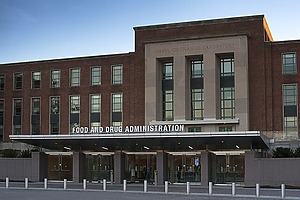
The U.S. Food and Drug Administration (FDA) has begun accepting applications for its PreCheck pilot program, aimed at boosting domestic pharmaceutical manufacturing. The initiative is designed to speed up the construction, review, and approval of new drug manufacturing facilities in the United States, aligning with President Trump’s executive order to shift more drug production onshore.
Facilities selected will be prioritized based on national needs, including the speed of bringing products to the U.S. market, criticality of the medications, and innovations in plant design. The two-phase program offers early communication and feedback with the FDA, covering facility design, construction, pre-production, and quality control processes.
Pre-Check builds on previous FDA initiatives, such as the National Priority Voucher Program, which fast-tracked approval for critical drugs, reducing the review timeline by several months. While the FDA aims to streamline processes, internal documents indicate that some drugs selected for accelerated review have experienced delays due to safety and efficacy concerns, including a patient death linked to one medicine.
The program reflects a broader U.S. push to strengthen domestic drug supply chains, reduce reliance on foreign manufacturers, and ensure timely access to essential medications, especially those deemed critical for public health or national security.
***
Further reading: US FDA launches program to boost domestic drug manufacturing
Klimado – Navigating climate complexity just got easier. Klimado offers a user-friendly platform for tracking local and global environmental shifts, making it an essential tool for climate-aware individuals and organizations.
U.S. Banks ramp up lobbying amid regulatory and crypto policy shifts

Lobbying by major U.S. banks surged 12% in 2025, marking the largest increase since 2011, as financial institutions navigated a complex policy environment under President Trump’s administration. Banks spent $86.8 million lobbying the White House, federal agencies, and lawmakers, according to data from OpenSecrets. The rise reflects heightened regulatory activity, including potential overhauls of capital rules, fintech reforms, and emerging digital asset legislation.
Amid this environment, banks are also facing increased competition from the cryptocurrency sector, whose lobbying spend grew 66% in 2025 to $40.6 million. Stablecoin legislation and other measures providing regulatory clarity for crypto companies have created pressure for traditional banks to protect their market position.
Industry experts note that banks’ spending focuses on safeguarding themselves from policy surprises, including populist proposals on credit card interest caps and consumer finance regulations. Top Wall Street firms, including Bank of America, JPMorgan, and Morgan Stanley, hired lobbyists with strong White House connections to ensure influence over upcoming rules.
The lobbying surge underscores how financial institutions actively respond to policy uncertainty and emerging competition, balancing strategic advocacy with compliance risks. It also highlights the growing role of political influence in shaping U.S. financial and digital asset regulations, as banks seek to maintain stability amid rapid regulatory and market changes.
***
Further reading: Big US banks boost Washington lobbying muscle as policy fights heat up

Global consultancies navigate sanctions and China restrictions
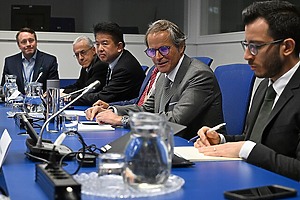
Global consulting firms are navigating a complex regulatory landscape in China and Russia, testing the limits of Western sanctions and Beijing’s rules on foreign involvement in sensitive sectors. Reports indicate that KPMG China assisted Russia’s state-owned Sberbank with licensing, tax filings, IT assessments, and government inspections, while Bain & Co pitched a market-analysis project for the same bank. EY staff also used a local intermediary to pitch a strategy project for China’s state-owned Chongqing Rural Commercial Bank.
These engagements illustrate the legal and reputational risks facing consultancies. U.S. sanctions bar entities from providing goods, services, or technology to sanctioned Russian firms, with secondary sanctions extending liability to non-U.S. entities. Even indirect involvement can carry significant penalties, including civil fines and potential criminal charges.
At the same time, Beijing has tightened foreign participation rules, including the 2025 Network Data Security Management Regulations that limit cross-border transfers of sensitive data. These regulations, combined with geopolitical tensions, are shrinking opportunities for foreign consultancies in China, pushing them to use intermediaries or other workarounds to maintain business.
Meanwhile, Asia-Pacific is showing regulatory leadership. Hong Kong recently unveiled a green and climate finance taxonomy, adding climate adaptation objectives, signaling the region’s willingness to lead on sustainable finance and influence global regulatory expectations.
***
Further Reading: Top consulting firms test boundaries with China workarounds
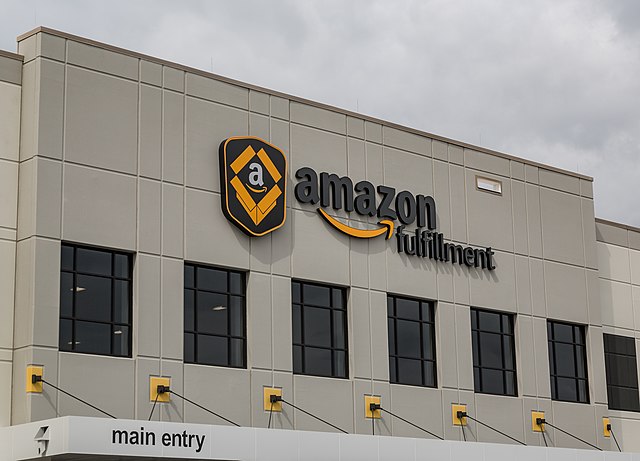
Editor’s Note: The opinions expressed here by the authors are their own, not those of impakter.com — In the Cover Photo: Amazon headquarters in Germany. Cover Photo Credit: Wikimedia Commons