Today’s ESG Updates
- Trump Backs Sanctions on Russian Oil Buyers: A bipartisan U.S. bill would impose tariffs of up to 500% on countries like China and India that continue importing Russian oil to cut funding for Moscow’s war in Ukraine.
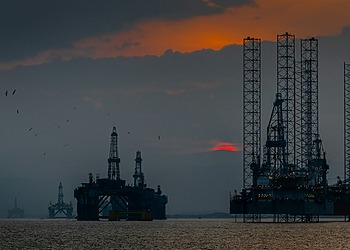
- Norway’s Oil and Gas Output Set to Decline: Production is expected to fall from 4.1 million boed in 2026 to about 3.5 million by 2030 as investment drops and major projects wind down.
- Dog Food Linked to UK Emissions: A study finds dog food accounts for around 1% of the UK’s greenhouse gas emissions, with meat-rich and wet foods far more polluting than dry kibble.
- Trump Climate Treaty Exit Faces Legal Scrutiny: Legal experts question whether Trump can withdraw from the UN climate treaty without Congress, with the exit taking effect after one year and re-entry rules unclear.
New U.S. bill aims at Russian oil buyers
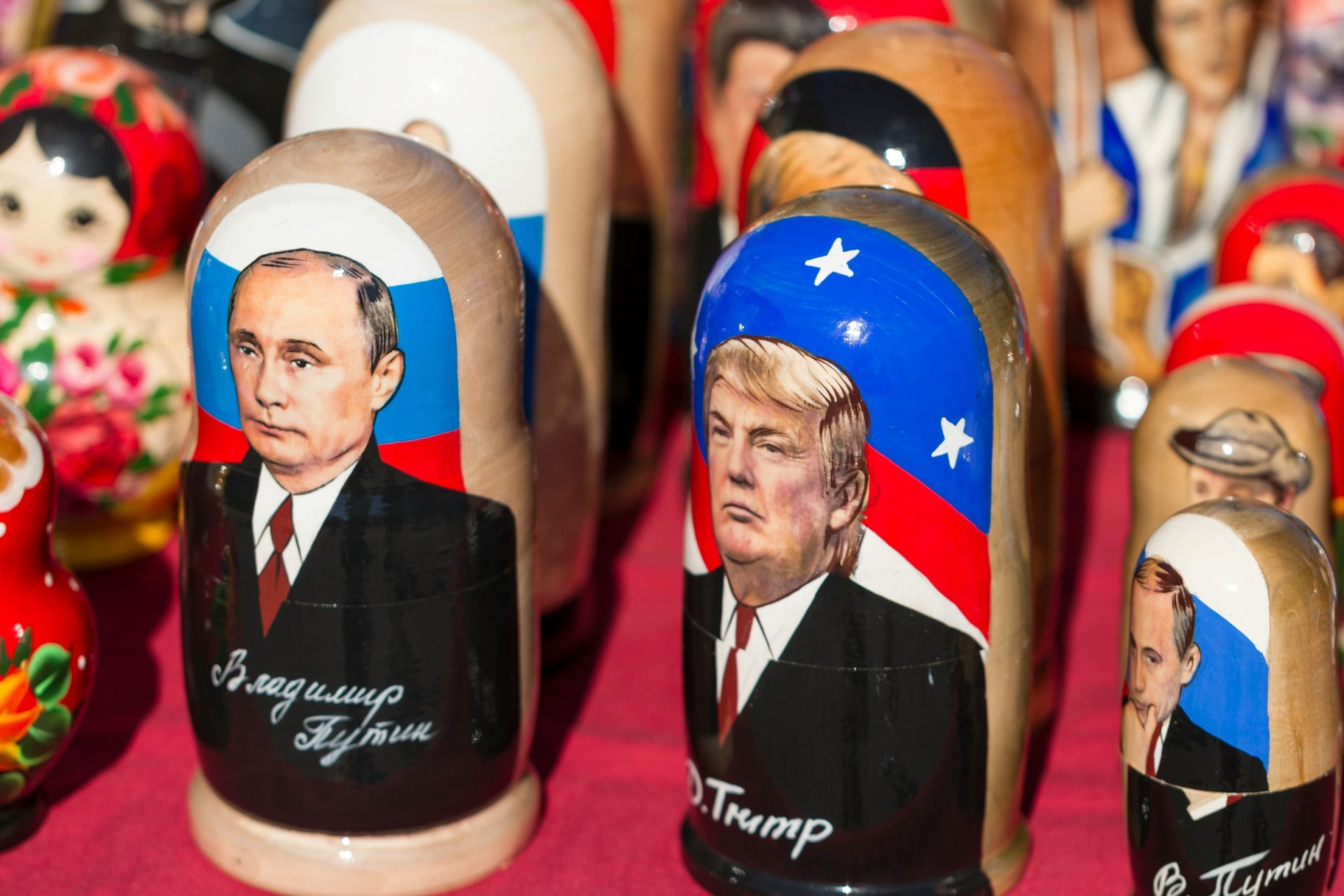
According to U.S. Senator Lindsey Graham, Donald Trump has “greenlit” the bipartisan bill that aims to sanction countries that buy Russian oil and energy. This bill would allow the U.S. to impose very high tariffs of up to 500 percent on countries that continue to import Russian oil, including China and India. According to the Centre for Research on Energy and Clean Air, China bought nearly half of Russia’s crude oil in November, while India took about 38% of exports. Supporters say the aim is to cut off money that helps fund Russia’s war in Ukraine, even as Washington is trying to broker peace negotiations.
***
Further reading: Trump backs bill to sanction China, India over Russian oil, US senator says
Norway’s oil and gas output set to decline by 2030
Norway’s oil and gas production is expected to fall to roughly 3.5 million barrels of oil equivalent per day (boed) by 2030, down from 4.1 million boed in 2026. Investments in the oil and gas sector are decreasing, and total spending is expected to fall by 6.6% in 2026 and then continue to decline through 2030. According to the Norwegian Offshore Directorate (NOD), Norway invested heavily in large oil and gas developments in recent years, and those projects are now almost finished; new projects are smaller, which is expected to contribute to a drop in production.
***
Further reading: Norway’s oil and gas output will fall towards 2030, regulator says
Klimado – Navigating climate complexity just got easier. Klimado offers a user-friendly platform for tracking local and global environmental shifts, making it an essential tool for climate-aware individuals and organizations.
Dog food responsible for 1% of UK Emissions
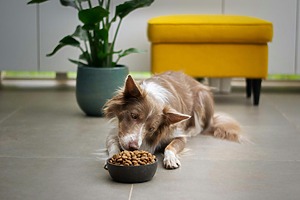
A new study has found that dog food accounts for about 1% of the UK’s total greenhouse gas emissions. The environmental impact varies widely depending on the type of food, with wet, raw, and meat-rich dog foods producing far more emissions than dry kibble. Foods made with prime cuts of meat, which people can consume, are especially harmful to the climate. In contrast, dry dog food and low-demand nutritious carcass parts have a much lower carbon footprint. Researchers say clearer labelling and more sustainable choices by pet owners could help reduce the environmental impact of feeding dogs.
***
Further reading: Dog food accounts for 1% of UK greenhouse gas emissions, study finds

Legal questions arise over Trump’s UN climate treaty exit
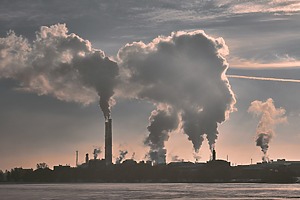
Legal experts are questioning the legality of Donald Trump’s decision to withdraw from the U.N. Framework Convention on Climate Change (UNFCCC), because the Senate approved the treaty. According to some experts, the move might be unconstitutional, as it should require the approval of Congress to exit. If the withdrawal goes ahead, it takes effect a year after the announcement. There’s a debate over how easy it would be for the U.S. government to re-enter the agreement. Some experts say it would be easy because of the original Senate approval, while others say it would require the same Senate process again.
***
Further reading: Trump withdrawal from bedrock UN climate treaty raises legal questions
Editor’s Note: The opinions expressed here by the authors are their own, not those of impakter.com — Cover Photo Credit: Jørgen Håland