Today’s ESG Updates
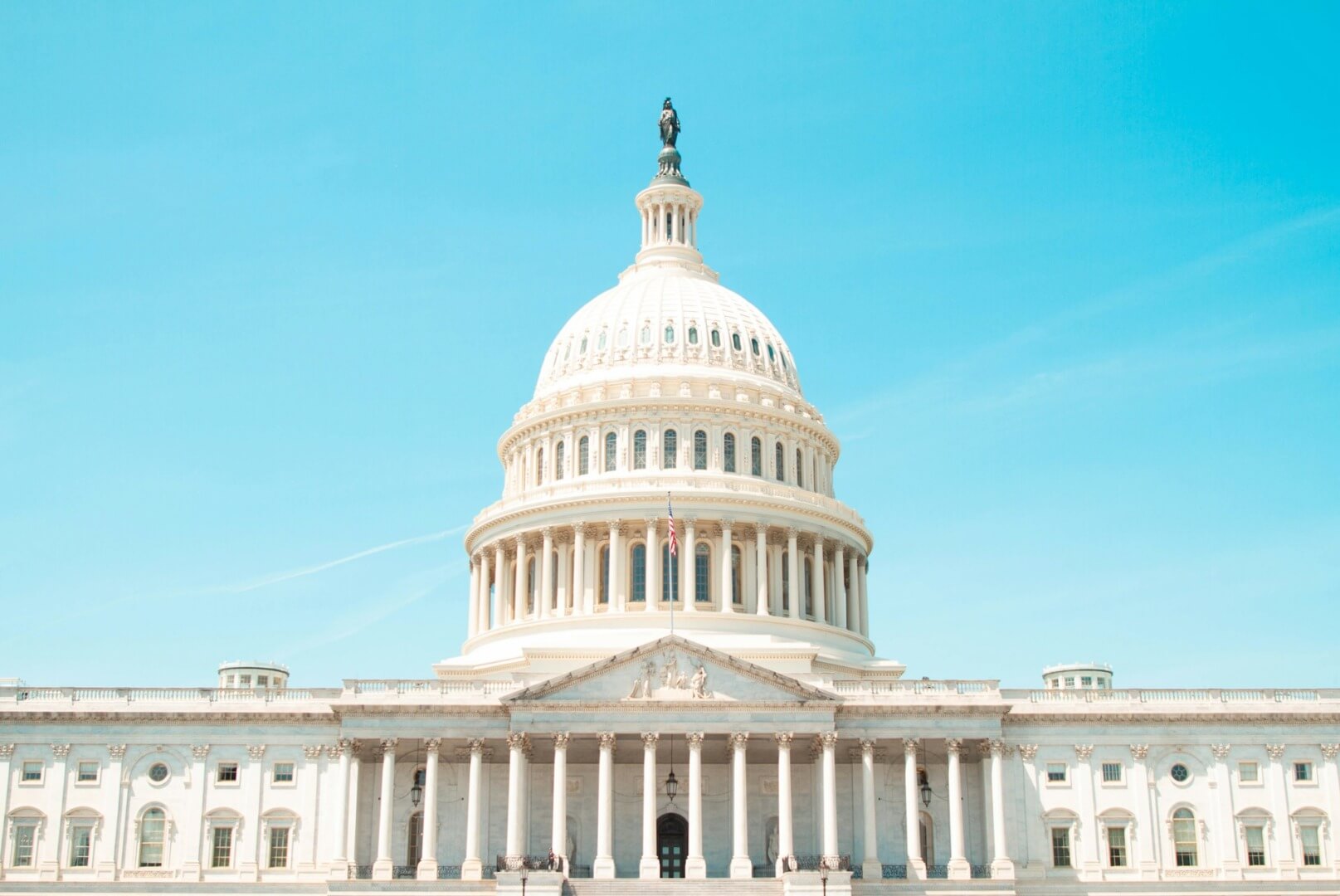
- U.S. Government Shutdown Threatens Climate Programs: The shutdown has paused environmental regulations and research, and halted the issuance of new flood insurance policies.
- EU Parliament Fails to Agree on Sustainability Omnibus: Lawmakers remain divided on corporate sustainability rules, with negotiations stalled ahead of the October 13 vote.
- Crypto Miners Target Brazil’s Renewable Surplus: Companies like Tether and Enegix are launching major cryptocurrency mining projects in Brazil, capitalizing on the country’s excess clean energy.
- EU to Halve Steel Import Quotas and Raise Tariffs: In an effort to protect the European steel industry, the EU seeks to reduce foreign steel quotas by nearly 50% and implement steep tariffs.
U.S. government shutdown could affect key climate programs
With the current shutdown of the U.S. government, key climate and environmental programs have been halted. The Environmental Protection Agency is the most severely affected, with nearly 90% of its staff being furloughed. This means regulatory work, research, and public updates have been paused indefinitely. Another affected agency is the National Flood Insurance Program (NFIP). NFIP, which insures 4.7 million properties, cannot issue new policies or renewals, threatening real estate transactions and leaving homeowners vulnerable. Due to public safety needs, the National Oceanic and Atmospheric Administration will continue forecasting, but all nonessential research has been suspended. While no agencies have expressed plans for layoffs, President Trump has threatened mass firings.
This politicization of essential environmental services and threats of layoffs is damaging to regulatory stability, public trust, and long-term climate resilience in the United States and beyond. Stalling critical climate research and regulation could have serious repercussions in a time of increased climate risk.
***
Further reading: US Government Shutdown Curtails Key Weather and Climate Programs
Omnibus agreement fails in European Parliament ahead of mid-October vote

The intended last round of discussions for the sustainability Omnibus took place on Tuesday. After tense negotiations, members of the European Parliament failed to reach an agreement. The primary issues under discussion include liability under the Corporate Sustainability Due Diligence Directive (CSDDD), corporate regulations, and climate transition plans. Jörgen Warborn, Swedish member of the centre-right European People’s Party (EPP) and lead negotiator, presented two packages. The first would raise the scope of the Corporate Sustainability Reporting Directive (CSRD) and eliminate obligatory climate transition plans. This package has received the backing of the far-right. In the second package, the scope of CSRD would remain for companies with 1,000 employees, but compulsory implementation of CSDDD transition plans would be discarded. Warborn said that his goal “has always been to simplify and cut cost for businesses.” The vote is set to take place on Tuesday, 13 October, provided that Parliament’s position is filed by 8 October.
***
Further reading: Lawmakers fail to reach agreement on sustainability Omnibus as key vote looms
Klimado – Navigating climate complexity just got easier. Klimado offers a user-friendly platform for tracking local and global environmental shifts, making it an essential tool for climate-aware individuals and organizations.
Renewable energy surplus attracts cryptocurrency miners to Brazil
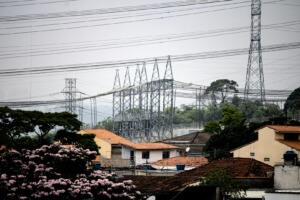
With the country’s surplus in renewable power, cryptocurrency mining companies are looking to Brazil to begin mining projects. For a crypto transaction to be processed, complex mathematical problems must be solved on mining machines that have been known to overload grids worldwide. With minimal crypto mining and a surplus of energy, Brazil is an ideal location for crypto miners to focus their efforts. Cryptocurrency companies like Tether and Enegix are negotiating deals with Renova Energia and other Brazilian energy companies. Renova informed Reuters that it is launching a $200 million, 100 megawatt (MW) wind-powered mining operation in the northeast of Brazil. Despite these opportunities, challenges remain, including water scarcity, regulatory gaps, and inadequate infrastructure. Companies that wish to make smart and sustainable investment decisions should consider ESG solutions for guidance.
***
Further reading: Clean energy glut draws cryptocurrency miners to Brazil

European Union to raise tariffs and cut quotas on steel
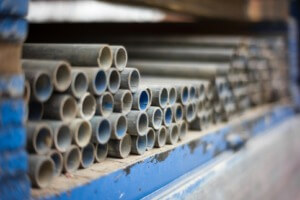
According to industry chief Stéphane Séjourné, the EU plans to decrease foreign steel import quotas by nearly 50% and significantly raise tariffs. These measures aim to protect the struggling steel industry by countering subsidized steel from Asia and North Africa. The U.S. and Canada have also begun similar measures, charging 50% tariffs on imported steel. The steel industry has requested 50% tariffs on any imports above the proposed quotas. The European Parliament and EU Member States must approve the plan. Séjourné urged industry workers and unions to back the proposal as he expects opposition from minority interests. Corporations can use ESG solutions to navigate the ever-changing landscape of regulations.
***
Further reading: EU to slash steel import quotas by almost half
Editor’s Note: The opinions expressed here by the authors are their own, not those of impakter.com — In the Cover Photo: United States Capitol Building Cover Photo Credit: Caleb Perez