Today’s ESG Updates
- US May Lift Venezuela Sanctions to Boost Oil & IMF Aid: US could ease sanctions to support Venezuela’s economy and oil sales.
- Egypt Signs $1.8B Renewable Energy Deals: Egypt secures solar and storage projects to hit 42% renewables by 2030.
- G7 Urged to Cut Dependence on China for Critical Minerals: US pushes allies to reduce reliance on China’s mineral supply.
- Richest 1% Use Annual Carbon Budget in 10 Days: Oxfam warns extreme wealth drives disproportionate emissions.
U.S. may lift more sanctions on Venezuela to support oil sales and economy
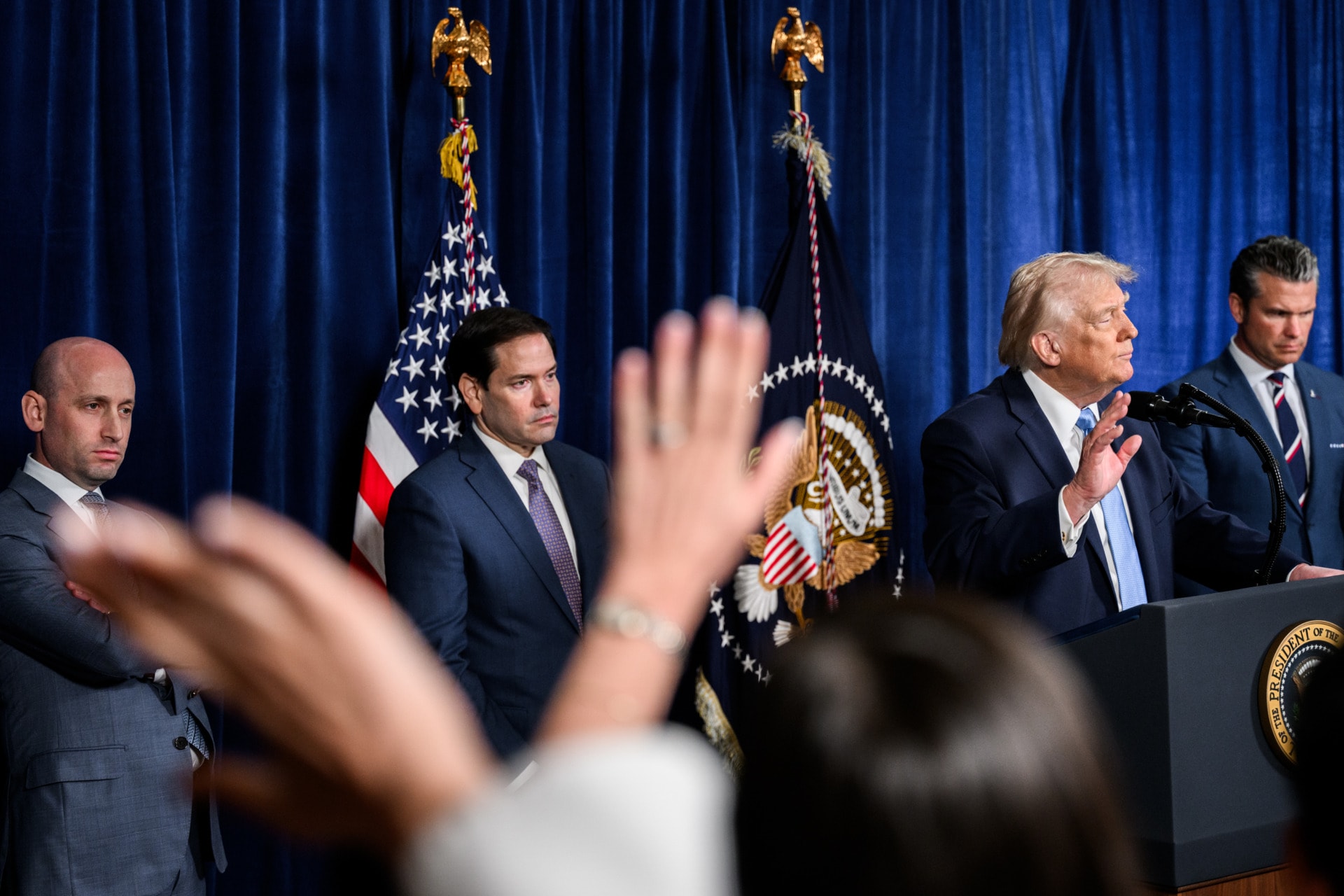
According to the U.S. Treasury Secretary Scott Bessent, the United States could lift more sanctions on Venezuela as soon as next week to help the country sell oil and support its economy. He said nearly $5 billion in Venezuela’s frozen IMF Special Drawing Rights (SDRs) could be used to help rebuild the economy. He plans to meet next week with the heads of the International Monetary Fund and the World Bank to discuss re-engaging both institutions with Venezuela. The move is part of the Trump administration’s effort to stabilize Venezuela and encourage U.S. oil companies to return to the country.
***
Further reading: Exclusive: U.S may lift more Venezuela sanctions next week, Bessent says
Egypt secures $1.8 billion renewable energy deals

Egypt has signed renewable energy deals worth a total of $1.8 billion. The agreements include contracts with Norwegian developer Scatec and China’s Sungrow, and Egypt’s target is to have 42% of its electricity generation come from renewable sources by 2030. One of the projects concerns building a solar plant and energy storage stations in Upper Egypt’s Minya region; the second project involves building a Sungrow factory to make energy storage batteries at the Suez Canal Economic Zone. According to Scatec, the deals also include power purchase agreements covering 1.95 gigawatts of renewable energy capacity and 3.9 gigawatt hours of battery storage.
***
Further reading: Egypt signs renewable energy deals worth $1.8 billion
Klimado – Navigating climate complexity just got easier. Klimado offers a user-friendly platform for tracking local and global environmental shifts, making it an essential tool for climate-aware individuals and organizations.
U.S. pushes G7 allies to reduce reliance on China for critical minerals
According to the U.S. Treasury Secretary Scott Bessent, there’s an urgent need for the Group of Seven (G7) countries and other allies to reduce their reliance on China for rare earth minerals. Bessent will host a meeting of top finance officials from the G7, the EU, Australia, India, South Korea, and Mexico to push for quicker action. The countries attending the meeting represent 60% of global demand for critical minerals.
China dominates the critical minerals supply chain, refining between 47% and 87% of copper, lithium, cobalt, graphite, and rare earths. The U.S. signed an agreement with Australia that is worth $8.5 billion, looking for a way to counter China’s dominance in critical minerals.
***
Further reading: US to push for quicker action in reducing reliance on China for rare earths

Richest 1% exceed annual carbon share in just 10 days

According to a new analysis by Oxfam, the world’s richest 1% of people have already used up their fair share of global carbon emissions for 2026 just 10 days into the year, while the richest 0.1% exhausted their entire annual carbon budget in just three days. Lower- and middle-income countries face the greatest risk from these emissions, with the resulting global economic damage potentially reaching £44 trillion by 2050. To stay within the Paris Agreement’s 1.5°C limit, the richest 1% would need to cut emissions by about 97% by 2030. According to a climate justice adviser at Oxfam GB, Beth John, there should be higher taxes on climate-polluting extreme wealth to fund climate action.
***
Further reading: World’s richest 1% have already used fair share of emissions for 2026, says Oxfam
Editor’s Note: The opinions expressed here by the authors are their own, not those of impakter.com — Cover Photo Credit: Matthias Mullie