Impakter
  • Environment
    • Biodiversity
    • Climate Change
    • Circular Economy
    • Energy
  • FINANCE
    • ESG News
    • Sustainable Finance
    • Business
  • TECH
    • Start-up
    • AI & Machine Learning
    • Green Tech
  • Industry News
    • Entertainment
    • Food and Agriculture
    • Health
    • Politics & Foreign Affairs
    • Philanthropy
    • Science
    • Sport
  • Editorial Series
    • SDGs Series
    • Shape Your Future
    • Sustainable Cities
      • Copenhagen
      • San Francisco
      • Seattle
      • Sydney
  • About us
    • Company
    • Team
    • Global Leaders
    • Partners
    • Write for Impakter
    • Contact Us
    • Privacy Policy
No Result
View All Result
Impakter logo
No Result
View All Result
ESG news regarding global hotspots facing starvation, EIB’s Bay of Biscay interconnectivity project with Spain, Morocco expanding water infrastructure, US-China relations hindering battery manufacturing

From the Middle East to Africa, to Myanmar and Haiti, thirteen areas around the world are at risk of extreme hunger.

Thirteen Countries Face Starvation, UN Warns

The United Nations has named 13 global “hunger hotspots” on the brink of starvation, urging people to act now.

Sarah PerrasbySarah Perras
June 17, 2025
in Business, ESG FINANCE, ESG News, Sustainable Finance
0

Today’s ESG Updates

  • Starvation risk escalates in 13 global hotspots: A UN report warns of urgent humanitarian crises, urging immediate aid to prevent famine.
  • EIB allocates €1.6B for Bay of Biscay power link: The European Investment Bank is funding a key electricity interconnection between Spain and France.
  • Morocco ramps up desalination and dam projects: Facing prolonged drought, Morocco is expanding its freshwater infrastructure.
  • U.S.-China tensions disrupt battery production: Escalating trade restrictions are stalling American battery projects, exposing the fragility of U.S. supply chains.
Featured ESG Tool of the Week:
Klimado – Navigating climate complexity just got easier. Klimado offers a user-friendly platform for tracking local and global environmental shifts, making it an essential tool for climate-aware individuals and organizations.

Starvation looms in 13 “hunger hotspots” worldwide

The United Nations released a report Monday highlighting the urgent need for aid in 13 areas across the globe. According to the report, Palestine, Sudan, South Sudan, Mali, and Haiti were the top five states facing immediate starvation. In Sudan, 25 million people are at risk, as famine was confirmed last year. The report, created by the UN’s Food and Agriculture Organization (FAO) and World Food Programme (WFP), calls for investors to secure much-needed humanitarian aid for these states. Cindy McCain, the WFP’s Executive Director, said, “Without funding and access, we cannot save lives.” While funding is crucial, the root causes of this hunger are climate hazards and conflict. This report calls for immediate intervention, urging companies to reassess their strategies regarding climate resilience and social equity. 

📊 Insight: The 13 “hotspots” facing extreme hunger are red alerts for ESG-focused investors, policymakers, and corporations. ESG is not simply about green investments; it is also about humanity and a better world. The social impacts of global food insecurity and political instability in these hotspots are paramount ESG considerations, as companies must consider their impact on the world. 

***

Further reading: UN warns of starvation in ‘hunger hotspots’


EIB allocates €1.6 billion to Bay of Biscay interconnectivity project

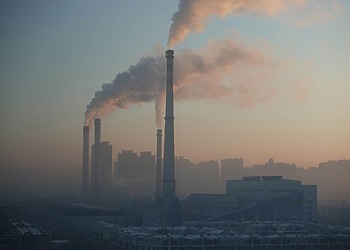
The Bay of Biscay project will increase capacity between Spain and France from 2,800MW to 5,000MW. Photo Credit:  Free Nomad

In an effort to connect the Iberian Peninsula with mainland Europe, the European Investment Bank (EIB) is allocating €1.6 billion for the Bay of Biscay electricity interconnection project. This project will be crucial for enhancing Spain’s connectivity with France and the rest of the EU. Nadia Calviño, president of the EIB Group, said, “EIB support for the France-Spain electricity interconnection will be key to ensuring that the Iberian Peninsula is no longer an energy island.” Construction has already begun on the project, which is expected to become operational in 2028. The new Bay of Biscay link is estimated to cut 600,000 tonnes of carbon emissions annually, while increasing France and Spain’s electricity exchange capacity to 5,000 megawatts (MW). 

📊 Insight: Doubling the electricity exchange capabilities between these two countries is crucial, particularly in light of the recent blackout. The Bay of Biscay interconnection strengthens Europe’s clean energy transition, enhancing energy security, affordability, and decarbonization.

***
Further reading: EIB supports with €1.6 bn the strategic Bay of Biscay electricity interconnection between Spain and France


Morocco to accelerate desalination plants and dam projects
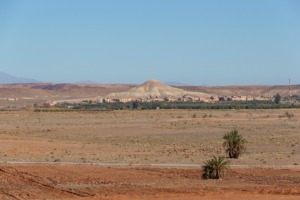
While drought persists throughout the country, Morocco’s demand for freshwater continues to increase. Photo Credit: Maria Krasnova

To meet rising freshwater demands, Morocco is investing in desalination and waterway systems. The country has faced years of drought, which has impacted not only the food supply but also employment and cattle populations. A waterway, backed by funding from the UAE, is expected to be extended by 2030. The expansion aims to fill in dams along the waterway’s current route from the northwest to Rabat and Casablanca and beyond, aiding farmers in the dry regions of Doukala and Tadla. Currently, Morocco has 17 operational desalination plants. The country plans to increase its capacity to 1.7 billion cubic meters of fresh water annually by 2030, with four plants currently under construction and an additional nine planned. The water minister plans to incorporate renewable energy into the projects, lowering the cost of water nationwide.

📊 Insight: Morocco is embedding ESG strategies into national infrastructure policy. Through sustainable agriculture, inclusive water use, and renewable energy, the developing economy is tackling environmental risks while aligning with global sustainability goals.

***

Further reading: Morocco invests in desalination, waterways to mitigate drought


U.S.-China relations slow battery manufacturing
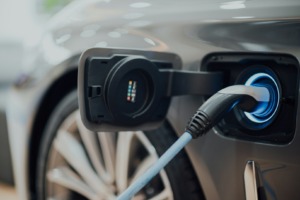
While the Trump administration wants to cut ties with China, experts warn that the consequences could be dire. Photo Credit: Chuttersnap

As China’s access to American markets is quickly being restricted by Republican lawmakers, rechargeable battery manufacturing has come to a halt in the United States. With the Trump administration seeking to impose steep tariffs and withhold tax credits from corporations affiliated with China, projects have been delayed and canceled. Companies like AESC and Group14 Technologies are withdrawing investments, while Ford’s $3 billion battery factory is at risk. Trump and his advisors are advocating for more manufacturing and mining of critical materials within the United States. However, experts warn that severing all ties with China could cripple U.S. manufacturing efforts, as China has a significant market advantage in battery components. The slowdown in the electric vehicle market further compounds the issue.

📊 Insight: Rising political and trade tensions with China are threatening the U.S. battery manufacturing boom, creating uncertainty for clean energy supply chains and potentially derailing climate transition goals. Efforts to build a domestic battery industry are now clashing with national security-driven restrictions, highlighting the complex interplay of ESG strategies.

***

Further reading: Trump’s Trade and Tax Policies Start to Stall U.S. Battery Boom


Editor’s Note: The opinions expressed here by the authors are their own, not those of impakter.com — Cover Photo Credit:  Emad El Byed
Tags: chinaESGEUEuropean UnionRenewable energySDGssustainable development goalsTrumpUNUnited NationsUnited States
Previous Post

EU Delays Proposals to Limit Reliance on Russian Nuclear Fuel

Next Post

EU to Cut Ties With Russian Oil and Gas by 2027

Related Posts

The Era of ‘Global Water Bankruptcy’ Has Begun
Climate Change

The Era of ‘Global Water Bankruptcy’ Has Begun

Humanity’s long-term water usage and damage have exceeded nature's renewal and safe limits, a situation scientists and the media have...

byNmesoma Ezetu
January 30, 2026
ESG news regarding: New Report Urges Urgent Action to Halt PFAS Contamination Across EU, US Proposes New Rule to Force Greater Transparency in Pharmacy Benefit Manager Fees, EU and Brazil Seal Landmark Deal Creating World’s Largest Free Data Flow Zone, Beijing Suspends Import and Use of Sun Pharma Alzheimer’s Treatment
ESG News

Without Regulation, ‘Forever Chemicals’ Will Cost Europe €440 billion by Mid Century

Today’s ESG Updates Europe Faces Trillion-Euro Risk Without Swift PFAS Controls: The European Commission confirmed it will accelerate work on...

byPuja Doshi
January 30, 2026
ESG News on India lithium and nickel processing incentives and EV battery supply chains
Business

India Plans Incentives for Lithium and Nickel Processing

Today’s ESG Updates India Boosts Lithium & Nickel Processing: India plans incentives for lithium and nickel processing plants to strengthen...

byJana Deghidy
January 29, 2026
ESG News regarding a powerful snowstorm leaving more than 400,000 U.S. customers without power, the Doomsday Clock being set to 85 seconds to midnight, Kazakhstan losing more than 40 million barrels of crude exports, and many Europeans brands labelling their plastic as recycled when it comes from fossil fuels.
Business

Massive Snowstorm Leaves Hundreds of Thousands Without Power Across U.S.

Today’s ESG Updates Winter Storm Cuts Power to Over 400,000: A severe storm hit much of the U.S., causing over...

byAnastasiia Barmotina
January 28, 2026
A New ‘Golden Age’ for Global Chaos
Politics & Foreign Affairs

A New ‘Golden Age’ for Global Chaos

One year since the inauguration of his second administration on 20 January 2025, when he promised to usher in a...

byCarlos Frederico Pereira da Silva Gama - Author & Assistant Professor at the Shiv Nadar Institution of Eminence
January 28, 2026
ESG News regarding US withdrawal from the Paris Agreement, China and India emissions decline offset US emissions growth, Michigan suing oil giants, and Nigeria’s new 100mw solar power facility
Business

US Officially Cuts Ties With the Paris Agreement

Today’s ESG Updates U.S. Officially Exits Paris Climate Agreement, Again: The U.S. formally withdrew from the Paris Agreement for a...

bySarah Perras
January 28, 2026
ESG news regarding Deal Slashes Tariffs, Opens Markets Worth Two Billion Consumers, Arrivals Fall as Spain Pushes “Humane” Migration Model, Common Sense Media Calls Grok “Among the Worst We’ve Seen”, Gulf States Seek Distance From Potential Escalation
ESG News

Opportunities for India, Compliance Test for Manufacturers

Today’s ESG Updates India and the EU Announce Landmark Free Trade Agreement: After nearly 20 years of negotiations, a new...

byPuja Doshi
January 27, 2026
renewables
Energy

Why the World Is Switching to Renewables Faster Than Anyone Expected

How do you explain the boom in solar energy we’re seeing today? Renewables are scaling fast because it’s become affordable...

byInternational Institute for Sustainable Development (IISD)
January 27, 2026
Next Post
ESG news regarding EU to cut Russian oil and gas by 2027, social media tops TV for US news, Basel sets voluntary climate risk rules for banks, SBTi drafts net-zero rules for automotive sector

EU to Cut Ties With Russian Oil and Gas by 2027

Recent News

The Era of ‘Global Water Bankruptcy’ Has Begun

The Era of ‘Global Water Bankruptcy’ Has Begun

January 30, 2026
ESG news regarding: New Report Urges Urgent Action to Halt PFAS Contamination Across EU, US Proposes New Rule to Force Greater Transparency in Pharmacy Benefit Manager Fees, EU and Brazil Seal Landmark Deal Creating World’s Largest Free Data Flow Zone, Beijing Suspends Import and Use of Sun Pharma Alzheimer’s Treatment

Without Regulation, ‘Forever Chemicals’ Will Cost Europe €440 billion by Mid Century

January 30, 2026
Food Waste in India

India’s Food Waste Is Turning Into an Environmental Time Bomb

January 30, 2026
  • ESG News
  • Sustainable Finance
  • Business

© 2025 Impakter.com owned by Klimado GmbH

No Result
View All Result
  • Environment
    • Biodiversity
    • Climate Change
    • Circular Economy
    • Energy
  • FINANCE
    • ESG News
    • Sustainable Finance
    • Business
  • TECH
    • Start-up
    • AI & Machine Learning
    • Green Tech
  • Industry News
    • Entertainment
    • Food and Agriculture
    • Health
    • Politics & Foreign Affairs
    • Philanthropy
    • Science
    • Sport
  • Editorial Series
    • SDGs Series
    • Shape Your Future
    • Sustainable Cities
      • Copenhagen
      • San Francisco
      • Seattle
      • Sydney
  • About us
    • Company
    • Team
    • Global Leaders
    • Partners
    • Write for Impakter
    • Contact Us
    • Privacy Policy

© 2025 Impakter.com owned by Klimado GmbH