Today’s ESG Updates
- UK Ditches Green Taxonomy Plan: Citing complexity and limited impact, the UK government has abandoned its taxonomy framework, shifting its focus to corporate transition plans and sustainability reporting.
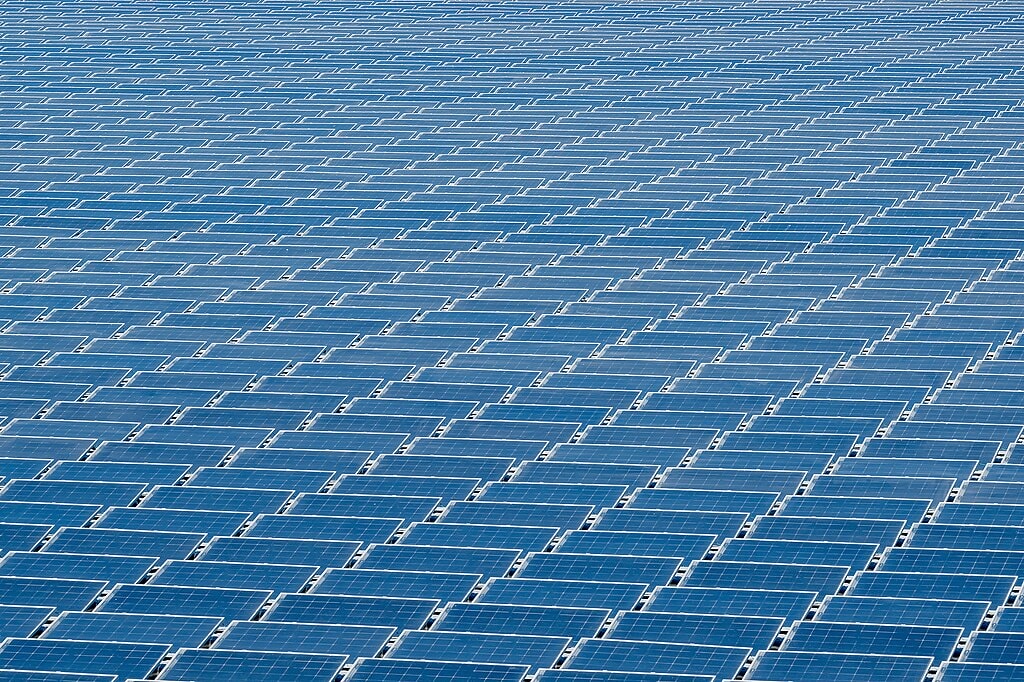
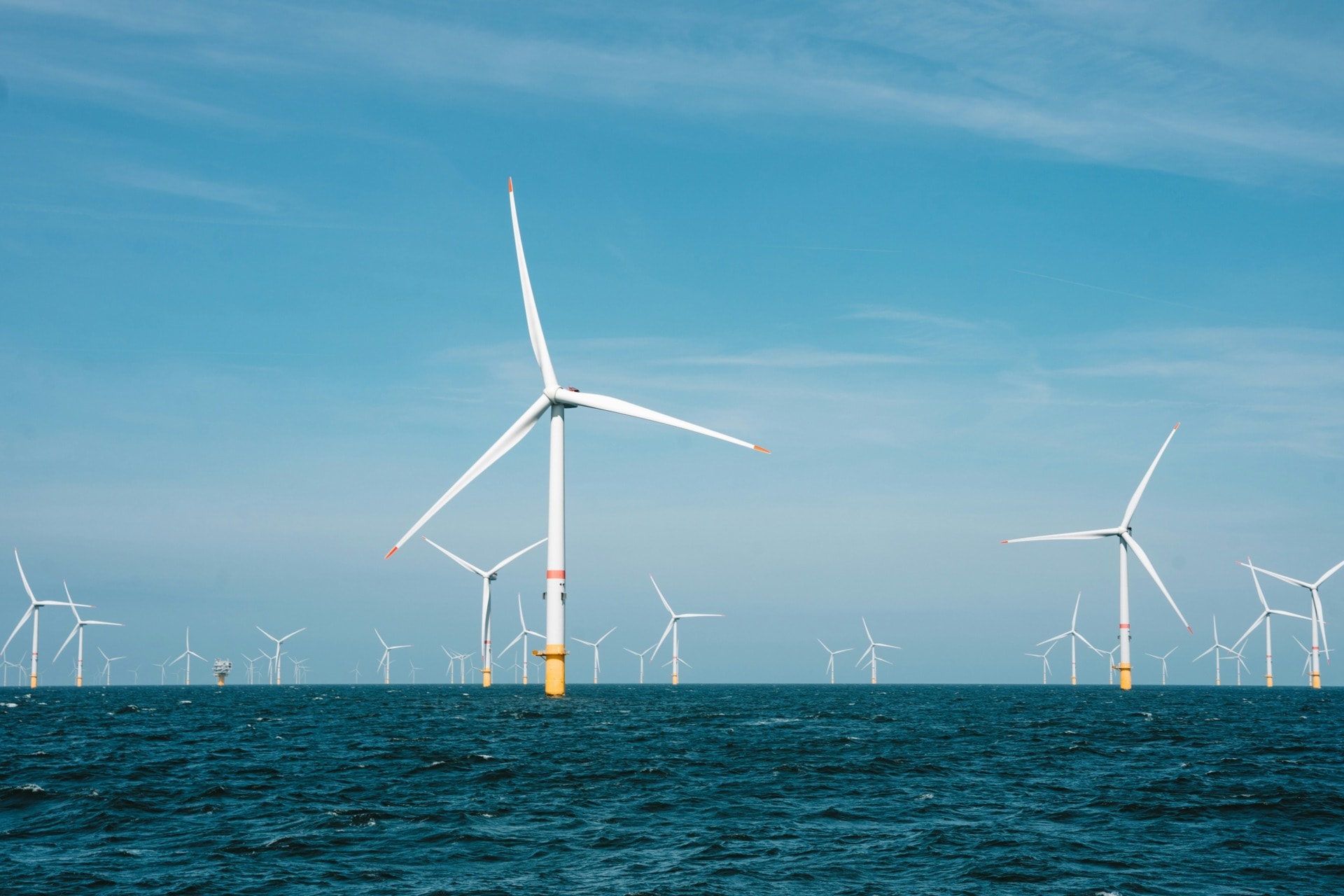
- Eskom Targets 2040 for Clean Energy Shift: South Africa’s Eskom plans to reduce its coal capacity by over 50% and increase its renewable energy capacity to 32 GW by 2040.
- EU Sees Fish Stock Recovery, Eyes 2026 Roadmap: Improved sustainability boosts North-East Atlantic fish populations, while the EU seeks input for a 2026 energy transition plan for fisheries.
- China Accelerates AI Race with State-Backed Push: China ramps up AI development through research funding and further state support, intensifying competition with the United States.
Klimado – Navigating climate complexity just got easier. Klimado offers a user-friendly platform for tracking local and global environmental shifts, making it an essential tool for climate-aware individuals and organizations.
Sustainability reporting replaces taxonomy in UK’s green policy framework
In a consultation report published on Tuesday, the British government announced plans to abandon the green taxonomy framework, first presented in 2020. Taxonomy plans have faced pushback globally for their complexity and inability to prevent greenwashing. The consultation results showed that 55% of respondents, mainly from financial institutions, had negative or mixed feelings about the taxonomy plan. Emma Reynolds, Economic Secretary to the Treasury and City Minister, said, “The consultation responses showed that other policies were of higher priority to accelerate investment into the transition to net zero and limit greenwashing.” Government officials in the UK hope to shift their focus to corporate transition plans and sustainability reporting standards. Ensure your company meets sustainability reporting standards by implementing ESG solutions.
***
Further reading: UK Abandons Green Taxonomy Plan to Focus on Other Policies
South Africa’s Eskom to oust coal-fired plants in favor of renewable energy sources

Eskom, South Africa’s largest supplier of electricity, announced plans to shift to predominantly renewable energy sources by 2040. Currently, the energy company produces 39 gigawatts (GW) using coal-based facilities. The company aims to reduce this to 18 GW while increasing clean energy capacity to 32 GW. The current capacity for renewable energy sits at less than 1 GW. Eskom seeks to “repower” its older, coal-fired plants by replacing them with new, greener technologies, such as wind, solar, or gas. They are partnering with private companies and have created a renewable energy sector within the company to make this energy shift a reality. The biggest obstacle right now is the company’s 400 billion rand (approximately $22.31 billion) debt.
***
Further reading: South Africa’s Eskom targets mainly clean energy sources by 2040
Fish populations improving around Europe, Commission hopes to do more

Due to climate change and overfishing, fish stocks in the North Atlantic and European seas are under threat. However, sustainable changes within the industry have led to an increase in population. The most recent assessment of the North-East Atlantic signified improved sustainability in fish stocks. In contrast, the Baltic Sea is experiencing a population decline. To ensure positive economic operations within fisheries, the European Commission is looking to conservation and increasing energy efficiency. The Commission is inviting stakeholders and others, both within and outside the fishing industry, to share their opinions on the future of the industry. They hope to present an energy transition roadmap for fisheries in early 2026.
***
Further reading: EU fish populations recovering but key species struggling
China boosts AI technology, increasing competition with the United States

Using the same strategies used to become superpowers within the solar and electric vehicle sectors, China is closing in on the U.S. in the AI sector. Following their ban from OpenAI last year, several companies, including Alibaba and DeepSeek, have intensified their AI efforts. Many start-ups within China are receiving funding directly from the government. A researcher for the global policy think tank RAND, Kyle Chan, said, “China is applying state support across the entire AI tech stack, from chips and data centers down to energy.” The country hopes that AI advancements will strengthen its tech sector, despite competition from the United States. Companies can utilize ESG solutions to track trends within the AI and tech industries.
***
Further reading: China Is Spending Billions to Become an A.I. Superpower
Editor’s Note: The opinions expressed here by the authors are their own, not those of impakter.com — Cover Photo Credit: Zetong Li