Today’s ESG Updates
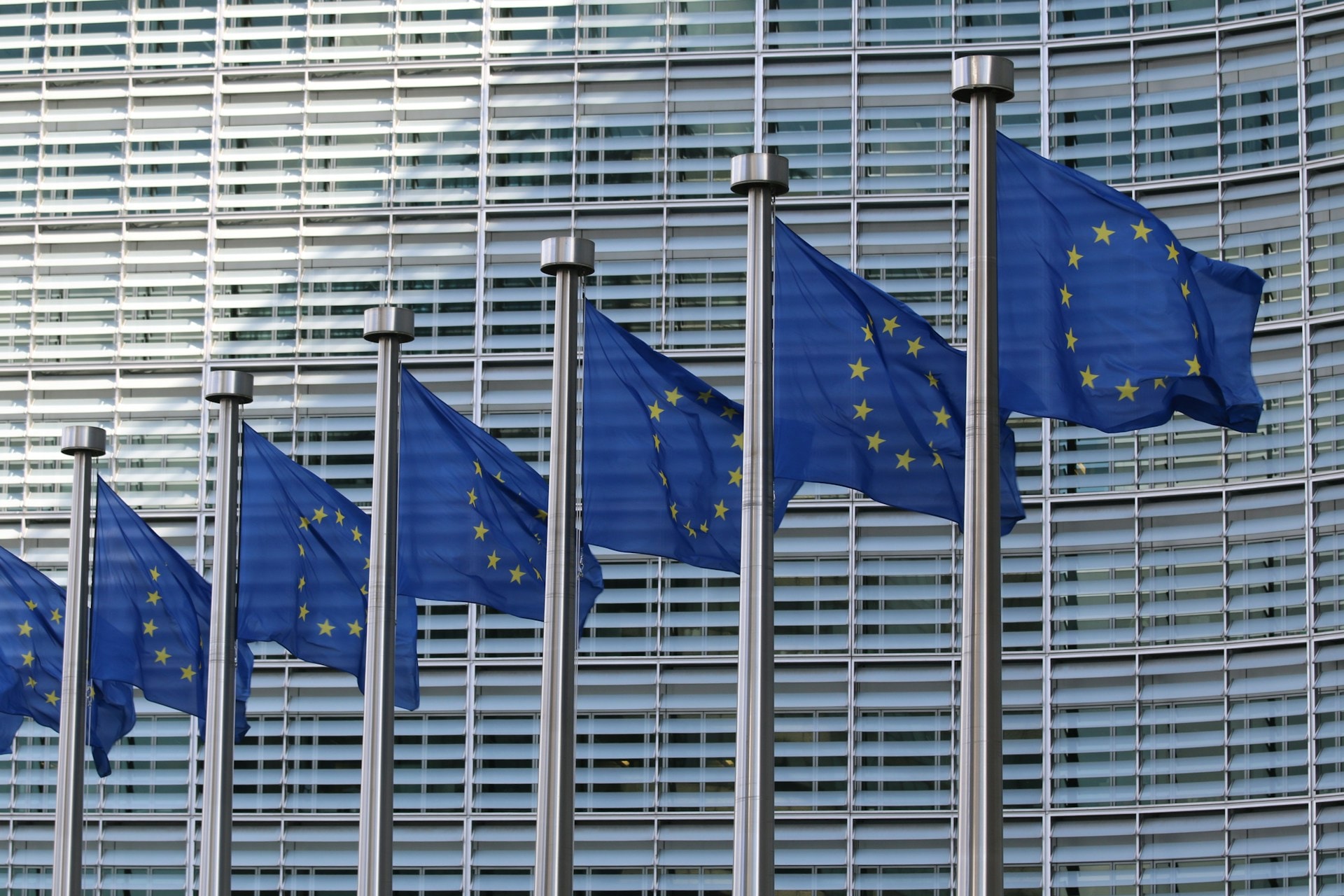
- Simplify ESG Reporting: The EU proposes simplifying ESG reporting for the financial sector.
- Climate Risk in Africa: Insurers in Africa struggle to insure assets amid extreme climate events.
- Fire at COP30: Fire in Belém, Brazil, as lawmakers discuss the warming temperature.
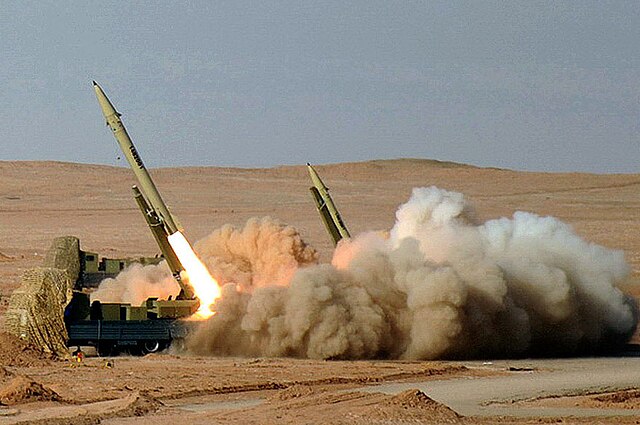
- Nuclear Material in Iran: UN votes for more transparency from Iran regarding nuclear material possession.
EU proposes to cut the complexity of ESG reports to strengthen Europe’s position in sustainable finance.
The goals of this proposal are to eliminate duplication of efforts by removing layers of overlapping reporting requirements and to make information more useful and accessible to investors. The Commission explains that this change “streamlinecorporate disclosures in the sustainable finance framework, addressing current overlaps between the Corporate Sustainability Reporting Directive (CSRD) and the Sustainable Finance Disclosure Regulation (SFDR).” Only the largest market participants that fall under the updated CSRD thresholds would continue to disclose their environmentaland social impacts. The proposal focuses on shifting SFDR strictly to product transparency rather than firm-level sustainability impacts. It is motivated by widespread complaints that current market trends around Articles 8 and 9 have created inconsistent expectations. The new framework has three categories. A sustainable category for products contributing directly to environmental or social goals, covering investments in companies or projects. A transition category for investments supporting companies progressing towards credible transition paths or financing improvements in climate, environment, or social outcomes. Finally, an ESG basics category for products that integrate a range of ESG considerations but do not meet the criteria of the other two categories.
***
Further reading: EU Proposes Major Overhaul of SFDR to Simplify ESG Disclosures and Cut Reporting Costs
African Insurers Struggle Against Climate Risk
African countries lose an estimated 2–5% of GDP to climate change each year, while some spend up to 9% of their national budgets on disaster response. Yet less than 0.5% of losses are insured. This protection gap traps countries in cycles of vulnerability. The protection gap is most visible in agriculture, the sector contributes up to 23% of sub-SaharanGDP, yet less than 3% of farmers have insurance. Acute natural disasters such as floods and droughts trigger loan defaults, weaken banks, create a surge in food prices, and force governments to divert scarce funds from development to disaster relief. African insurers face hard choices. Raising premiums would exclude poorer households and shrink already shallow markets. Expanding coverage requires deeper collaboration among insurers, governments, and development finance institutions to share data, subsidise premiums, and invest in risk-reduction infrastructure.
***
Further reading: Climate risk forces African insurers to rethink their role
Klimado – Navigating climate complexity just got easier. Klimado offers a user-friendly platform for tracking local and global environmental shifts, making it an essential tool for climate-aware individuals and organizations.
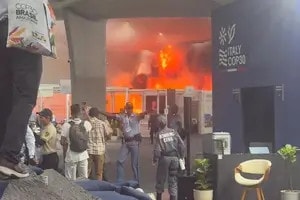
Mystery Fire at Climate Summit just as things got interesting
Delegates were evacuated from the COP30 climate summit in Belém, Brazil, after a fire broke out on Thursday, complicating negotiations aimed at accelerating the global response to Earth’s warming. Firefighters and UN security officers controlled the fire in about six minutes, 13 people were treated on site for smoke inhalation. But the blaze forced at least an hour-long closure of the negotiating site. At first, “I thought maybe Lula was arriving in the area,” Corvaro said, referring to Brazilian President Luiz Inácio Lula da Silva. “Then I saw the fire. It spread very, very quickly in the corridor near our pavilion, all the way to the ceiling.” The impact of the fire on the negotiations is unclear. The discussions included accelerating the world’s turn away from fossil fuels and tripling the amount of climate assistance that rich countries would provide to poorer nations. The U.S., which is not attending the talks, is expected to abstain from both efforts.
***
Further reading: Fire forces evacuation from climate summit as talks reach critical stage

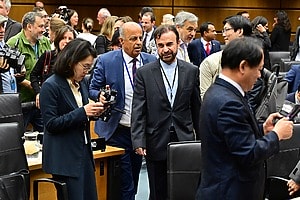
UN votes for more information on nuclear material in Iran
The UN atomic watchdog demanded that Iran provide precise information about its stockpile of weapon-grade uranium and grant its inspectors access to the country’s nuclear sites. Nineteen countries on the International Atomic Energy Agency’s (IAEA’s) 35-member board of governors voted for the resolution. Russia, China and Niger opposed it, while 12 countries abstained and one did not vote. Iran’s Ambassador Reza Najafi denounced Thursday’s resolution and said that it was designed to “exert undue pressure on Iran” and propagate a “false and misleading narrative of the present situation.” He described the authors of the resolution as “deaf and visionless” and said that they maintain “an arrogant and self-assured posture.” The resolution is put forward by France, the United Kingdom, Germany and the United States.
***
Further reading: UN atomic agency votes to urge Iran to provide information about nuclear material
Editor’s Note: The opinions expressed here by the authors are their own, not those of impakter.com — Cover Photo Credit: Guillaume Périgois