Today’s ESG Updates
- SBTi Proposes Net-Zero Standard V2: Multi-path targets across Scopes 1–3, tighter credit rules; consultation open until December 8, 2025.
- COP30 Opens In Belém: Record Indigenous presence, $5.5B forest finance, no top-level US delegation, focus on implementation.
- UN Climate Chief: Act now—or face famine, conflict and inflation; COP30 agenda adopted with tough fights ahead on NDCs, finance and fossil transition.
- Carbon Direct Buys Pachama: AI + satellite tools to make forest-carbon checks clearer and faster.
SBTi Proposes Flexible Corporate Net-Zero Standard V2
The SBTi has issued a draft Corporate Net-Zero Standard V2 to make science-based action more accessible while aligned with global goals. It offers a “menu” for decarbonization, including three Scope 1 pathways: linear reduction to net zero, increasing low-carbon activity share, and asset decarbonization plans tied to tech readiness. Scope 2 rules keep near-term targets for all, make long-term targets optional for smaller firms, set clearer criteria, allow limited exclusions, and tighten low-carbon electricity purchasing. For Scope 3, the draft prioritizes highest-impact sources and adds three options—emissions intensity, activity alignment, and counterparty alignment. EACs are formalized under strict conditions (e.g., region-matched electricity; limited Scope 3 use). A new “leadership” label rewards early action. Category A companies must publish transition plans within 12 months and start addressing residuals with removals from 2035. Consultation runs to December 8, 2025; publication in 2026.
***
Further reading: SBTi Proposes More Flexible Corporate Net Zero Standard
COP30 Opens in Belém: Indigenous Leadership, Forest Finance and a Paris Reality Check
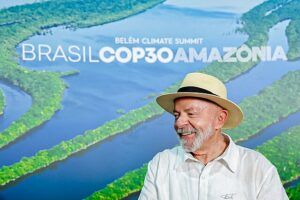
COP30 kicks off in Belém with higher stakes and a sharper focus on delivery. Hosts expect more than 3,000 Indigenous delegates, elevating land stewardship even as Brazil faces protests over new Amazon oil plans. Ahead of the summit, countries pledged $5.5B to Brazil’s Tropical Forests Forever Facility, aiming to scale to $125B and pay over 70 forest nations to keep deforestation below set rates, with penalties for backsliding. The US will send no high-level officials, raising concerns about diplomatic and financial signals. Ten years after Paris, global temperatures are up by about 0.46°C, renewables are cheaper than fossil fuels in most markets, but 1.5°C remains at risk. Rather than a big new deal, COP30 is framed as an implementation COP: grid build-out, nature protection, and financing to turn pledges into projects. As former UN climate chief Christiana Figueres notes, the right question is how to get it done.
***
Further reading: COP30: What to expect from this year’s UN climate talks
Klimado – Navigating climate complexity just got easier. Klimado offers a user-friendly platform for tracking local and global environmental shifts, making it an essential tool for climate-aware individuals and organizations.
COP30 Opens With Stern UN Warning: Act Now or Pay the Price

At COP30’s opening in Belém, UN climate chief Simon Stiell warned that governments failing to shift to low-carbon economies will be blamed for famines and conflict overseas—and face inflation and stagnation at home. He urged rapid action as climate disasters “rip double digits off GDP,” noting the last two years have temporarily exceeded 1.5°C, though swift methane cuts and clean-tech deployment could bring temperatures back toward the limit. Brazil secured formal adoption of the agenda, avoiding the usual procedural fights, but negotiations remain fraught: Saudi Arabia and the Like-Minded Developing Countries objected to elements on finance and national emissions plans; discussions on the “transition away from fossil fuels” may be routed through Brazil’s action agenda. AOSIS is pushing for stronger, near-term NDCs; rich nations face pressure to flesh out a $300bn pledge and a path to $1.3tn a year by 2035. President Lula called for a clear fossil-exit roadmap, deeper forest protection and Indigenous-led action.
***
Further reading: ‘It will never be forgiven’: UN climate chief warns world to act or face disaster

Carbon Direct Buys Pachama to Strengthen Forest-Carbon Checks

Carbon Direct has acquired Pachama to improve how carbon projects are checked and tracked. Carbon Direct (founded 2020) runs a platform that helps companies set climate targets, measure emissions, cut them, and add high-quality carbon removal. Pachama (founded 2018) brings AI and satellite tools for monitoring, reporting, and verification (MRV) of forest projects—helping pick better projects and follow their impact on carbon, wildlife, and local communities over time. Pachama co-founder Diego Saez Gil will become Senior Vice President for Strategic Engagement at Carbon Direct. The company says Pachama’s tech will make data more transparent for buyers and project developers, expand access to nature-based solutions as demand grows, and speed up innovation. Carbon Direct CEO Jonathan Goldberg said the deal builds the infrastructure needed for real climate impact.
***
Further reading: Carbon Direct Acquires Carbon Project MRV Platform Pachama
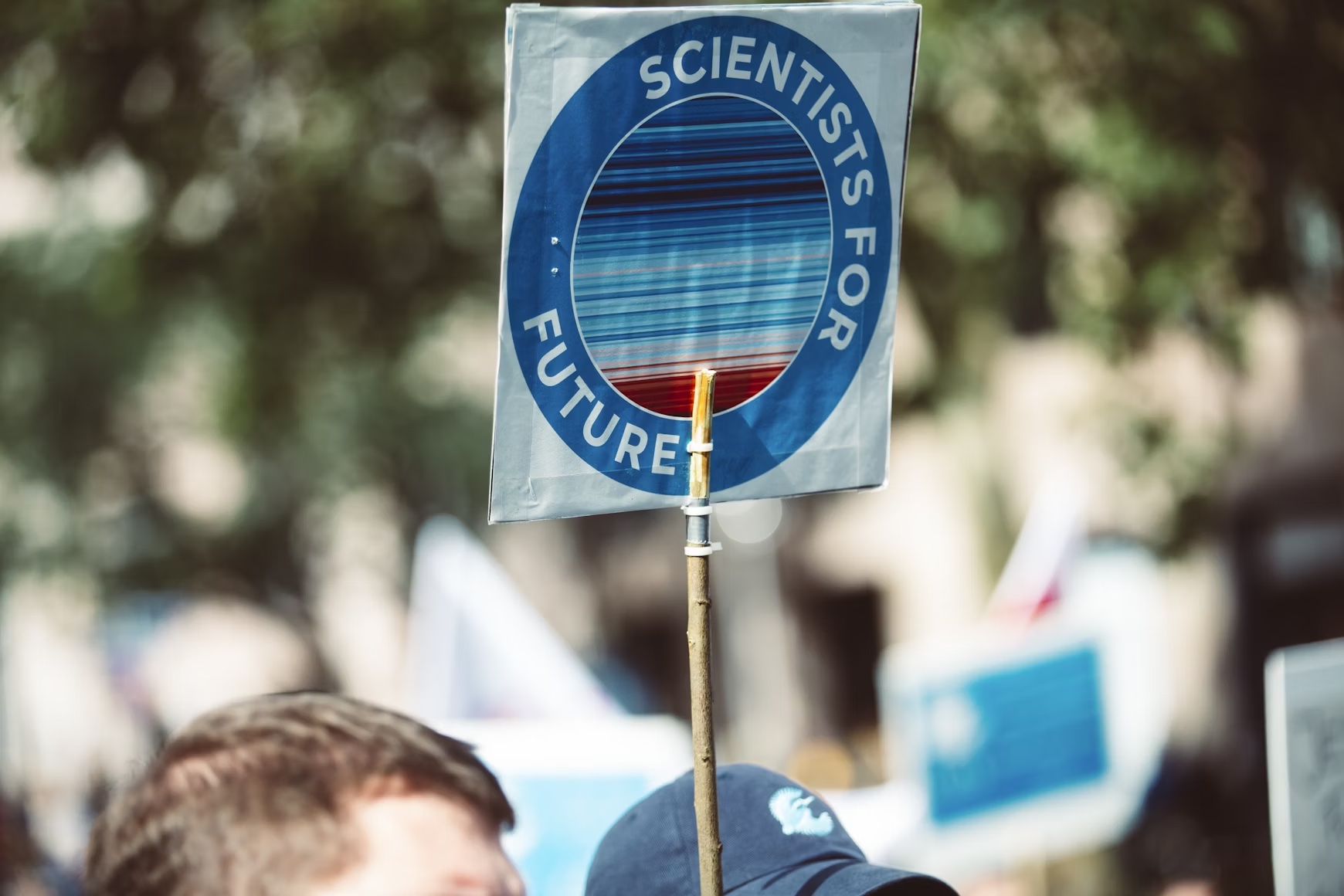
Editor’s Note: The opinions expressed here by the authors are their own, not those of impakter.com — In the Cover Photo: SCIENTIST FOR FUTURE. Cover Photo Credit: Markus Spiske