Today’s ESG Updates
- India and Japan Explore Green Aluminium Collaboration: AM Green and Mitsui are assessing investment and offtake opportunities to scale low-carbon aluminium production powered by renewable energy.
- Indonesia Estimates $92 Billion Needed to Decarbonise Captive Power: The JETP says major investment is required by 2050 to shift industry-owned power generation away from coal toward renewables and storage.
- EU Carbon Border Tax Changes Face Industry Criticism: Steel and aluminium producers say proposed CBAM expansions still leave loopholes that could undermine decarbonisation and recycling efforts.
- Pollution Protests Resume in Tunisia’s Gabes: Residents are demanding the closure of a state-owned chemical plant blamed for toxic emissions, health problems, and long-term environmental damage.
India–Japan partnership explores low-carbon aluminium production
India’s AM Green and Japan’s trading giant Mitsui & Co have signed a non-binding agreement to explore cooperation in green aluminium production. Discussions include a potential equity investment by Mitsui in AM Green’s clean metals value chain and a possible offtake agreement for low-carbon aluminium. AM Green, backed by the founders of Greenko Group, is developing a large-scale aluminium smelter and alumina refinery powered entirely by renewable energy sources such as solar, wind, and hydropower. The planned facility in Andhra Pradesh aims to significantly reduce emissions compared to conventional coal-powered aluminium production.
***
Further reading: India’s AM Green and Japan’s Mitsui explore potential investment, offtake for green aluminium
Indonesia’s captive power transition could require $92 billion by 2050
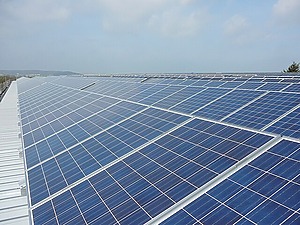
Indonesia will need an estimated $92 billion in investment by 2050 to decarbonise its captive power sector, according to a report by the Just Energy Transition Partnership (JETP). The sector, which supplies electricity generated by industries for their own use, has expanded rapidly, particularly in nickel industrial estates, and remains heavily coal-dependent. JETP estimates over 75% of captive capacity currently runs on coal. Planned investments focus on renewable energy, battery storage, and efficiency improvements, with renewables projected to make up more than 80% of captive generation by 2050, significantly reducing carbon emissions.
***
Further reading: JETP estimates Indonesia needs $92 billion by 2050 for decarbonising captive power sector
Klimado – Navigating climate complexity just got easier. Klimado offers a user-friendly platform for tracking local and global environmental shifts, making it an essential tool for climate-aware individuals and organizations.
EU carbon border tax changes fall short for metals industry

Proposed updates to the European Union’s carbon border adjustment mechanism are a positive step but do not fully address industry concerns, according to steel and aluminium producers. The European Commission plans to expand the carbon tax to include some downstream products and certain types of metal scrap in an effort to reduce carbon leakage. However, industry groups argue the scope remains too limited. The European steel association Eurofer said the measures fail to provide a comprehensive solution, while aluminium producer Norsk Hydro warned that excluding post-consumer scrap could undermine EU recycling capacity and leave significant loopholes in the system.
***
Further reading: EU carbon tax changes for metals are not enough, industry says

Pollution protests return to Tunisia’s Gabes over state chemical plant

Thousands of Tunisians marched in the coastal city of Gabes to protest pollution from a state-owned phosphate complex, marking the 15th anniversary of the 2011 uprising. Residents accuse the Tunisian Chemical Group of causing serious health and environmental damage through toxic emissions and industrial waste discharged into the sea. Protesters reported rising cases of respiratory illness and cancer, with recent incidents involving schoolchildren suffering breathing difficulties. President Kais Saied has described the situation as an “environmental assassination” but has proposed only temporary fixes. Demonstrators are demanding the permanent closure and relocation of the plant.
***
Further reading: Tunisians revive protests in Gabes over pollution from state chemical plant
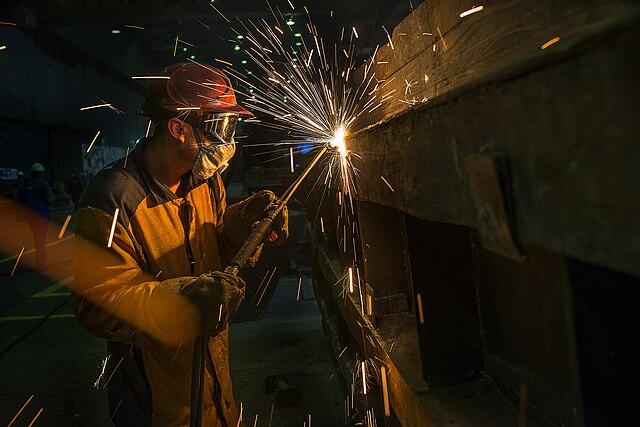
Editor’s Note: The opinions expressed here by the authors are their own, not those of impakter.com — Cover Photo Title: A renewable-powered industrial site highlights efforts by AM Green and Japan’s Mitsui to scale low-carbon aluminium production in India. Cover Photo Credit: Wikimedia Commons