Today’s ESG Updates
- Nestlé Exits Dairy Methane Alliance: Food giant withdraws from emissions pact but reaffirms 2050 net-zero target
- Argentina Lifts Metal Export Taxes: Temporary suspension on aluminum and steel export duties aims to boost trade
- EU Plastics Industry Warns of Collapse: Sector group urges urgent action to avoid closures amid rising costs and tariffs
- Iraq, Exxon Ink Oilfield Deal: New agreement aims to boost output and modernize export infrastructure
Nestle leaves the global alliance combatting dairy methane emissions
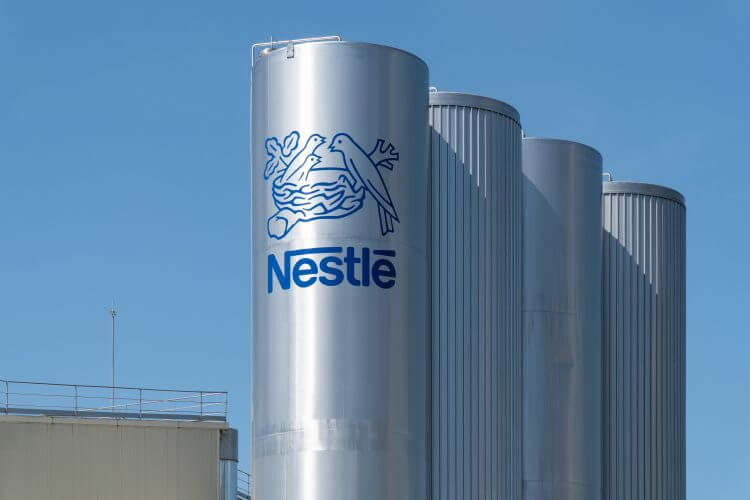
Food group Nestle has announced that it will be withdrawing from a global alliance which targets methane emissions and aims to reduce the impact of dairy farming on global warming. The Dairy Methane Action Alliance was launched in December 2023 and members committed to publicly measure and disclose methane emissions, alongside publishing plans to reduce said emissions. This move follows Trump’s efforts to dismantle several climate protection initiatives, and Nestle did not elaborate further on their decision. However, the company has promised to work towards its net zero target by 2050. Nestle disclosed in its 2024 non-financial statement that the company reduced methane emissions by almost 21% compared to 2018 levels. Companies can rely on ESG solutions to help them work towards climate goals while ensuring compliance with key regulations and policies.
***
Further reading: Nestle quits global alliance on reducing dairy methane emissions
Argentina Lifts Export Taxes on Aluminum, Steel, and Derivatives Until End of 2025
Argentina’s government has temporarily eased export taxes on aluminum, steel, and derivatives until the end of 2025. The tax lift came into effect today, and applies to the metals exported to countries which, at the time, applied an import tariff of at least 45% on such goods. This measure will be effective until December 31, or until the countries involved reduce their tariffs below 45%, whichever comes first. This decision underscores the intention to align Argentina’s trade policies with more openness, and also aims to strengthen export capacity while increasing competition in one of the country’s productive sectors. To stay up to date with more industry developments, companies can turn to ESG tools.
***
Further reading: Argentina Lifts Export Taxes on Aluminum, Steel, and Derivatives Until Year-End
Klimado – Navigating climate complexity just got easier. Klimado offers a user-friendly platform for tracking local and global environmental shifts, making it an essential tool for climate-aware individuals and organizations.
EU plastics sector faces threat of closure without urgent action
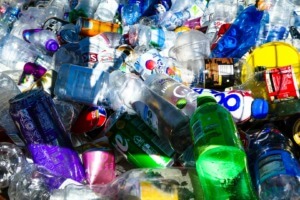
Plastics Europe, a sector lobby group, warns that Europe’s plastics industry is at risk of plant closures at an accelerated rate and falling behind global rivals in recycling. The group states that the EU should recognise plastics as a strategically vital industry given its importance to industries including defence, car-making, and agriculture. Urgent action is required to address crippling energy costs, climate-related tariffs, and high feedstock prices, alongside the impacts of U.S. tariffs. They are calling for the EU to pause planned reductions of free carbon emission allocations, and for Europe’s plastics industry to cover the release of global-warming gases created in production by buying emission allowances. In 2024, European production volumes dropped, compared to global plastics production which increased. Furthermore, U.S. producers have advantages as the U.S.-EU deal allows them to export to the EU market with zero tariffs, while shipments the other way would be slapped with 15% import tariffs.
***
Further reading: EU plastics sector says closures will accelerate without swift action

New deal between Iraq and Exxon for oilfield development

Exxon Mobil has signed a new deal with Iraq to support the development of its giant Majnoon oilfield and to expand oil exports. The non-binding agreement with Exxon follows a string of deals with other oil companies including Chevron, BP and TotalEnergies, as Iraq moves to accelerate oil and gas production by offering more generous times. Iraq currently produces approximately 4M bpd and aims to exceed 6M bpd by 2029, though its progress has been slowed by various factors. The new deal signals Iraqi officials’ efforts to modernise the country’s energy sector and to improve relations with the U.S.. The agreement will involve a profit-sharing agreement covering crude oil and refined products and plans to upgrade Iraqi oil export infrastructure in the south. To stay informed on industry updates and regulations amid shifting geopolitics, companies can turn to ESG solutions.
***
Further reading: Iraq signs deal with Exxon to help develop large oilfield
Editor’s Note: The opinions expressed here by the authors are their own, not those of impakter.com — In the Cover Photo: Nestle logo on side factory. Cover Photo Credit: New Food Magazine***