Today’s ESG Updates
- Eroded Lava Under the Ocean Stores CO2: Work led by the University of Southampton demonstrates that these accumulations of broken lava, created as underwater mountains erode, act as natural reservoirs for CO2.
- Businesses View Climate Transition as an Opportunity: HSBC survey reveals that 95% of business leaders now view the climate transition as a commercial opportunity rather than just a risk, with sustainability strategies increasingly driving competitive advantage and investment.
- Paper Mill Waste Converts to Clean Energy: Scientists have developed a new catalyst which is cheaper, more durable, and sustainable for producing hydrogen energy.
- Google Backs Ocean-Based Carbon Removal: Google has signed an agreement with Ebb Carbon to remove 3,500 tons of CO2 using a new technology that integrates with desalination plants in Saudi Arabia to enhance ocean alkalinity.
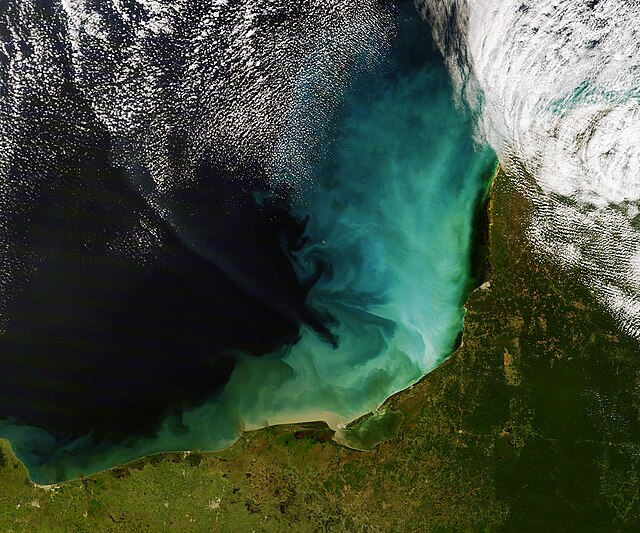
Eroded lava rubble beneath the ocean found to store massive amounts of CO2
Researchers from the University of Southampton have identified a natural mechanism that traps CO2 deep beneath the ocean floor. Scientists examined lava rubble (breccia) from the South Atlantic Ocean and found porous rocks that act as a massive “sponge,” storing carbon dioxide for tens of millions of years. The samples from 60 million years ago reveal that these deposits contain between 2 to 40 times more CO2 than volcanic lavas previously studied. This discovery fundamentally reshapes the scientific understanding of Earth’s long-term carbon cycle.
Dr. Rosalind Coggon, the lead author said: “Excitingly, the cores revealed that these porous, permeable deposits have the capacity to store large volumes of seawater CO2 as they are gradually cemented by calcium carbonate minerals that form from seawater as it flows through them.”
***
Further reading: Scientists find a massive hidden CO2 sponge beneath the ocean floor
Sustainability is becoming a key driver for business strategy
HSBC survey shows shift in corporate mindset, where 95% of business leaders now see the climate transition as an opportunity instead of a risk. The report surveyed 2,150 people and found that sustainability is moving from an obligation to a strategic impacter. 99% of leaders agree it is necessary for a competitive advantage over the next three years.
Natalie Blyth, Global Head of Sustainable Finance & Transition at HSBC said: “In 2025, sustainability strategy became business strategy: defining value creation, competitive advantage and risk management.” Consequently, the number of companies planning to allocate at least 10% of their capital expenditure to climate initiatives is expected to double within the next three years.
***
Further reading: 95% of Business Leaders View Climate Transition as Source of Growth and Opportunity: HSBC Survey
Klimado – Navigating climate complexity just got easier. Klimado offers a user-friendly platform for tracking local and global environmental shifts, making it an essential tool for climate-aware individuals and organizations.

Lignin carbon fibres loaded with nanoparticles
Researchers developed a high-performance catalyst using lignin, which is a common waste product from paper and biorefinery processes. By embedding nickel-iron oxide nanoparticles into carbon fibers made from lignin, the team creates a structure that significantly speeds up the production of clean hydrogen.
This material offers a sustainable, low-cost alternative to the expensive metals currently used in water splitting. Yanlin Qin, an author, said: “Our work shows that a catalyst made from lignin, a low-value byproduct of the paper and biorefinery industries, can deliver high activity and exceptional durability. This provides a greener and more economical route to large-scale hydrogen generation.”
***
Further reading: Paper mill waste could unlock cheaper clean energy


Google signs carbon removal deal with marine tech firm Ebb Carbon
Ebb Carbon has announced a new offtake agreement with Google to remove 3,500 tons of CO2. The project will utilize Ebb’s electromechanical technology at a desalination facility operated by the Saudi Water Authority (SWA). The system treats brine and returns an alkaline solution to the ocean which enhances its ability to absorb atmospheric carbon while reducing ocean acidification.
Ben Tarbell, CEO of Ebb said: “The natural systems in the ocean represent the most powerful and rapidly scalable path to meaningful carbon removal. By integrating our technology with desalination facilities, we’re transforming what has historically been a waste stream into a climate solution.” Ebb is also working with Google X to explore using the acid byproduct of this process to recycle concrete waste.
***
Further reading: Google Signs Ocean-Based Carbon Removal Deal with Ebb Carbon
Editor’s Note: The opinions expressed here by the authors are their own, not those of impakter.com — Cover Photo Credit: WikimediaCommons