
Today’s ESG Updates
- EU Offers Aid for Carbon Border Tariff Impact: €200B “Global Europe” fund to help developing nations cut emissions ahead of 2026 CBAM rollout
- Nestlé to Cut 16,000 Jobs Under New CEO: Cost-saving plan aims for CHF 3B by 2027, with most cuts affecting white-collar roles
- Fossil Fuels to Dominate Beyond 2050: McKinsey warns rising electricity demand will outpace clean energy transition despite renewable growth
- India May Reduce Russian Oil Imports: U.S. pressure prompts refiners to consider gradual cuts, balancing supply security and inflation risks
EU to provide support for countries affected by tariffs
The EU has announced that development funding will be offered to countries affected by the bloc’s carbon border tariff. In 2026, the EU’s carbon border adjustment mechanism (CBAM) will begin imposing fees on the CO2 emissions of imported goods including steel and cement. This move has been criticised by various trading partners who say that it penalises developing countries. The Commission has stated that it will not withdraw its climate laws, but seeks to support countries through “Global Europe”, a proposed €200B programme of international development funding in the EU’s budget for 2028-2034. This funding can help developing countries invest in emission reduction for industries and switch to clean energy, reducing their bill under the EU carbon border tariff. There are also plans to increase business involvement in the bloc’s energy diplomacy, and to identify priorities for clean tech investments abroad as Europe attempts to keep up with China’s dominance in the green tech market.
***
Further reading: EU plans support for countries affected by carbon border levy
Nestlé to cut 16,000 jobs as new CEO targets quicker turnaround

Nestlé SA’s new CEO, Philipp Navratil, has announced plans to slash 16,000 jobs after recently taking over, aiming to build on a stronger-than-expected increase in quarterly sales that lifted the company’s shares by the most in 17 years. He has increased Nestlé’s target for cost savings to 3B Swiss francs ($3.7B) by the end of 2027, from 2.5B francs, which indicates that he is sticking with his predecessor’s broader strategy, which included reviews and possible sales of underperforming units. The job reductions amount to approximately 6% of the workforce, and will occur over the next two years. Of the cuts, approximately 12,000 will be among white-collar staff, with the rest from manufacturing and supply chain roles. Navratil has also disclosed that any job losses through divestments will not be counted towards the 16,000 planned reductions. To keep up with more industry updates, businesses can rely on ESG solutions.
***
Further reading: Nestlé to Slash 16,000 Jobs as New CEO Speeds Up Turnaround
Klimado – Navigating climate complexity just got easier. Klimado offers a user-friendly platform for tracking local and global environmental shifts, making it an essential tool for climate-aware individuals and organizations.
McKinsey report predicts fossil fuels to dominate global energy use past 2050
A new McKinsey report shows that oil, gas, and coal will continue to dominate the world’s energy mix well beyond 2050, as increasing electricity demand outpaces the shift to renewable energy. The report predicts that electricity demand will rise mainly due to a projected 20-40% increase from the industry and buildings sectors by 2050, with North American data centres seen as the biggest contributors to the surge. The use of natural gas for electricity generation is expected to grow significantly alongside higher levels of coal use. Unless mandated, alternative fuels are not likely to achieve broad adoption before 2040 despite renewables having the potential to provide 61-67% of the 2050 global power mix. The report also notes energy recession risks, tariffs, and tech innovation as factors behind continued fossil fuel reliance. For companies looking to work towards climate goals, ESG tools can be useful in facilitating a smoother transition to clean energy.
***
Further reading: Fossil fuels to dominate global energy use past 2050, McKinsey says

Sources say some India refiners to move away from Russian oil

Sources have disclosed that some Indian refiners are preparing to cut Russian oil imports, with expectations of a gradual reduction following U.S. pressure on New Delhi to stop buying Russian crude to help end the war in Ukraine. The country’s two main goals are to ensure stable energy prices and secure supply. Trade talks between India and the U.S. are underway, and deeper energy co-operation with the U.S. are under discussion. Indian refiners have not been formally told by the government about stopping Russian oil purchases, and it would be difficult to immediately cut Russian imports as a sudden switch to other crudes would drive up global oil prices and threaten to stoke inflation. To stay informed on the latest industry updates amid shifting geopolitical landscapes, companies can turn to ESG solutions.
***
Further reading: Some Indian refiners to move away from Russian oil, sources say
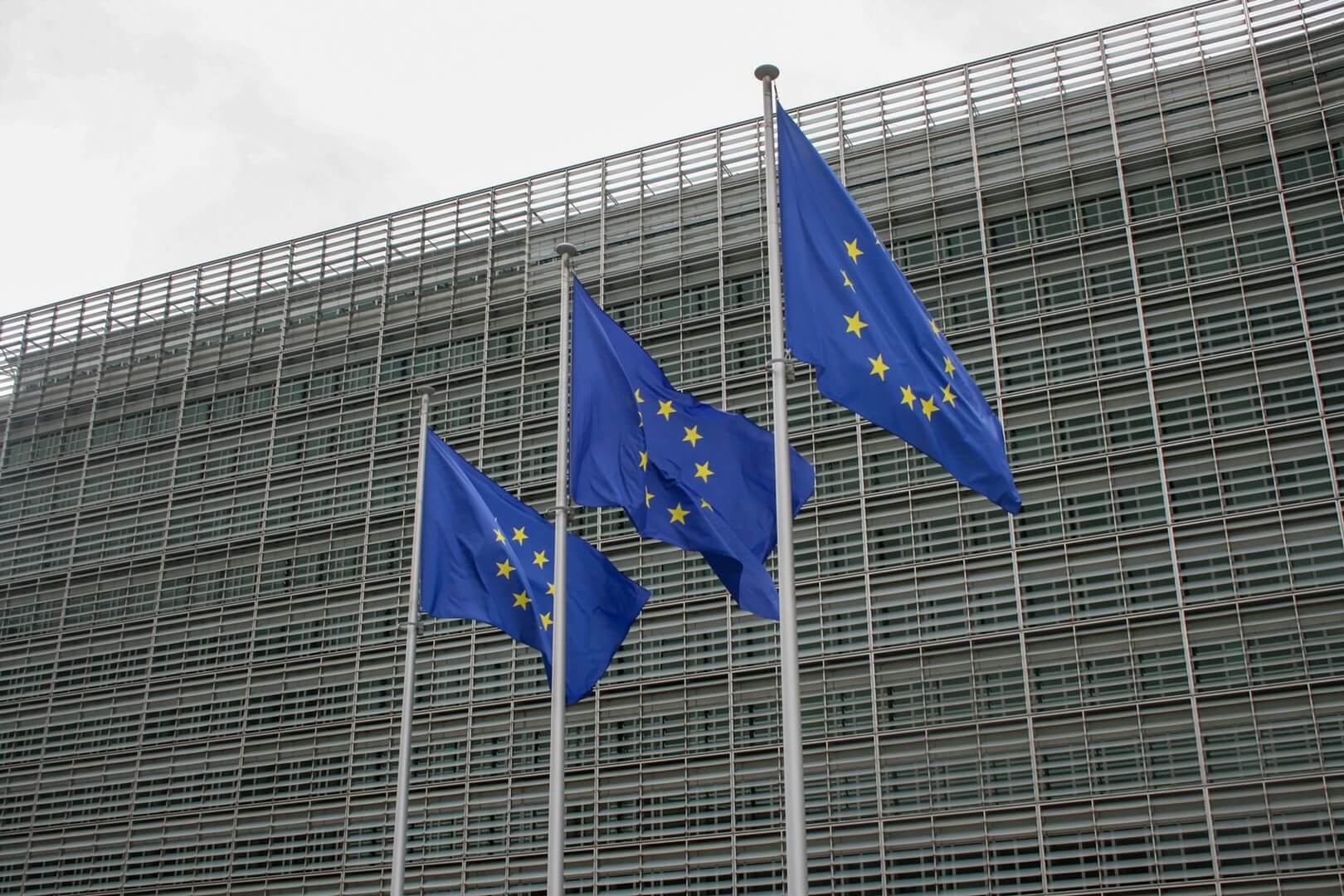
Editor’s Note: The opinions expressed here by the authors are their own, not those of impakter.com — In the photo: Three EU flags waving, Oct. 25, 2023. Cover Photo Credit: Carl Gruner