Today’s ESG Updates
- EU–Mercosur Trade Deal Signed: After 25 years of talks, the EU and Mercosur formally signed a landmark trade deal that could create the world’s largest free trade area.
- EU Prepares Countermeasures Over Trump Tariff Threats: The EU is weighing retaliation after President Trump threatened new tariffs tied to demands over Greenland.
- Bolivia Courts Investors With Contract Certainty: Bolivia’s centrist government pledged to honor all existing lithium and hydrocarbons contracts to revive output and attract foreign investment.
- U.S. Judges Revive Offshore Wind Projects: Federal judges have allowed halted offshore wind projects to resume in the United States.
EU-Mercosur trade deal officially signed
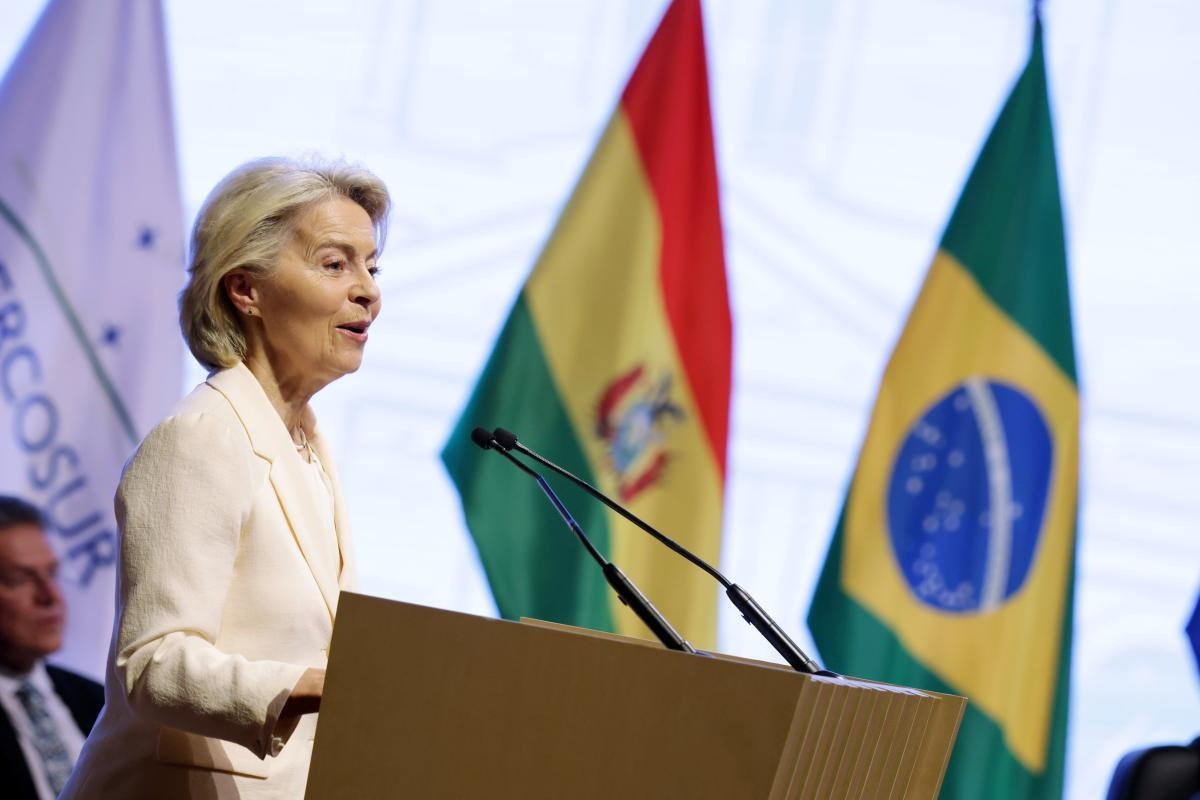
A trade deal between the European Union and the Mercosur bloc in South America has finally been signed after over 25 years of negotiations. The agreement, signed Saturday, still must be fully ratified by the European Parliament and the national legislatures of both blocs. If it passes through the ratification process, the deal could establish the world’s largest free trade market. Tariffs on EU exports will be phased out over time, creating opportunities for the EU industrial sector, and the deal grants access to EU markets for agricultural products from South America. At the ceremony in Asunción, Paraguay, European Commission President Ursula von der Leyen said, “This agreement sends a strong signal to the world. It reflects a clear and deliberate choice. We choose fair trade over tariffs, we choose a productive, long-term partnership.”
***
Further reading: EU and Mercosur seal historic trade deal
EU weighs retaliation as Trump threatens tariffs amid Greenland demand
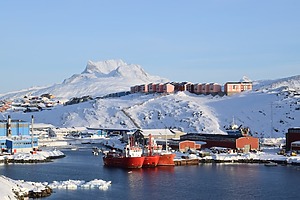
On Saturday, U.S. President Donald Trump announced increasing tariffs from February 1 on EU member states of Denmark, Sweden, Finland, Germany, France, and the Netherlands, as well as Britain and Norway. The EU condemned the tariffs as blackmail, with Trump using them as a tool in his mission to buy Greenland. The following day, ambassadors from the European Union convened to discuss their strategy to dissuade Trump from imposing these tariffs. An emergency summit in Brussels this week will weigh options, including reactivating a suspended €93 billion ($107.7 billion) tariff package or deploying the bloc’s never-used Anti-Coercion Instrument (ACI). The ACI could restrict U.S. access to EU markets. EU leaders stress the need for dialogue moving forward, especially at the World Economic Forum in Davos. The standoff has unsettled markets and raised doubts over recent U.S.-EU and U.S.-UK trade deals.
***
Further reading: EU scrambles to avert Trump Greenland tariffs, prepares retaliation
Klimado – Navigating climate complexity just got easier. Klimado offers a user-friendly platform for tracking local and global environmental shifts, making it an essential tool for climate-aware individuals and organizations.
Bolivia pledges contract stability to encourage lithium and energy investors

After years of policy instability, Bolivia’s centrist government is working to restore investor confidence. They have pledged to honor all existing lithium and hydrocarbons contracts, including controversial agreements with Russian and Chinese firms. The country’s energy minister, Mauricio Medinaceli, said that by respecting past deals, investors will realize that contractual certainty would prevail over ideology. Bolivia, home to vast lithium and natural gas reserves, has seen output decline following nearly two decades of state dominance that deterred foreign investment. President Rodrigo Paz’s administration is seeking to reset relations with Washington and multilateral lenders while overhauling energy policy. Planned reforms include new hydrocarbons and lithium laws, a reduced role for state firm YPFB, more flexible tax and royalty regimes, and new contract models. The government also lifted fuel subsidies, triggering protests across the country.
***
Further reading: Bolivia pledges to honor energy, lithium deals to reassure investors

Trump losing battle with wind farms as judges allow construction to resume
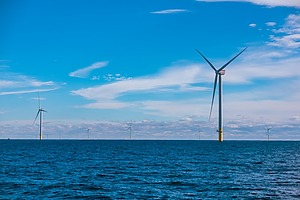
Three U.S. judges have allowed construction to resume on offshore wind projects that President Trump halted in late December. Trump, claiming offshore wind was a national security risk, forced several companies to suspend multibillion-dollar projects along the East Coast, from New England down to Virginia. While a setback for the Trump administration, many are celebrating the legal victories for these renewable energy companies. Democratic Senator Martin Heinrich of New Mexico said, “If you are a developer, the lesson is don’t cower in the corner. You have to be willing to fight for your legal rights.” A fourth wind farm will have an appeal hearing on February 2. Analysts say the administration will find future ways to hinder offshore wind, despite the outcomes of these legal proceedings.
***
Further reading: Trump suffers major losses in his war on offshore wind
Editor’s Note: The opinions expressed here by the authors are their own, not those of impakter.com — In the Cover Photo: EC President Ursula von der Leyen speaks in Paraguay at trade deal signing. Cover Photo Credit: EC – Audiovisual Service © European Union, 202X, licensed under CC BY 4.0