
Today’s ESG Updates
- Federal Court Blocks Trump Wind Freeze: 8A U.S. judge vacated the order blocking wind project approvals, reopening the path for clean energy development.
- EU Sets Goal to Cut Emissions 90 Percent by 2040: The European Union agreed on a major new climate target, requiring deep emissions reductions across European industries.
- OECD Warns of Persistent SME AI Adoption Gaps: A new report highlights slow uptake of artificial intelligence among small and medium sized enterprises and warns of growing productivity divides.
- EU Approves Support for Poland’s First Nuclear Plant: The European Commission backed a revised aid package that clears the way for Poland’s flagship nuclear energy project.
U.S. court overturns Trump wind energy freeze
“As New Yorkers face rising energy costs, we need more energy sources, not fewer.” With this statement, New York Attorney General Letitia James welcomed a federal court decision striking down President Trump’s freeze on new wind energy projects. The ruling removes a directive that had blocked all federal approvals for wind developments since the first day of the administration. Judge Patti Saris found that the order offered no reasoned explanation for reversing decades of federal support for wind energy and noted that the government failed to acknowledge it was changing course.
The case was brought by a coalition of 18 state Attorneys General, who serve as the chief legal officers of their states, arguing that the freeze threatened access to reliable, affordable electricity while limiting efforts to cut pollution. The court vacated the order in full, reopening the path for wind energy projects nationwide.
***
Further reading: U.S. Court Strikes Down “Unlawful” Trump Ban on Wind Energy Projects
European Union approves plan to cut greenhouse gas emissions 90% by 2040
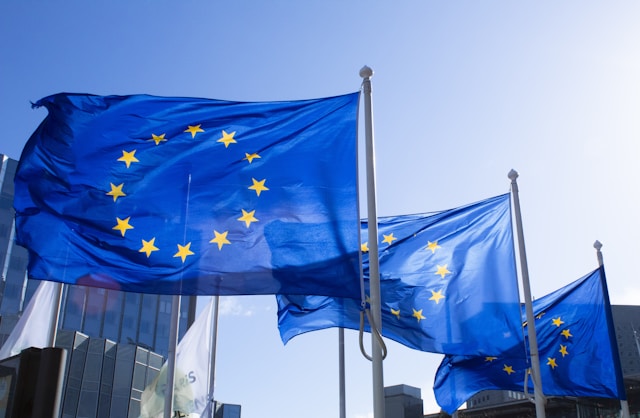
The European Union (EU) has agreed to a target to cut greenhouse gas emissions by 90% from 1990 levels by 2040. The measure requires European industries to achieve an 85% reduction, with the remaining share covered by carbon credits purchased from developing countries. The target is among the most ambitious globally, yet it is weaker than the level recommended by the EU scientific advisers and lower than the original Brussels proposal.
The final deal reflects divisions among member states as some governments warned that deeper cuts would place additional pressure on industries already challenged by high energy costs and rising foreign competition. Others argued for more decisive action because of worsening extreme weather and the need to accelerate green technology. The agreement still needs formal approval from Parliament and member states.
***
Further reading: EU strikes deal on climate target to cut emissions by 90% by 2040
Klimado – Navigating climate complexity just got easier. Klimado offers a user-friendly platform for tracking local and global environmental shifts, making it an essential tool for climate-aware individuals and organizations.
SME artificial intelligence gap raises economic concerns

A new report by the Organisation for Economic Co-operation and Development (OECD) warns that slow adoption of artificial intelligence among small and medium-sized enterprises (SMEs) could deepen productivity and competitiveness divides across advanced economies. The report shows that overall use of artificial intelligence is rising, yet many smaller firms remain limited to basic tools. This imbalance matters because these firms form the backbone of national supply chains, and their digital readiness directly affects resilience and long-term economic performance.
The report identifies 4 conditions that will determine whether artificial intelligence delivers broad-based value. Reliable connectivity, access to quality data and computing resources, stronger workforce skills, and stable financing are all essential for meaningful adoption. Without progress in these areas, artificial intelligence could concentrate its advantages among large firms. The report urges governments to expand targeted support so that digital transformation strengthens inclusiveness and productivity across entire economies.
***
Further reading: AI adoption by small and medium-sized enterprises

Europe approves support for Poland’s first nuclear plant
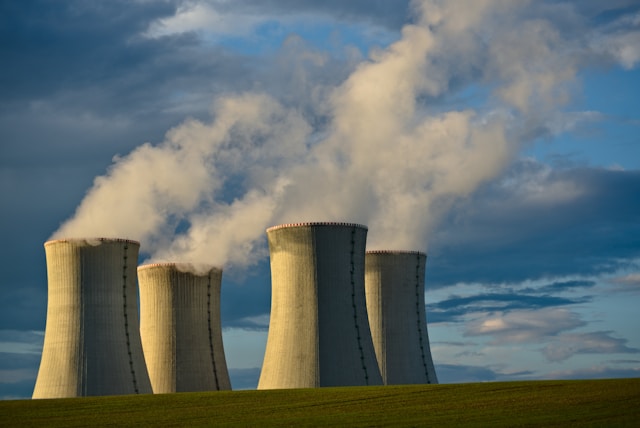
Poland has secured approval from the European Commission for public support linked to the country’s first nuclear power plant. The project will supply up to 3,750 megawatts of electricity and is expected to begin operating in the second half of the next decade. The decision follows an extensive inquiry into whether the aid was necessary, balanced and consistent with European Union (EU) market rules.
During the inquiry, Poland reshaped key elements of the plan. It shortened the support period and introduced a two-way contract-for-difference that rewards the plant for being ready to generate power. This design helps limit market distortion and protects space for renewable electricity. Poland also agreed to controls that prevent excess profits and require most electricity to be traded on open markets. These adjustments allowed the Commission to confirm that the measure meets EU State aid requirements.
***
Further reading: Commission approves State aid for the construction and operation of Poland’s first nuclear power plant
Editor’s Note: The opinions expressed here by the authors are their own, not those of impakter.com — Cover Photo Credit: Gage Skidmore