Today’s ESG Updates
- COP30: Food Waste Breakthrough: UNEP plans to reduce food waste by half, reduce hunger and cut 7% of the methane emissions.
- Small Nuclear Power Station in UK: UK intends to increase its energy security and reduce prices with a small nuclear power plant.
- Varaha, an Indian Climate Tech Startup, Receives €26.4 Million in Funding: The company intends to use the funds for expansion of its regenerative farming program.
- EU Anti-Deforestation Rule: EU Commission proposed the simplification of the law to make it easier for farmers and foresters to sell their goods in the EU.
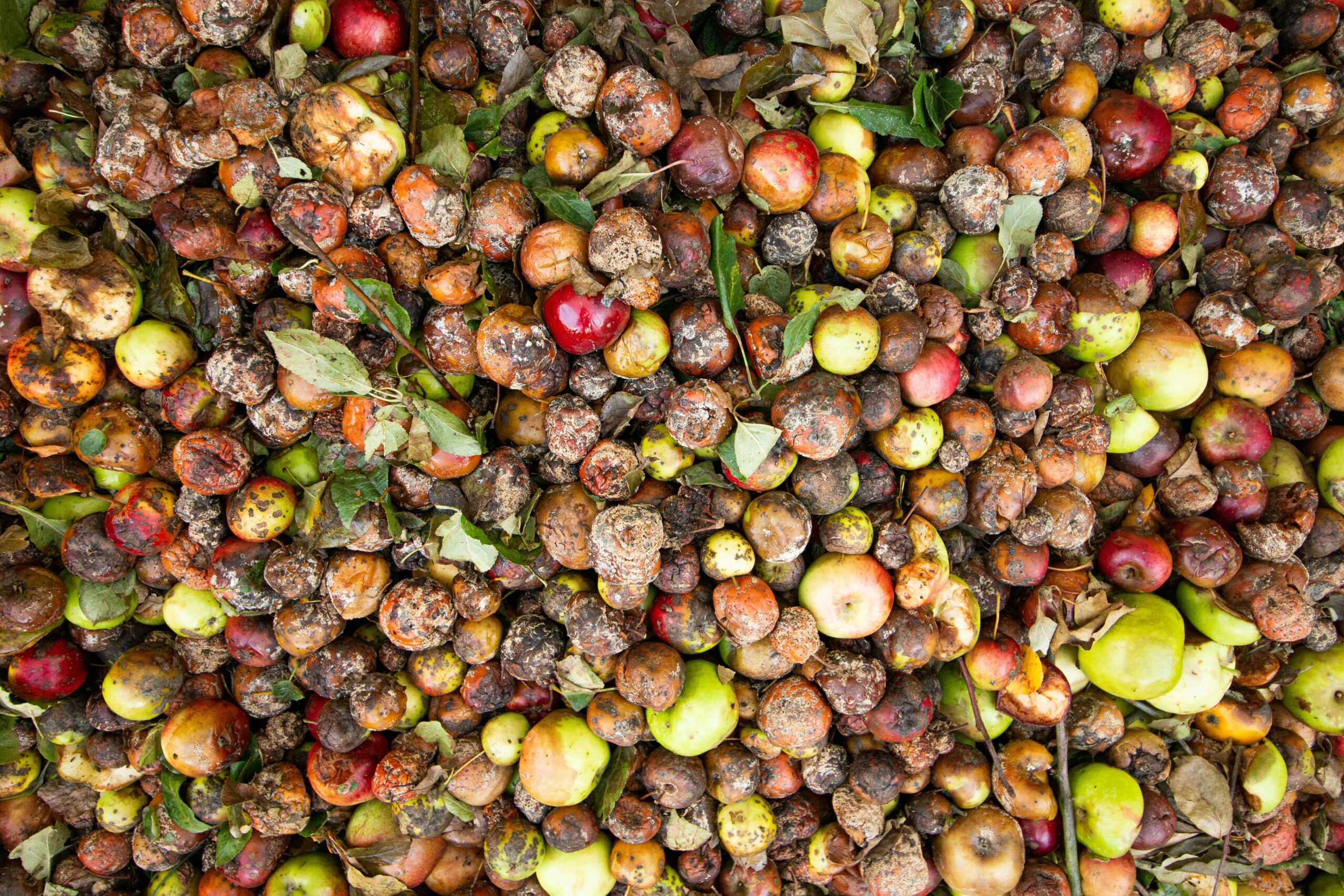
UNEP plans to reduce food waste by half, reduce hunger and cut 7% of the methane emissions
The Food Waste Breakthrough, a 2030 Climate Solution under the Marrakech Partnership for Global Climate Action, launched at COP30 in Belém. The project is uniting governments, cities, and societies on an issue that strikes at the heart of global hunger and climate change. Over a billion tonnes of food are wasted worldwide every year. This contributes up to 14% of global methane emissions and 10% of total greenhouse gas emissions. It also adds up to US$1 trillion (USD) in losses per year.
“The world wastes an unforgivable amount of food each year, in every country, rich and poor,” said Inger Andersen, UNEP Executive Director. “Reducing this food waste is key to addressing hunger and cutting methane emissions from landfills – decisive action to lower global temperatures, save money, and tackle food insecurity at the same time. The Food Waste Breakthrough is exactly the kind of big-hitting initiative we need to keep climate change in check and save nutritious food for those who need it.”
***
Further reading: Food Waste Breakthrough launches to help cities halve food waste, cut methane emissions and reduce hunger
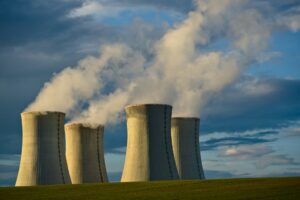
Nuclear power station is to be built in North Wales, UK
As demand for quick, cheap energy grows and pressure to meet climate targets intensifies, the UK has backed the development of small modular reactors (SMRs) to enhance its energy security. The plant will be based in Wylfa on Anglesey, an island in North Wales, and Rolls-Royce RR.L will lead the design.
“We are extremely disappointed by this decision, not least because there are cheaper, faster, and already-approved options to provide clean, safe energy at this same location,” U.S. Ambassador Warren Stephens. The United States has consistently criticised the British energy strategy and assigned it blame for inflating prices. British industrial electricity prices are indeed among some of the highest in the world. The United States had wanted a U.S.-led large plant built there in order to have greater involvement in the UK’s energy sector.
“We will work closely with our U.S. partners, they remain vital to Britain’s nuclear future, [the decision] does not close the door to a larger plant elsewhere. We are keeping options open and making sure the U.S. has a meaningful role in our plans,” said a representative of British Prime Minister Keir Starmer.
***
Further reading: UK to build its first mini nuclear power station in north Wales, angering Washington
Klimado – Navigating climate complexity just got easier. Klimado offers a user-friendly platform for tracking local and global environmental shifts, making it an essential tool for climate-aware individuals and organizations.
Indian climate tech startup Varaha receives €26.4 million from Mirova
Varaha, an Indian climate tech startup, received €26.2 million from Mirova, a French climate-focused investment firm. Mirova is investing cash and will get a share of the carbon credits generated in return over time. Founded in 2022, Varaha designs and operates carbon projects across regenerative agriculture, agroforestry, and biochar. Mirova is investing in Varaha’s Kheti project, which works with farmers in Haryana and Punjab to adopt low-emission practices and generate verified carbon credits that can provide an additional source of income. The project covers over 200,000 hectares and is expected to reach around 337,000 farmers across 675,000 hectares as it scales. “Instead of burning the residue, you use agricultural machinery to cut it on the farm and mix it back into the soil,” said Madhur Jain, co-founder and CEO of Varaha.
***
Further reading: Kering-backed fund Mirova pours $30.5M into India’s Varaha for regenerative farming

Simplification of EU’s anti-deforestation rules

The bloc’s anti-deforestation law requires suppliers of cocoa, coffee, soy, palm oil, wood, rubber, and beef to prove their goods are not linked to deforestation in exchange for access to the EU market. Under the new draft bill to simplify the law, lawmakers backed a Commission proposal that seeks to reduce the data load handled by the IT system linked to the EU’s anti-deforestation law and to cut the administrative burden for farmers, foresters and other economic operators. Small farmers and foresters, who in the current law are supposed to register and provide due diligence of their goods put in the market, would no longer need to provide a due diligence paper, but a one-off declaration to be presented in the IT system. But the ultimate fate of the EU’s anti-deforestation law isn’t decided yet.
***
Further reading: European Parliament backs simplification of EU’s anti-deforestation rules
Editor’s Note: The opinions expressed here by the authors are their own, not those of impakter.com — In the Cover Photo: Food waste. Cover Photo Credit: Marek Studzinski.