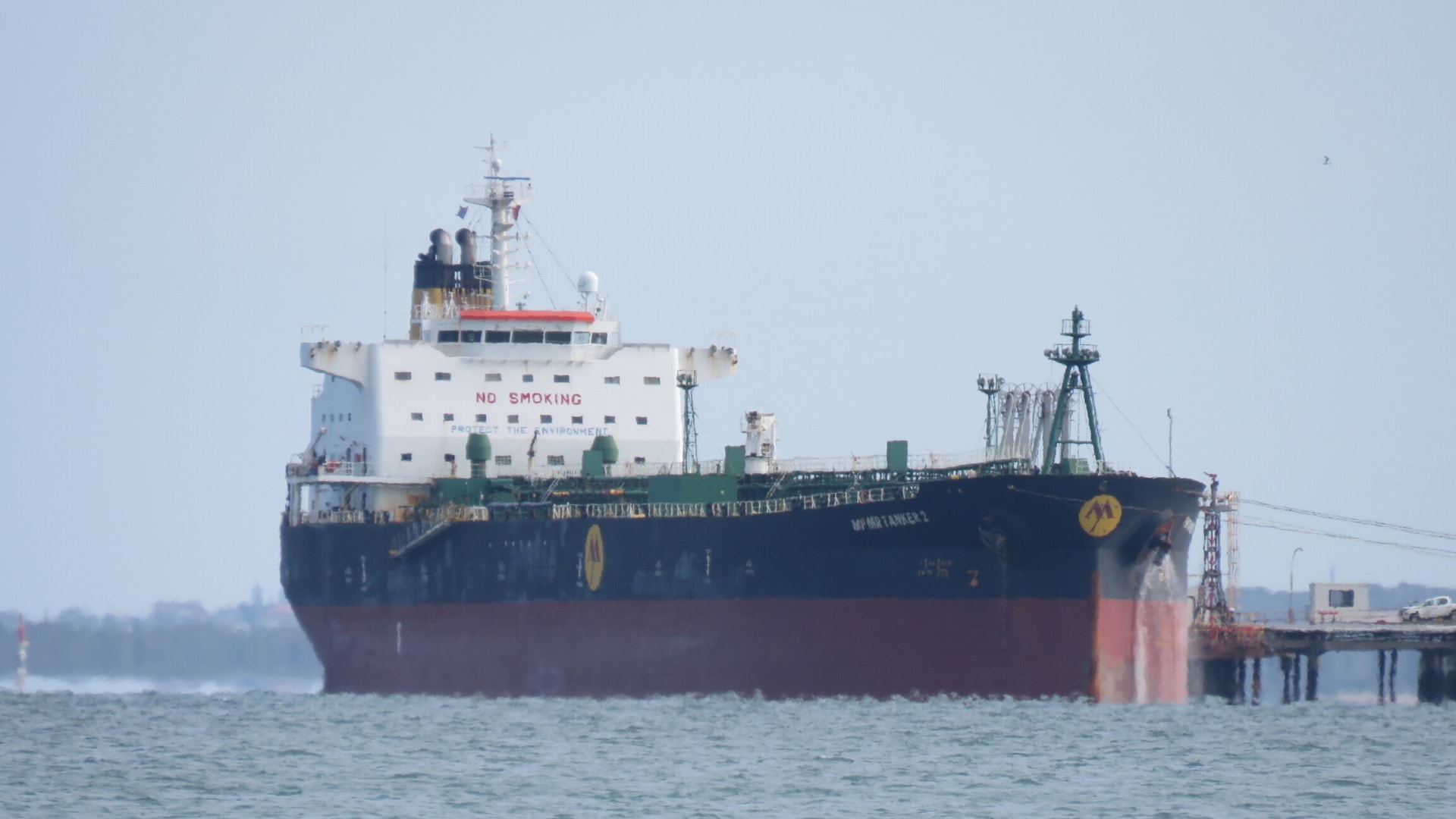
Today’s ESG Updates
- COP30 Carbon Border Levy: Developing countries question the EU’s carbon border levy, raising trade concerns.
- U.S. Disclosure: U.S. court pauses California’s climate risk reporting law ahead of its first deadline.
- Energy Security: EU lawmakers oppose exemptions for landlocked states in the Russian energy phaseout.
- Banking: The ECB issues its first climate risk fine, penalising Abanca for late reporting.
Countries question EU carbon border levy during COP30 climate discussions
The European Union is under pressure at COP30 as several countries question its new carbon border levy and other green trade measures. India, China, and a group of developing countries have raised concerns that the carbon border adjustment mechanism (CBAM) and related EU policies risk acting as protectionist tools by increasing costs for exporters. EU officials insist CBAM is a climate measure designed to prevent carbon leakage and support domestic decarbonisation, not restrict trade. Brazil, the summit host, has floated the idea of regularly reviewing such measures under the U.N. climate talks. The EU opposes this proposal, arguing that trade disputes should remain with the World Trade Organisation. Amid ongoing tensions, EU negotiators say they are willing to discuss how carbon pricing and border measures can align with fair-trade principles. As similar policies spread, debate on shared standards and their impact on developing economies is set to intensify.
***
Further reading: EU strains to defend carbon levy as trade tensions engulf COP30
California climate risk disclosure law put on hold by U.S. court

A U.S. appeals court has temporarily blocked a California law that would require large companies to disclose climate-related financial risks, just ahead of its first reporting deadline. The ruling suspends SB 261, which obliges companies with more than $500 million in revenue operating in California to publish climate risk reports. A separate law, SB 253, requiring major firms to disclose their direct and value-chain greenhouse gas emissions, remains on track to take effect in 2026. The U.S. Chamber of Commerce challenged both measures, claiming they force businesses to make subjective statements and violate free speech protections. The pause on SB 261 will stay in place while the appeal is heard in 2026. The Chamber welcomed the decision and reiterated its opposition to California setting de facto national disclosure standards.
***
Further reading: U.S. Court Pauses Implementation of California Climate Reporting Law
Klimado – Navigating climate complexity just got easier. Klimado offers a user-friendly platform for tracking local and global environmental shifts, making it an essential tool for climate-aware individuals and organizations.
EU Parliament pushes back against exemptions in Russian energy phaseout
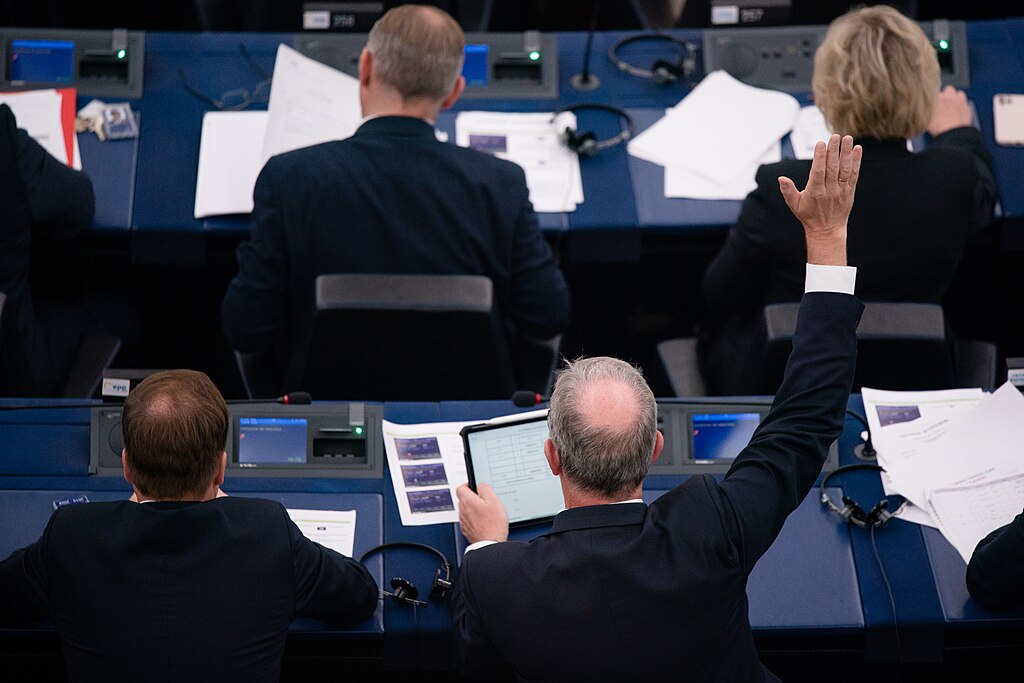
The European Parliament is pushing back against plans to grant exemptions for landlocked member states in an EU-wide phaseout of Russian oil and gas. Lawmakers argue that allowing countries such as Hungary and Slovakia to maintain access to Russian supplies in emergencies would weaken efforts to remove Moscow from the EU’s energy mix. Parliament has called for a full ban on Russian fossil fuel imports by 2027, stricter than the European Commission’s proposal and the position of several governments. Russian gas now accounts for about 12% of EU imports, down from 45% in 2021. Yet, parliamentarians note that payments to Russia remain substantial. Some members point to new pipeline projects in Southeast Europe as alternatives for landlocked states. However, governments warn that these routes are not yet fully ready. Talks between the Parliament, the Commission, and national governments are ongoing as they seek a compromise on timing and flexibility.
***
Further reading: European Parliament rejects Russian energy ban exemptions for landlocked countries

Abanca issued first ever ECB climate risk fine
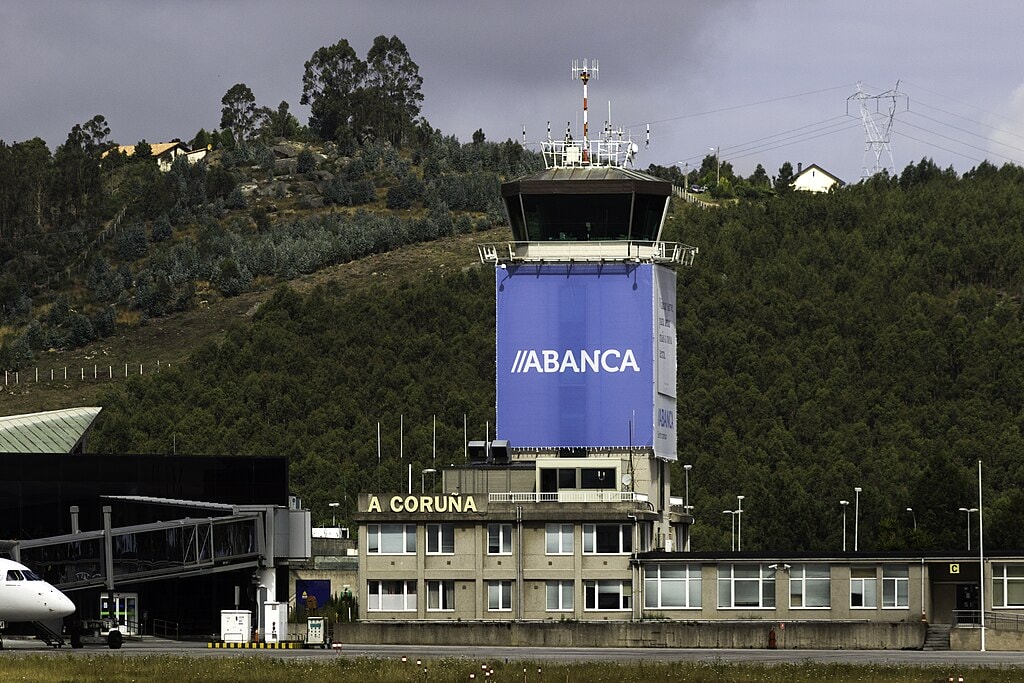
The European Central Bank (ECB) has issued its first penalty linked to climate risk oversight, fining Spanish bank Abanca €187,650 for failing to complete its assessment of climate and environmental risks on time. The bank delivered the analysis 65 days after the ECB’s March 2024 deadline. The sanction follows several years of ECB efforts to ensure eurozone banks properly assess exposures to extreme weather and environmental pressures. Most of the 22 banks the ECB asked to address shortcomings met the deadlines set after 2022’s climate stress test, which identified gaps across the sector. Policy groups said the fine underscores the ECB’s intention to enforce climate risk oversight as new EU guidance on ESG risk management takes effect in 2026.
***
Further reading: ECB issues first ever climate risk fine to Spanish bank
Editor’s Note: The opinions expressed here by the authors are their own, not those of impakter.com — Cover Photo Credit: Max Zhang