Today’s ESG Updates
- US Calls for Doubling Global Oil Output at Davos: At the World Economic Forum in Davos, the U.S. energy secretary argued that global oil production must more than double, criticising EU and California climate regulations as barriers to energy security.
- China Defends Wind Power Strategy After Trump Criticism: China pushed back against U.S. criticism at Davos, saying it has led global wind power capacity for 15 consecutive years and remains committed to the low-carbon energy transition.
- Indonesia Revokes China-Backed Hydropower Permit: Indonesia’s president cancelled permits for a China-backed hydropower project in Sumatra over environmental concerns, with officials saying the energy ministry was not consulted.
- Oil Prices Slip as Trump Tones Down Geopolitical Threats: Oil prices fell after President Trump softened rhetoric on Greenland and Iran, easing supply risk concerns as markets reassessed global demand and inventory levels.
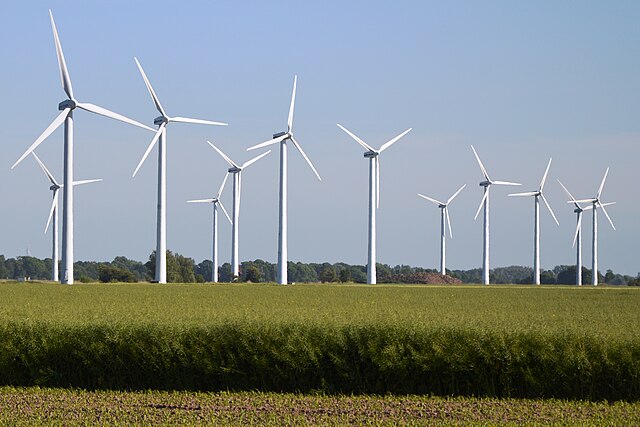
China defends wind power leadership after criticism at Davos
China defended its wind power strategy at the World Economic Forum after criticism from U.S. President Donald Trump, reaffirming its commitment to the global low-carbon transition. Beijing said China has ranked first worldwide for installed wind capacity for 15 consecutive years and that exports of wind and solar technologies have helped other countries cut billions of tonnes of carbon emissions. Officials rejected claims that China lacks domestic wind farms, calling its renewable energy progress well documented. The exchange highlights growing geopolitical friction around clean energy supply chains, subsidies, and trade, even as renewables continue to expand globally.
***
Further reading: Davos: China defends wind power strategy after Trump’s criticism
US energy chief urges oil production expansion at Davos, criticises EU green rules

The United States’ energy secretary called for the world to more than double oil production during remarks at the World Economic Forum in Davos, arguing that oil and gas will remain essential for decades. Speaking alongside industry leaders, Chris Wright criticised European Union climate regulations and California’s energy policies, saying they discourage investment and risk undermining transatlantic energy cooperation. He pointed in particular to EU methane reporting requirements and recently weakened corporate sustainability rules. The comments highlight growing tension between fossil fuel security priorities and climate-driven regulation at a time of heightened geopolitical and energy market uncertainty.
***
Further reading: US energy secretary calls for doubling global oil output in Davos
Klimado – Navigating climate complexity just got easier. Klimado offers a user-friendly platform for tracking local and global environmental shifts, making it an essential tool for climate-aware individuals and organizations.
Indonesia revokes China-backed hydropower permit without energy ministry consultation
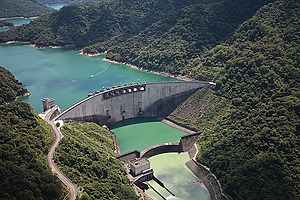
Indonesia’s energy ministry said it was not consulted before President Prabowo Subianto revoked the permit for a China-backed hydropower project in Sumatra, raising questions about governance and decision-making in major energy projects. The revoked permit applies to PT North Sumatra Hydro Energy, which operates the Batangtoru hydropower plant and is controlled by SDIC Power Holdings Co Ltd. The move was part of a broader action against 28 companies accused of environmental violations linked to deadly floods. Environmental groups have long criticised the project for damaging sensitive ecosystems, highlighting ongoing tensions between renewable energy development, environmental protection, and regulatory transparency.
***
Further reading: Indonesian president did not consult with energy ministry when revoking China-backed hydro permit, official says

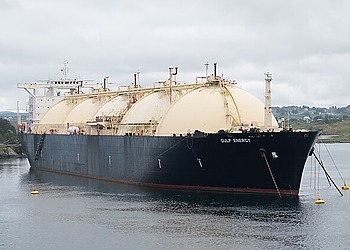
Oil prices slip as Trump eases Greenland and Iran tensions
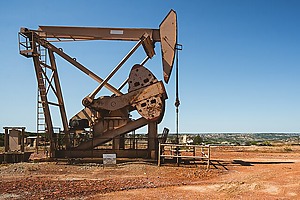
Oil prices fell as U.S. President Donald Trump softened earlier threats linked to Greenland and Iran, reducing geopolitical risk premiums in energy markets. Investors also weighed updated supply and demand signals, including higher U.S. crude inventories and revised forecasts from the International Energy Agency, which raised its outlook for global oil demand growth in 2026. Analysts said easing fears around sanctions, trade tensions, and potential military action have contributed to a more stable price outlook near $60 per barrel. The shift highlights how political rhetoric, energy security, and market fundamentals continue to shape global oil prices.
***
Further reading: Oil slips as Trump tones down threats against Greenland and Iran
Editor’s Note: The opinions expressed here by the authors are their own, not those of impakter.com — Cover Photo Credit: Wikimedia Commons