
Today’s ESG Updates
- Apple Inks $500M Rare Earth Deal: Long-term pact with MP Materials secures recycled, China-free magnets for future Apple devices
- UK Reforms Current Energy Scheme: New 20-year terms and auction reforms aim to fast-track Britain’s offshore wind expansion
- Trump Slaps 19% Tariff on Indonesia: U.S. tariff move risks global trade tension as EU readies €72B in retaliatory duties
- EU Fast-Track Sparks Watchdog Probe: Ombudsman demands explanation for rushed deregulation and lack of impact analysis
Klimado – Navigating climate complexity just got easier. Klimado offers a user-friendly platform for tracking local and global environmental shifts, making it an essential tool for climate-aware individuals and organizations.
Apple signs multimillion-dollar deal for rare earth magnets
Apple has signed a $500M deal with MP Materials for a supply of rare earth magnets, and is now one of the first tech companies to sign a U.S. supply agreement after China ceased exports earlier this year. This deal guarantees Apple a steady flow of rare earths and magnets free from China. Specifically, it requires that the rare earth magnets be produced from recycled material, which aligns with Apple’s goals of reducing reliance on the mining industry. Apple will prepay MP Materials $200M for a supply of magnets scheduled to begin in 2027. This deal is part of Apple’s $500B four-year investment commitment to the U.S., and the deal supplies magnets for hundreds of millions of devices, contributing significantly to Apple’s product lines. To stay informed on industry trends and developments, companies can rely on ESG solutions.
***
Further reading: Apple inks $500 million rare earth magnet deal to bring supply back to US
Britain’s energy scheme undergoes refinement to accelerate clean power projects
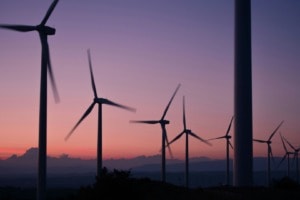
The British government has recently made changes to its main scheme, which promotes clean energy projects, by extending contract lengths and changing how auction budgets are set to accelerate the roll-out of renewable energy. Britain’s plans to decarbonise its electricity sector by 2030 are heavily reliant on offshore wind. Despite the government’s predictions of challenges, there are plans to increase its current capacity from 15GW to 43-50GW by the end of the decade. Under the new rules, contracts for offshore wind, onshore wind, and solar projects will be extended from 15 years to 20 years, as the longer terms will spread costs over a longer period for consumers while providing greater certainty for investors. The way auction budgets are determined will also change, and the energy minister will now be able to view developer bids before setting the final budget, which allows for more accurate capacity procurement and ensures better value for money for consumers.
***
Further reading: Britain reforms energy scheme to accelerate clean power projects
Trump sets new 19% tariffs on Indonesian goods while the EU prepares retaliatory measures
Trump recently announced that the U.S. will impose a 19% tariff on goods from Indonesia. U.S. exports increased by 3.7% last year while imports from Indonesia were up by 4.8%, which left the U.S. with a goods trade deficit of nearly $18B. Trump had threatened Indonesia with a 32% tariff rate effective from August 1 in a letter sent last week. He has sent similar letters to almost two dozen trading partners in July, specifying tariff rates that ranged from 20% to 50%. Meanwhile, the European Commission is set to target €72B worth of U.S. goods for possible tariffs if trade talks with Washington fall through. Trump is currently threatening a 30% tariff on EU imports from August 1. European officials state that this is unacceptable, and it may end normal trade between two of the world’s largest markets. Officials state that they are seeking a deal to avoid the heavy tariffs, but the EU trade chief, Maros Sefcovic, said that there were expressions of unprecedented resolve to protect EU businesses using European countermeasures if negotiations with Washington are unsuccessful.
***
Further reading: Trump sets 19% tariff on Indonesia goods in latest deal, EU readies retaliation
Watchdog demands an explanation from the EU about the speed of regulatory proposals
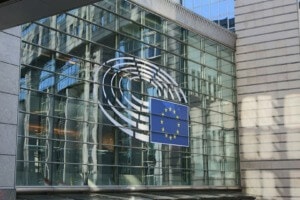
The EU Ombudsman has responded to complaints and demands that the European Commission explain why it had fast-tracked its proposals to curb them. In February, the Commission introduced legal changes to exempt thousands of smaller European businesses from EU reporting rules on sustainability. The EU watchdog demanded that the Commission explain why it did not perform a full impact analysis on these proposals, consult with the public about the changes or assess if the proposals are in line with Europe’s commitments to climate change. Additionally, the Commission only gave its departments 24 hours to evaluate the plans, instead of the usual 10-day consultation period. The EU Ombudsman has stated that the Commission has not adequately justified derogating its rules, nor has it indicated any sudden or unanticipated event which would warrant the urgency. The Commission is due to respond by September 15, but has said that it will answer the questions and make rapid changes. Companies can turn to ESG tools to learn more about key regulations and policies.
***
Further reading: Watchdog asks EU to explain the speed at which it proposes to reduce green rules
Editor’s Note: The opinions expressed here by the authors are their own, not those of impakter.com — In the cover photo: Apple store logo, Jul. 15, 2019. Cover Photo Credit: Laurenz Heymann