Today’s ESG Updates
- Amazon Restores Water: New projects in the US, UK, and Mexico aim to restore over 2 billion liters per year, backing AWS’s water positive by 2030 goal.
- Rio Tinto Backs Green Iron: $35m with Calix for an Australia demo using electric heat and hydrogen, targeting up to 30,000 tonnes a year.
- Europe’s Nuclear Comeback: Czechia picks KHNP for a €16.4bn Dukovany expansion, targets 50–60% nuclear power by 2050 and a 2033 coal exit.
- France Birds: Insect-eating species edge up 2–3% after the 2018 neonic ban, recovery could take decades.
Amazon Unveils Global Water Projects to Restore 2bn+ Liters Annually
Amazon rolled out four water replenishment projects that together are expected to restore over 2 billion liters per year, supporting its aim for AWS to be water positive by 2030. With these additions, Amazon now backs 22+ nature focused projects projected to replenish or improve over 11 billion liters annually. Highlights include: near Guadalajara, Mexico, nature based fixes to curb runoff and add 150 million liters per year to the Santiago River basin; in New Mexico, helping the Rio Grande sustain critical flows for wetlands and endangered species during drought; in North Carolina, restoring 20,000 acres of longleaf pine that helps infiltration and yields 1.6 million cubic meters of water a year; and in the UK, work with The Rivers Trust to reconnect parts of the Thames River Basin to its floodplain to improve water quality, flood management, and habitat. Amazon says interventions like wetlands and healthy soils deliver reliable, lower cost water benefits compared with engineered fixes.
***
Further reading: Amazon Launches New Projects to Restore Over 2 Billion Liters of Water per Year
Rio Tinto Backs New Green‑Iron Plant
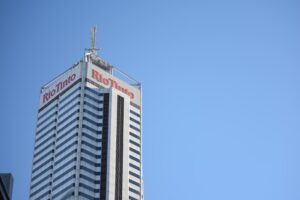
Rio Tinto will invest A$35 million (US$23m) with Australian tech company Calix to build a green-iron demonstration plant. The plant will use electric heating and hydrogen instead of coal to make iron, helping clean up steelmaking (about 7–9% of global fossil-fuel emissions). It will be built on the site first planned for BioIron and aims to produce up to 30,000 tonnes a year of hydrogen-reduced iron (DRI/HBI). A final investment decision is due in 2026. Calix says Zesty can use less hydrogen, run on wind/solar, and work with lower-grade ores, which can cut costs and emissions. At the same time, Rio Tinto will pause its BioIron project (biomass + microwaves) to improve the furnace design, but research continues. The project may receive up to $44.9m from ARENA (with matched funding). If built, Rio Tinto will provide technical support, help find buyers, and supply up to 10,000 tonnes of Pilbara ore for start-up tests.
***
Further reading: Rio Tinto Invests $23 Million in Green Iron Plant, Pauses “BioIron” Project
Klimado – Navigating climate complexity just got easier. Klimado offers a user-friendly platform for tracking local and global environmental shifts, making it an essential tool for climate-aware individuals and organizations.
Czechia Bets Billions on New Reactors as Europe’s Nuclear Comeback Accelerates

Czechia is doubling down on nuclear to replace coal and stabilise power prices. South Korea’s KHNP won the tender to build two reactors (>1 GW each) at Dukovany, due online in the late 2030s, complementing four existing 512-MW units. The deal includes an option for two more units at Temelín, with small modular reactors to follow. Government support underpins the €16.4bn ($19bn) project: an 80% state stake, a 30-year loan to be repaid by utility ČEZ, and a 40-year price guarantee—subject to EU approval. Today, about 40% of Czech power is nuclear and 40% coal; the plan is 50–60% nuclear by 2050 and a coal phase-out by 2033. The move reflects a wider EU nuclear revival (taxonomy inclusion, 24% of EU electricity in 2024), with Belgium and Sweden reversing phase-outs, Poland–Westinghouse advancing three units, and the UK funding Sizewell C (£14.2bn). Security and supply chains have shifted too: Rosatom and China’s CNG were excluded from bidding; Westinghouse and Framatome will supply fuel, while KHNP covers 10 years for the new units. Critics cite high costs, waste and Austria’s continued opposition, but Prague argues new nuclear is essential to meet climate goals.
***
Further reading: Europe’s nuclear comeback: Czechia invests billions in reactors to replace coal dependence

France’s Insect-Eating Birds Show Early Uptick After Neonic Ban

France’s first nationwide analysis since the 2018 EU ban on neonicotinoids finds insect-eating birds — including blackbirds, blackcaps and chaffinches — up 2–3% by 2022. Researchers examined 57 species across 1,900 monitoring sites and found that, before the ban, neonic-treated areas had ~12% fewer insectivorous birds than non-treated sites. Scientists say the weak but meaningful gains likely reflect reduced pressure on insect prey, though neonics persist in soils, so a decades-long recovery is expected. The UK also banned most outdoor uses in 2018 (with limited exemptions), while the US still allows widespread use and has lost ~3 billion insect-eating birds since the 1970s. Some experts urge caution, noting other drivers — habitat and climate — also affect populations and calling for continued long-term monitoring. Overall message: bans work, but restoring birdlife requires time, sustainable farming, and habitat investment.
***
Further reading: France’s birds start to show signs of recovery after bee-harming pesticide ban
Editor’s Note: The opinions expressed here by the authors are their own, not those of impakter.com —Cover Photo Credit: BoliviaInteligente