
Today’s ESG Updates:
- AI’s Climate Dilemma: AI aids sustainability but raises energy concerns responsible development is key.
- Carlyle vs. Nidec: Carlyle may counter Nidec’s $1.8B hostile bid for Makino
- Port Fee Relief: U.S. eases fees on China-built ships to boost domestic shipbuilding.
- Toyota Shift: Toyota may build next-gen RAV4 in Kentucky to dodge tariffs.
AI Emerges as Both Climate Ally and Environmental Risk
AI is transforming industries, offering solutions to combat climate change like optimising transport, utilities, and agriculture to reduce emissions. However, its rapid growth raises concerns, as training models consume massive energy, often sourced from fossil fuels. The environmental impact of AI depends on how responsibly it’s developed and used. While startups and utilities use AI for greener practices, the burden lies on developers to ensure AI advances sustainability rather than exacerbates the climate crisis. Explore solutions on our ESG Marketplace. Investors can utilize the ESG index to make informed, impactful investment decisions.
***
Further reading: As AI Grows, Data Centres Face Soaring Energy Demand
Carlyle Considers White Knight Role in Makino’s $1.8B Takeover Battle
Private equity firm Carlyle is in talks with Japan’s Makino Milling Machine as a potential white knight to counter Nidec’s $1.81 billion hostile takeover bid. Nidec launched its unsolicited offer on April 4, prompting Makino to adopt a poison pill defense. Carlyle, MBK Partners, and NSSK had shown interest, but NSSK had withdrawn. It remains uncertain if Carlyle will make a formal bid. The rare hostile move underscores Japan’s increasingly aggressive dealmaking landscape.
Photo Credit: Wikimedia Commons
***
Further reading: Carlyle in white knight talks with Makino, say sources, as Nidec takeover battle heats up
U.S. Eases Proposed Port Fees on China-Built Vessels to Support Domestic Shipbuilding
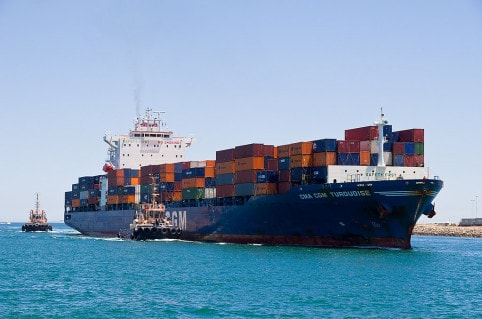
The Trump administration has eased proposed port fees on China-built vessels, exempting U.S. exporters and domestic routes to support shipbuilding. Initially suggesting fees up to $1.5 million per port call, the revised rule imposes charges based on tonnage or containers unloaded, starting October 14. The move aims to counter China’s dominance in global shipping while avoiding trade disruptions. U.S.-based carriers like Matson benefit, while LNG carriers and ro-ro operators receive long transition periods or conditional relief.
Photo Credit: Wikimedia Commons
***
Further Reading: United States eases port fees on China-built ships after industry backlash
_____________________________________________________________________________________
Toyota Considers U.S. Production for Next-Gen RAV4 to Mitigate Tariff Impact
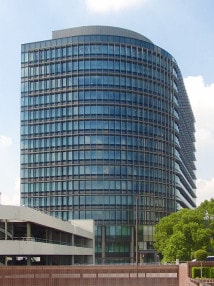
Toyota is considering producing the next version of its top-selling RAV4 SUV in Kentucky, instead of importing it from Canada and Japan, to mitigate the impact of U.S. tariffs on imported vehicles. The automaker aims to reduce costs from the 25% tariffs and currency fluctuations. Production in Kentucky could begin in 2027, while Toyota’s output in Canada is expected to remain unchanged. The RAV4 was the best-selling vehicle in the U.S. last year, surpassing the Ford F-150. To track developments like these and navigate the evolving landscape of Business investments, see ESG solutions.
Photo Credit: Wikimedia Commons
***
Further reading: Exclusive: Toyota weighs adding US production of new RAV4 in response to tariffs, sources say
Editor’s Note: The opinions expressed here by the authors are their own, not those of impakter.com — Cover Photo Credit: Igor Omilaev