
Today’s ESG Updates
- AI Offsets: Big Tech demand for durable carbon removals fuels a shortage.
- Aviation: DHL will buy 314M liters of green jet fuel from Phillips 66 to cut emissions.
- EUDR: Nestlé, Mars, Ferrero urge the EU not to delay the deforestation law.
- Ocean Plastics: Tiny amounts can be deadly — new study finds fatal thresholds for seabirds, turtles and marine mammals.
AI Boom Spurs Shortage of Durable Carbon Removal Credits
Surging demand from tech giants to offset AI-linked emissions is squeezing supply of durable carbon removal credits (biochar, DAC, land restoration). Prices are now about 4× higher than forest-preservation offsets. Since 2019, companies have spent hundreds of millions, with combined spot buys and offtakes topping $10B (CDR.fyi). In 2024, buyers purchased 8 Mt of durable removals; in 2025 YTD, 25 Mt—yet <1 Mt has actually been issued, mostly biochar, pushing buyers toward long-term offtakes (Isometric/Patch). Patch says ~33% of requests seek biochar but <20% close; reforestation requests 25%, sales 12%. To secure supply, Pure Data Centres Group will invest £24m in a U.K. biochar plant (Wiltshire), scaling in ~18 months to 18,500 t/yr, with three more sites planned. Microsoft says large offtakes “unlock a virtuous cycle” by anchoring projects; Alphabet declined comment. As AI expands data-center footprints—often on fossil power—demand signals are strengthening.
***
Further reading: Big Tech offsetting AI-linked emissions leaves carbon credits in short supply
DHL to Purchase 314 Million Liters of SAF
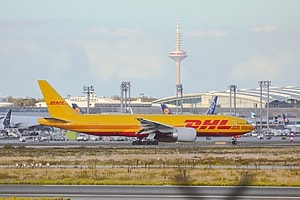
DHL will buy 314 million liters of sustainable aviation fuel (SAF) over three years from Phillips 66. The SAF will be delivered mainly to Los Angeles International Airport (LAX), with other West Coast airports to follow. DHL says this fuel could cut about 737,000 tons of CO₂ versus regular jet fuel. The SAF will come from the Rodeo Renewable Energy Complex in California, one of the world’s largest renewable fuel sites, which can make up to 150 million gallons of SAF a year. This deal supports DHL’s climate plan: invest €7 billion this decade, reach net zero by 2050, use >30% sustainable fuels across all transport modes and electrify two-thirds of last-mile vans by 2030. It will also expand GoGreen Plus, DHL’s “insetting” service that helps customers lower Scope 3 emissions using SAF. DHL calls the agreement a big step toward cleaner air cargo. Phillips 66 says it shows both companies’ push to build the SAF market in the U.S.
***
Further reading: DHL to Purchase More than 300 Million Liters of Sustainable Aviation Fuel from Phillips 66
Klimado – Navigating climate complexity just got easier. Klimado offers a user-friendly platform for tracking local and global environmental shifts, making it an essential tool for climate-aware individuals and organizations.
Nestlé, Mars Urge EU: Don’t Delay the Deforestation Law
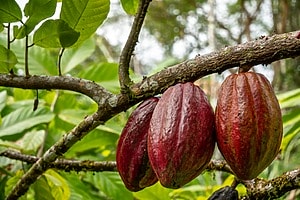
Major brands — including Nestlé, Mars Wrigley, Ferrero and others — asked EU lawmakers to avoid new delays to the EU Deforestation Regulation (EUDR). They warn that a ‘stop-the-clock’ or open-ended review would extend legal uncertainty, penalize early movers, and undermine the EU’s credibility with producer countries. The European Commission still plans entry into force end-2025, with a 6-month enforcement grace for large firms and SMEs covered end-2026; it also proposed simplifying reporting by focusing statements on companies that first place products on the EU market. Brands support streamlining but say some tweaks could add burdens for downstream players. They propose: only first placers file statements, while all companies must keep due-diligence systems, act on substantiated concerns, and keep supplier/buyer records. A Parliament vote on the package is next week. The EUDR covers commodities like palm oil, beef, timber, coffee, cocoa, rubber, soy (and products like leather, chocolate, tires, furniture).
***
Further reading: Nestlé, Mars Warn that Delaying EU Deforestation Law Would Create Uncertainty, Disengagement

‘Existential Threat’: Small Doses of Ocean Plastic Can Kill Marine Life
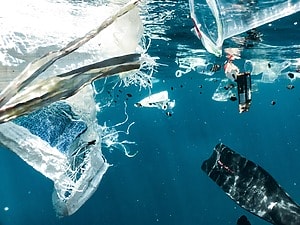
New research led by Ocean Conservancy warns that ocean plastics pose an “existential threat” to marine biodiversity — and that very small amounts can be fatal. Scientists analyzed 10,412 autopsies: 1,537 seabirds (57 species), 1,306 sea turtles (7 species) and 7,569 marine mammals (31 species). Plastics were present at death in 47% of turtles, ~33% of seabirds, and 12% of marine mammals. For seabirds like Atlantic puffins, <3 sugar cubes of plastic implies a 90% chance of death; for turtles (e.g., loggerheads), just over two baseballs; for marine mammals (e.g., harbor porpoises), about one football. Rubber & hard plastics are especially deadly for seabirds; soft plastics & fishing gear hit marine mammals hardest; turtles are vulnerable to both. An estimated 11 million tonnes of plastic enter the ocean each year — roughly a truckload a minute. Authors say these thresholds can guide science-based targets and policy.
***
Further reading: ‘Existential threat’: How small doses of ocean plastic are killing off marine life
Editor’s Note: The opinions expressed here by the authors are their own, not those of impakter.com — Cover Photo Credit: Growtika