Today’s ESG Updates
- Discarded Christmas Trees Reused to Protect Coastline: Volunteers in Lancashire have been burying discarded Christmas trees to restore natural sand dunes on the Lancashire coast.
- Forever Chemicals Pollute Cumbria and Lancashire Waters: High levels of perfluorooctane sulfonate (PFOS) have been detected in water in Cumbria and Lancashire, potentially affecting drinking water quality.
- Eni Confirms Oil Discovery in Angola: Eni has confirmed the discovery of 500 million barrels of oil off the coast of Angola, though the longevity of the new block depends on how much can be recovered.
- SkyNRG Secures Funding to Build Sustainable Aviation Fuel Plant: SkyNRG to use used cooking oil and other waste fats to create sustainable aviation fuels with the aim of decarbonising the aviation industry.
Discarded Christmas trees reused to protect coastline
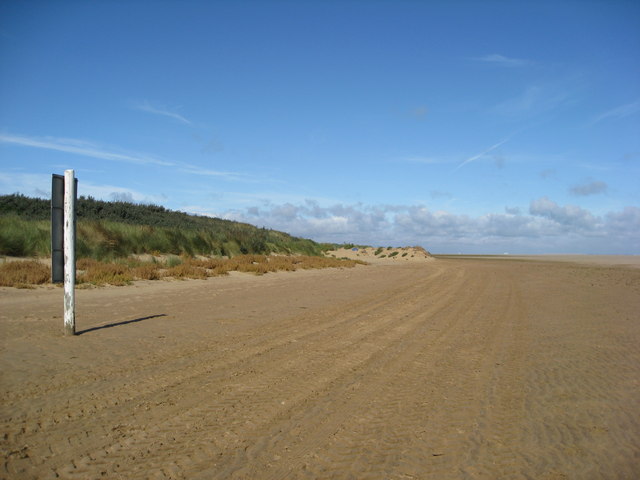
Discarded Christmas trees are being buried along the coast of Lancashire, England, to rebuild dunes that now form “the only form of sea defence that the local community has,” according to Amy Pennington of Lancashire Wildlife Trust. Tens of thousands of tinsel-free trees, collected after Christmas and laid in shallow trenches south of Blackpool, quickly trap sand, and within weeks, or sometimes days, they morph into dunes to protect homes on the seafront amid rising sea levels and more frequent storm surges.
For context, Lancashire has already lost about 80% of its dunes since the mid-1800s, while the UK as a whole has lost roughly 30% since 1900 as sea levels have risen by about 19.5cm. The project now involves hundreds of volunteers a year. It has also enabled the reintroduction of one of the UK’s rarest reptiles, as council conservation manager Andy Singleton-Mills states, “Each year we’ve spotted more sand lizards, which means they’re breeding on the dunes.” Artist Holly Moeller adds a human dimension, warning that people are “in danger of taking them for granted” and describing the dunes as a place of solace during mental health struggles. The project is an example of natural coastal and flood management that uses organic waste to restore a dynamic, nature-based barrier that attenuates wave energy, buffers storm surges, and reduces reliance on hard sea walls.
***
Further reading: Tinsel to tidewall: discarded Christmas trees reused to protect Lancashire coastline
Klimado – Navigating climate complexity just got easier. Klimado offers a user-friendly platform for tracking local and global environmental shifts, making it an essential tool for climate-aware individuals and organisations.
Forever chemicals pollute Cumbria and Lancashire waters
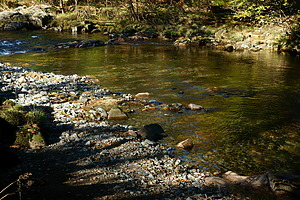
High levels of a banned cancer‑linked “forever chemical” called perfluorooctane sulfonate (PFOS) have been found at 25 river and groundwater sites in Cumbria and Lancashire, with one sample reaching 3,840 ng/L (nanograms/litre), far above the 100 ng/L drinking water guideline for 48 PFAS chemicals combined. A local business using a private well says it only heard about the problem “unofficially” from someone at the Environment Agency and has had “no help, no advice, no support of any kind.” In contrast, the council reportedly said it “wished I had not been told.”
An Environment Agency report suggests several possible sources, including a former Beetham paper mill that used PFAS (forever chemicals), landfills, sewage works, fire stations, and discharges from caravan parks. However, the mill’s new owner says, “There has been no use of PFAS-based chemicals on site” since buying it in 2025. Campaigners call the government’s new PFAS action plan “a roadmap to nowhere” because it lacks firm phase-out dates and does not align with the EU’s proposed ban. At the same time, Water UK wants a full PFA ban, and NGOs argue these long‑lasting chemicals “should not be in our drinking water, our food, or our bodies.”
***
Further reading: Trump Administration Erases the Government’s Power to Fight Climate Change
Related Articles
Here is a list of articles selected by our Editorial Board that have gained significant interest from the public:
Eni confirms oil discovery in Angola
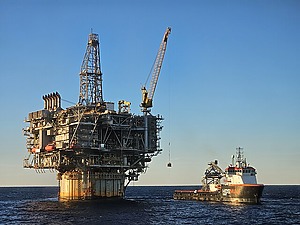
Eni has announced a “significant oil discovery” at the Algaita-01 well in Block 15/06 offshore Angola, estimating around 500 million barrels of oil in place in high-quality Miocene sandstone reservoirs. The well was started on 10 January 2026 in 667 metres of water and included detailed data and fluid sampling to confirm the quality of the oil and the reservoir.
The discovery sits only about 18 km from the existing Olombendo FPSO, which Eni highlights as a major plus because “the presence of existing nearby production infrastructure” makes future development faster and more attractive. The block is operated by Azule Energy (owned in equal parts by Eni and bp), together with partners SSI and Sonangol E&P, and Eni presents the find as proof of the strength and continued potential of its Angolan upstream portfolio.
***
Further reading: Eni confirms the significant oil discovery in Algaita-01, offshore Angola

SkyNRG secures funding to build sustainable aviation fuel plant
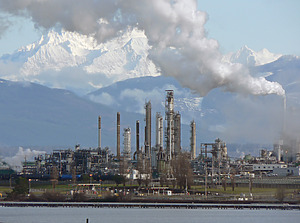
Amsterdam-based SkyNRG has secured funding from Macquarie and Dutch pension investor APG to build the Netherlands’ first major sustainable aviation fuel (SAF) plant, with KLM lined up as the main customer.
The plant will use used cooking oil and other waste fats to produce about 100,000 tonnes of SAF a year, plus 35,000 tonnes of renewable byproducts like propane, butane, and naphtha. It is expected to start operating around mid‑2028 and could cut lifecycle emissions by more than 80% at first, rising above 90% as the Dutch energy system greens. CEO Maarten van Dijk summed up the stakes clearly: “It is crucial that we increase the global production of SAF to enable future generations to have the ability to fly when needed,” stressing that SAF is “vital” for decarbonising the aviation industry.
***
Further reading: SkyNRG Secures Funding to Build Netherlands’ First Sustainable Aviation Fuel Plant
Editor’s Note: The opinions expressed here by the authors are their own, not those of impakter.com — In the Cover Photo: Sand dunes in Lancashire, England. Cover Photo Credit: Wikimedia Commons