Impakter
  • Environment
    • Biodiversity
    • Climate Change
    • Circular Economy
    • Energy
  • FINANCE
    • ESG News
    • Sustainable Finance
    • Business
  • TECH
    • Start-up
    • AI & Machine Learning
    • Green Tech
  • Industry News
    • Entertainment
    • Food and Agriculture
    • Health
    • Politics & Foreign Affairs
    • Philanthropy
    • Science
    • Sport
  • Editorial Series
    • SDGs Series
    • Shape Your Future
    • Sustainable Cities
      • Copenhagen
      • San Francisco
      • Seattle
      • Sydney
  • About us
    • Company
    • Team
    • Global Leaders
    • Partners
    • Write for Impakter
    • Contact Us
    • Privacy Policy
No Result
View All Result
Impakter logo
No Result
View All Result
Could the COVID-19 Pandemic Give the 2020 Environmental Agenda a Much-Needed Boost?

Could the COVID-19 Pandemic Give the 2020 Environmental Agenda a Much-Needed Boost?

International Institute for Sustainable Development (IISD)byInternational Institute for Sustainable Development (IISD)
May 11, 2020
in Environment
0

COVID-19 has changed everything. But if we take the right steps and trust science, a lot of good can happen.



This year was supposed to be a turning point. The window to ramp up climate ambition, protect nature, and drive down emissions was open like never before. Now, the spread of the coronavirus disease has changed everything, including the international environmental agenda.


Related topics: Can climate talks regain momentum in 2020? – The Climate-Conflict Connection – Non-party actions will hold the key

The arcane world of face-to-face negotiations has largely ground to a halt. The timid signals of private financing finally turning green have been overwhelmed by the worst global economic meltdown in more than 30 years. The kinds of public meetings and demonstrations that gave Greta Thunberg and millions of others a voice are now banned. The attention of political leaders has now—rightly—shifted to saving lives from the global pandemic.

And yet there are ways in which, if we get it right, this crisis could not only reinforce the 2020 environmental agenda but give it a badly needed boost.

SCIENTISTS ARE IN THE SPOTLIGHT—LET’S KEEP THEM HERE

First, science and the opinions of experts are suddenly being given their true value. Politicians and business leaders are yielding the microphone and the formulation of policy advice to chief health officials. In the face of national emergencies, few are playing politics anymore with people’s lives, and those who do are being treated with well-deserved derision. We can hope that, once COVID-19 subsides, those scientists who warned of the public health, economic, and ecological consequences of global warming and the rapid loss of the planet’s biodiversity will be heeded.

We have the chance to turn a new round of stimulus spending “green” by focusing funds on actions that create employment, advance a just transition, address climate and biodiversity priorities, and help achieve the Sustainable Development Goals.

Second, we have the chance to turn a new round of stimulus spending “green” by focusing funds on actions that create employment, advance a just transition, address climate and biodiversity priorities, and help achieve the Sustainable Development Goals.

THE TIME FOR STRATEGIC SPENDING TOWARD A LOW-CARBON FUTURE IS NOW

It has long been said that meeting these public policy priorities would take an injection of trillions of dollars in public funding. Now that we are injecting trillions, we have a once-in-a-lifetime opportunity to ensure we fund the transition to a sustainable future while relaunching the economy. A significant proportion of this emergency funding ought to focus on a new generation of green investments, from expanding net-zero carbon energy and transport systems to increasing and funding protected areas and forging green food systems.

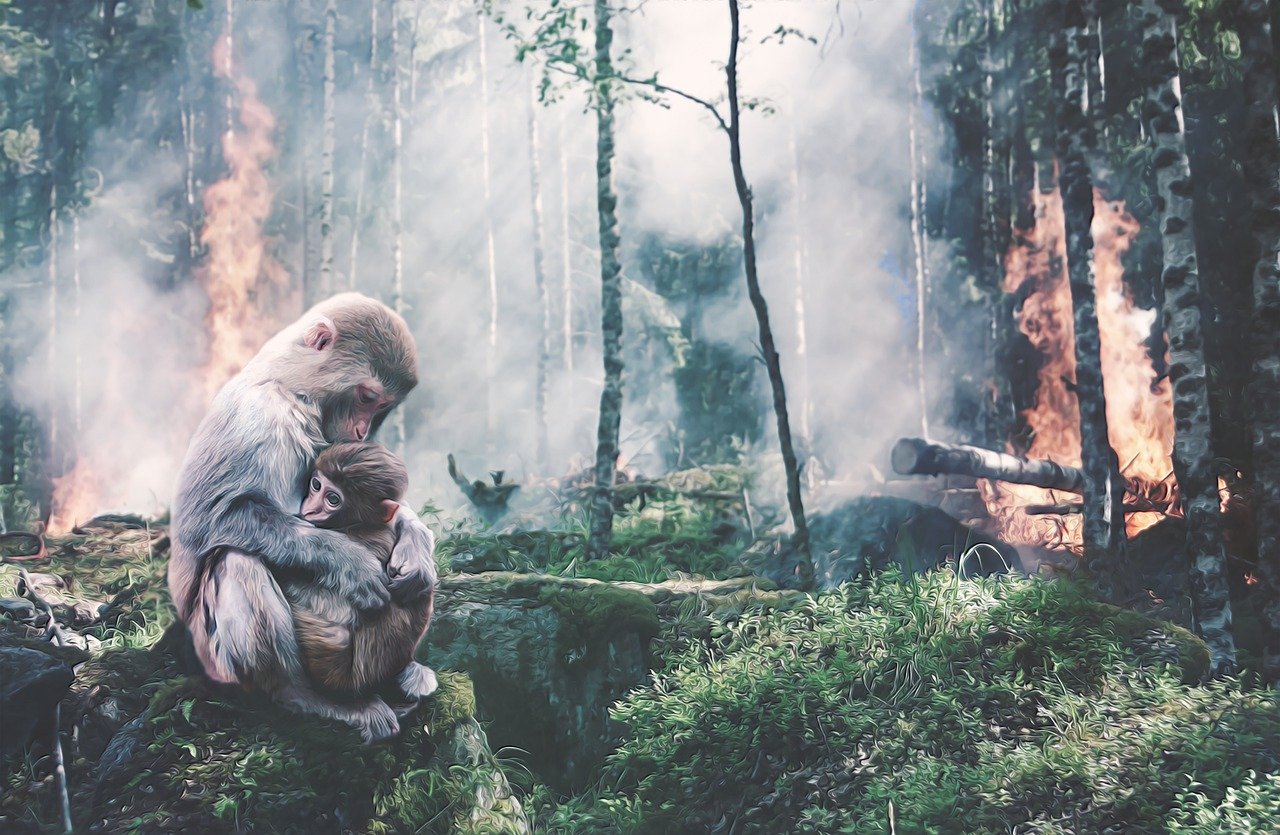
The third lesson is that we can redesign a global trading system that works within the natural order. It is likely that the virus—like so many zoonotic diseases—jumped from animal to man as a result of disturbed natural ecosystems and wildlife trade. The announcement by China and the European Union that they would shut down trade in wild animal species is long overdue. Yet the global pandemic will need to trigger even broader rethinking and a shift in priorities, so trade policy spends as much time mapping risks and halting trade in products and services that put millions at risk as pulling down barriers to trade. This could include restricting trade in carbon-intensive goods, plastics, waste, and other materials. The Amazonian forest fires of 2019 were ecological smoking guns for many global supply chains, including palm oil, timber, beef, and soy.

We can redesign a global trading system that works within the natural order

The pandemic also demonstrates that people and their individual and community actions matter. Rather than leaving mitigation and containment responses to others—other communities, other experts, other countries—families and communities have a direct way to help “flatten the curve.”



THE ROLE OF CONCERNED CITIZENS CAN NO LONGER BE IGNORED

This lesson lies at the heart of sustainability. Our future will be determined by the flights and trips we avoid, the household consumer goods we choose to purchase, the green electricity we use, and the zero waste actions we adopt. That will drive real change at scale.

A final lesson is about risk. This pandemic has shown that, when faced with immediate and acute health risks, people will respond. Yet, while many jurisdictions and cities declared a climate emergency, there is little evidence that responses looked much different from business-as-usual.

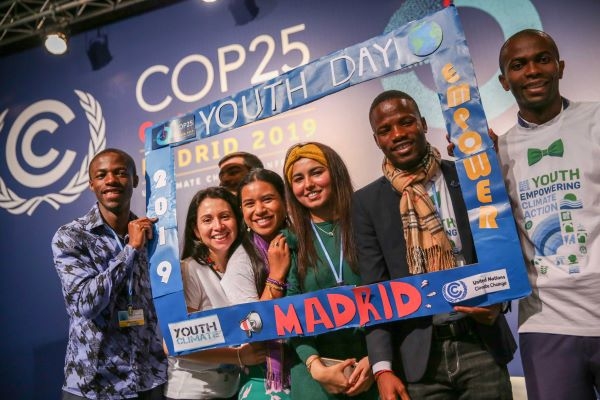
Perhaps now it will be different. With COP 26 delayed until early 2021 and postponements or cancelations of many other meetings and negotiations, the real test won’t be new agreements, new goals, new promises. The real test will be the actions of concerned people who trust science and want to do their share.


About the author: Mark Halle and Scott Vaughan are Senior Fellows at IISD


EDITOR’S NOTE: The opinions expressed here by Impakter.com columnists are their own, not those of Impakter.com. Photo Credit: IISD

Tags: Coronavirusenvironmental agenda
Previous Post

TWO PANDEMIC NOVELS FOR CATHARSIS AND RELIEF

Next Post

The Link between Climate Change, the Environment, and our Health.

Related Posts

coronavirus
Climate Change

Future Pandemic Could Be More Deadly, Says Creator of AstraZeneca Vaccine

Future pandemics could be more lethal than coronavirus, which proves the importance of learning lessons from the current pandemic, said...

byCharles Kershaw
December 8, 2021
COVID Hits Europe on Two Fronts: Protests and Rising Economic Pains
Future of Europe Series

COVID Hits Europe on Two Fronts: Protests and Rising Economic Pains

Demonstrations against stricter rules to combat the 4th wave of the virus swept across Europe and reached a peak this...

byClaude Forthomme - Senior Editor
November 22, 2021
covid pill
Health

Merck to Share Covid Pill Formula With Poor Countries

Merck, the American pharmaceutical company, has signed a royalty-free license waiver for their oral antiviral COVID drug molnupiravir. This will...

byCharles Kershaw
October 28, 2021
Africa’s Low Vaccine Rates Pose Worldwide Threat
Equal Rights

Africa’s Low Vaccine Rates Pose Worldwide Threat

Since the first Coronavirus vaccine was delivered in December of 2020, over 4.8 billion COVID-19 vaccines have been administered across...

byWill Potter
September 1, 2021
COVID-19 Back to Home Base? Surge in Delta Variant Causes China Pandemic Crackdown
Global Leaders

COVID-19 Back to Home Base? Surge in Delta Variant Causes China Pandemic Crackdown

Several highly populated areas of China have experienced a recent rise in Coronavirus cases, raising fears over the Delta variant’s...

byWill Potter
August 4, 2021
Unpacking the US CLEAN Future Act
Climate Change

Unpacking the US CLEAN Future Act

U.S. Representative Frank Pallone, chair of the House Energy and Commerce Committee, together with subcommittee chairs Bobby Rush and Paul...

byWorld Resources Institute
March 24, 2021
Rural Women Must Be at the Heart of COVID-19 Response and Recovery
2030: Dream or Reality

Rural Women Must Be at the Heart of COVID-19 Response and Recovery

COVID-19 continues to sweep across the world, and has now spread from the developed world to the global South. With rural...

byWorld Resources Institute
October 23, 2020
Coronavirus and Art: How Quarantine Impacts Museums
Art

Coronavirus and Art: How Quarantine Impacts Museums

The coronavirus has had unintended, harmful effects on art by threatening the place of art in our society. The question...

byClaude Forthomme - Senior Editor
August 28, 2020
Next Post
The Link between Climate Change, the Environment, and our Health.

The Link between Climate Change, the Environment, and our Health.

Recent News

ESG News regarding Economic Collapse Fuelling Iran Protests Amid Rising Death Toll, U.S. Pressure on Iran Tests Beijing as Tariffs Could Push China Duties Above 70%, EU Offers China Price Pledge Option to Avoid EV Tariffs, Atmosphere Emerges as Major Pathway for Plastic Pollution

Iran Acknowledges 2,000 Deaths as Protests Enter Third Week

January 13, 2026
Five Keys to Understanding Venezuela’s Oil History

Five Keys to Understanding Venezuela’s Oil History

January 13, 2026
First of Its Kind One Health Book: A Review

First of Its Kind One Health Book: A Review

January 13, 2026
  • ESG News
  • Sustainable Finance
  • Business

© 2025 Impakter.com owned by Klimado GmbH

No Result
View All Result
  • Environment
    • Biodiversity
    • Climate Change
    • Circular Economy
    • Energy
  • FINANCE
    • ESG News
    • Sustainable Finance
    • Business
  • TECH
    • Start-up
    • AI & Machine Learning
    • Green Tech
  • Industry News
    • Entertainment
    • Food and Agriculture
    • Health
    • Politics & Foreign Affairs
    • Philanthropy
    • Science
    • Sport
  • Editorial Series
    • SDGs Series
    • Shape Your Future
    • Sustainable Cities
      • Copenhagen
      • San Francisco
      • Seattle
      • Sydney
  • About us
    • Company
    • Team
    • Global Leaders
    • Partners
    • Write for Impakter
    • Contact Us
    • Privacy Policy

© 2025 Impakter.com owned by Klimado GmbH