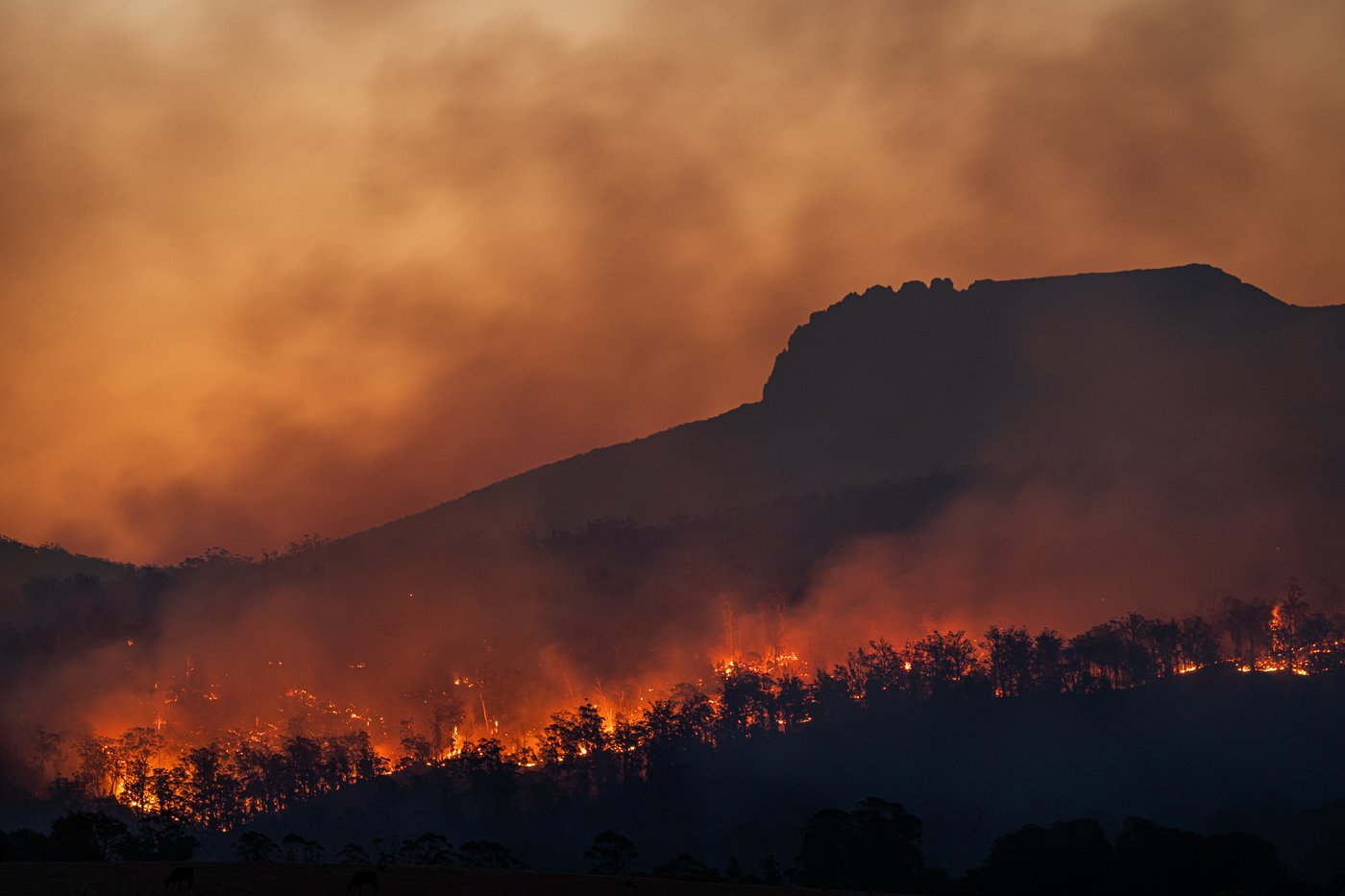
In 2023, Canada endured its “worst wildfire season in recorded history”, flooding in Derna, Libya caused an “unprecedented humanitarian crisis” and extreme weather events continue to rage around the world.
The climate crisis is already affecting millions: bringing death, injuries and mental health consequences, as well as the loss of homes, livelihoods, health services and critical infrastructure like power, transport and communications.
By now, there should be no doubt: the climate crisis is also a health crisis. And, as COP28 brings together world leaders to address climate change, they will also consider how to deal with the health-related ramifications that come with an ailing environment.
Wealthy countries, most responsible for global heating, often don’t acknowledge the health impacts on their citizens, let alone effects on health elsewhere.
The countries most engaged with the health effects of climate change are low and middle income countries.
COP28 is the Conference of the Parties to the United Nations’ Framework Convention on Climate change.
COP28 is the first that will have a dedicated ‘Health Day’. It will include a climate and health ministerial meeting, co-hosted by the COP28 presidency, World Health Organization and the UAE Ministry of Health and Prevention.
It is also supported by governments including Brazil, Egypt, the Netherlands, Sierra Leone, India, Fiji, Germany, Kenya, the United States and the United Kingdom.
More than 50 health ministers are expected to attend, alongside their finance and climate counterparts. The aim is to build consensus on priority policy and investment in health systems and to get commitments from health and climate funders for a first tranche of money for implementation.
These health-specific initiatives are to be encouraged, but should not relieve pressure on all sectors to protect and improve health and wellbeing.
While momentum for action on climate change and health is growing, there are big challenges, particularly for countries with limited resources and civil unrest.
Even if nationally determined contributions — the actions each country intends to take to adapt to climate change and limit global average temperature increases to as close as 1.5 degrees Celsius as possible — and long-term net zero targets are achieved, the world would still be on track for a global mean temperature increase of 1.7-2.1 degrees Celsius this century.
This would cause widespread health harm. To avoid this, countries must urgently strengthen and deliver on all their climate commitments.
The first Global Stocktake of the world’s progress on the Paris Agreement will take place at COP28. This will assess emissions reduction, climate adaptation, financing, the socio-economic impact of intervention and efforts to reduce and respond to loss and damage.
All of these are relevant for human health.
Incorporating impacts on health in this stocktake will help make the human impacts of our collective inaction visible. It would also show that the health benefits of greener economies outweigh the cost of acting at the scale and pace necessary to avert disaster
The ways climate change threatens people’s health can be broadly categorised as direct (the immediate impacts of a hazard) or indirect (mediated through a hazard’s impacts on the natural and human systems, on which our health depends).
Wildfires are a case in point. They directly affect the health of those in close proximity, through burns, smoke inhalation and heat stress, which can cause death and injury.
But the bigger health impacts of wildfires occur indirectly: either locally or at a distance. These include smoke-related air pollution that causes lung and heart disease, damage to the water catchments and agricultural land we rely on for safe drinking water and food, and disruptions to power, communications, health and other services.
Related article: EU Takes Action on Forever Chemicals, But Will It Be Enough? | Plasticosis: A Synthetic Health Crisis Waiting in the Wings?
There are significant mental health impacts from loss: friends and family, community, property, livelihoods, and expectations for the future. This can extend beyond the directly affected community and trigger eco-anxiety in the general population.
The increasing recognition that people’s health is inextricably linked to the planet’s health is reflected in initiatives like the World Health Organization’s Alliance for Transformative Action on Climate and Health.
This aims to support countries to build health systems able to cope with the health impacts of climate change, including maintaining their essential functions during and after extreme weather events. More than 70 countries have already signed up.
Countries are recognising the link between climate action and human health: 91 percent of countries in their nationally determined contribution reports have at least some reference to health.
Those references relate to building resilience for the health impacts of climate change, the health benefits of low-carbon living, or climate and health financing.
However, only 29 percent of countries have allocated climate finance to these health actions in their contribution reports. There is a large finance gap for international development work at the climate and health interface.
Urgent, effective and equitable climate action is needed to protect the health and wellbeing of current and future generations. Swiftly decarbonising economies by transitioning away from fossil fuels is key to avoiding the worst health impacts of climate change.
Industrialised countries, whose current and legacy emissions have contributed most to climate change, must take greatest responsibility for reducing their own emissions and supporting lower-income countries to develop sustainable and resilient economies.
Safeguarding people’s physical and mental health should be front and centre of national responses to climate change.
This includes preparing communities and health systems to cope with the impacts, as well as ensuring that the potential health benefits of a green transition are accessible to all.
Making this happen requires finance to make buildings, services and supply chains more resilient and to increase and upskill the health workforce. COP28’s focus on health could be a welcome stimulus for increased investment.
— —
This article was originally published by 360info™.
Editor’s Note: The opinions expressed here by the authors are their own, not those of Impakter.com — Featured Photo Credit: Matt Palmer.