
The climate is rapidly changing. From intense flooding in Southeast Asia to a polar vortex dumping snow on America’s Northeast, it is difficult to ignore the growing intensity of climate-related disasters. Yet for every dollar spent aiding the environment, $30 goes into destroying it.
A recent report by the UN Environment Programme (UNEP) found that $7.3 trillion was invested into climate-harming activities in 2023. Whereas only $220 billion was invested in climate solutions.
The report, titled “State of Finance for Nature 2026: Nature in the Red,” details “nature-negative” finance and tracks global finance flows to Nature-based Solutions (NbS), highlighting the glaring difference between public and private funding.
Nature-Negative Finance Flows
The report found that two-thirds of energy-sector funding flows into “nature-negative” activities, and that the majority of climate-harming funding comes from the private sector. Of the $7.3 trillion invested in 2023, $4.9 trillion came from private sector funds.
These funds went directly into utilities, industrials (including technology and healthcare), energy, basic materials, and consumer noncyclicals. The biggest focus was on utilities, with private investors channeling $1.6 trillion into electricity, Independent Power Producers (IPPs), and natural gas.
In 2023, governments around the world spent $2.4 trillion on environmentally harmful subsidies (EHS), including fossil fuels, agriculture, and water use. The Russian Federation’s invasion of Ukraine caused an increase in fossil fuel subsidies, doubling to $1.78 trillion from 2021 to 2022.
The report claimed that consistently high investments in nature-negative activities between 2020 and 2023 suggest “limited progress in decoupling capital from nature degradation.”
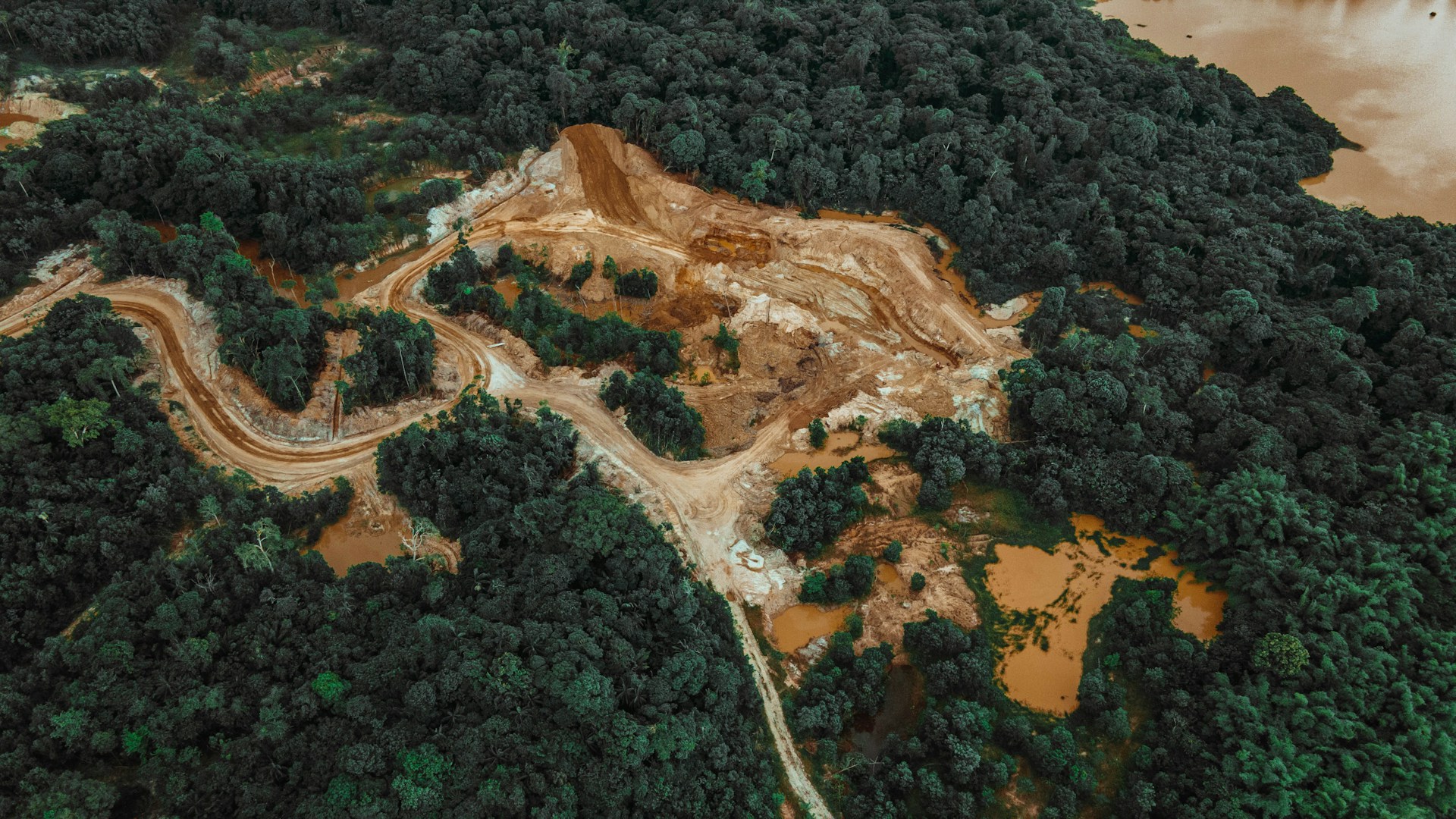
Nature-Based Solutions Finance Flows
Nature-based solutions aim to protect ecosystems and help governments or corporations meet climate goals. Some NbS include carbon capture, reforestation, peatland rewetting, and green buildings.
In stark contrast to “nature-negative” finance flows, around 90% of funding for nature-based solutions comes from the public sector. An estimated $190 billion was invested domestically in 2023, up 4% from 2022.
In 2023, $82.2 billion was funneled into biodiversity. The Global Biodiversity Framework (GBF) aims to increase biodiversity spending to $200 billion by 2030, with a focus on conservation, food and water security, and climate adaptation.
To reach targets set by the Rio Conventions, the current $220 billion needs to more than double by 2030. Within the next four years, $571 billion in annual investment is needed; by 2030, annual investment should reach $771 billion.
Private investments, while only a tiny fraction of nature-based investments at $23.4 billion, were largely focused on biodiversity offsets. These offsets and carbon credits accounted for $1.7 billion of private NbS finance. Other areas of private funding included green bonds, payments for ecosystem services, and philanthropy.

The Future of Nature-Based Investments
Overall, public investments in NbS have increased in recent years, with 2023 financing increasing by 22% from 2022 and 55% from 2015. Europe increased its year-over-year spending on NbS by 12%, investing $34 billion in climate action. Latin America increased investments by 10%, spending $6 billion.
While Asia decreased NbS spending by 4%, the region had the highest investment at $93 billion. North America, with the U.S. under the Biden administration, saw the largest increase at 19%, with $59 billion directed to the environment. (With the U.S. withdrawing from the Paris Climate Agreement and increasing coal use, it is doubtful that NbS spending will be a federal priority moving forward.)
Despite this positive trend in finance flows, nature-based spending is nowhere near the levels needed to reach current climate targets. Priorities within the private sector must change. Experts claim that a complete overhaul of financial infrastructure and investor attitudes is necessary to increase nature-positive spending.
Speaking with Earth.org, Jean-Marc Champagne, Managing Director at Seneca Impact Advisors, a nature-positive investment firm, said,
“It’s important to look for portfolio approaches instead of one-off pilots, so investors can spread ecological and performance risk. We also need clear NbS investment and readiness frameworks, and they need to be aligned with IUCN standards so investors know what proper NbS looks like.”
UNEP’s report claims that the best method moving forward is to embed “a nature-positive approach into every aspect of our lives, in every sector across the economy, so that it becomes a central theme of government expenditure and in investment decisions of financial institutions and businesses.”
Related Articles
Here is a list of articles selected by our Editorial Board that have gained significant interest from the public:
To achieve a “Big Nature Turnaround,” funds must be channeled into sustainable practices such as green infrastructure in cities and regenerative agriculture. Investing in nature shouldn’t be something companies do to feel good about themselves and get a pat on the back. Investing in nature, while reducing “nature-negative” finance flows, should be critical for governments and institutions worldwide.
Inger Andersen, Executive Director of the UNEP, said, “If you follow the money, you see the size of challenge ahead of us. We can either invest in nature’s destruction or power its recovery – there is no middle ground.”
Investors and governments alike must make a conscious effort to improve and protect nature now, or the future of our ecosystems is at risk.
Editor’s Note: The opinions expressed here by the authors are their own, not those of impakter.com — In the Cover Photo: A lone tree in the desert in Namibia. Cover Photo Credit: Wietse Jongsma.