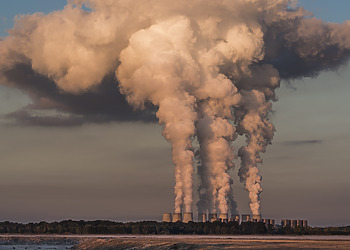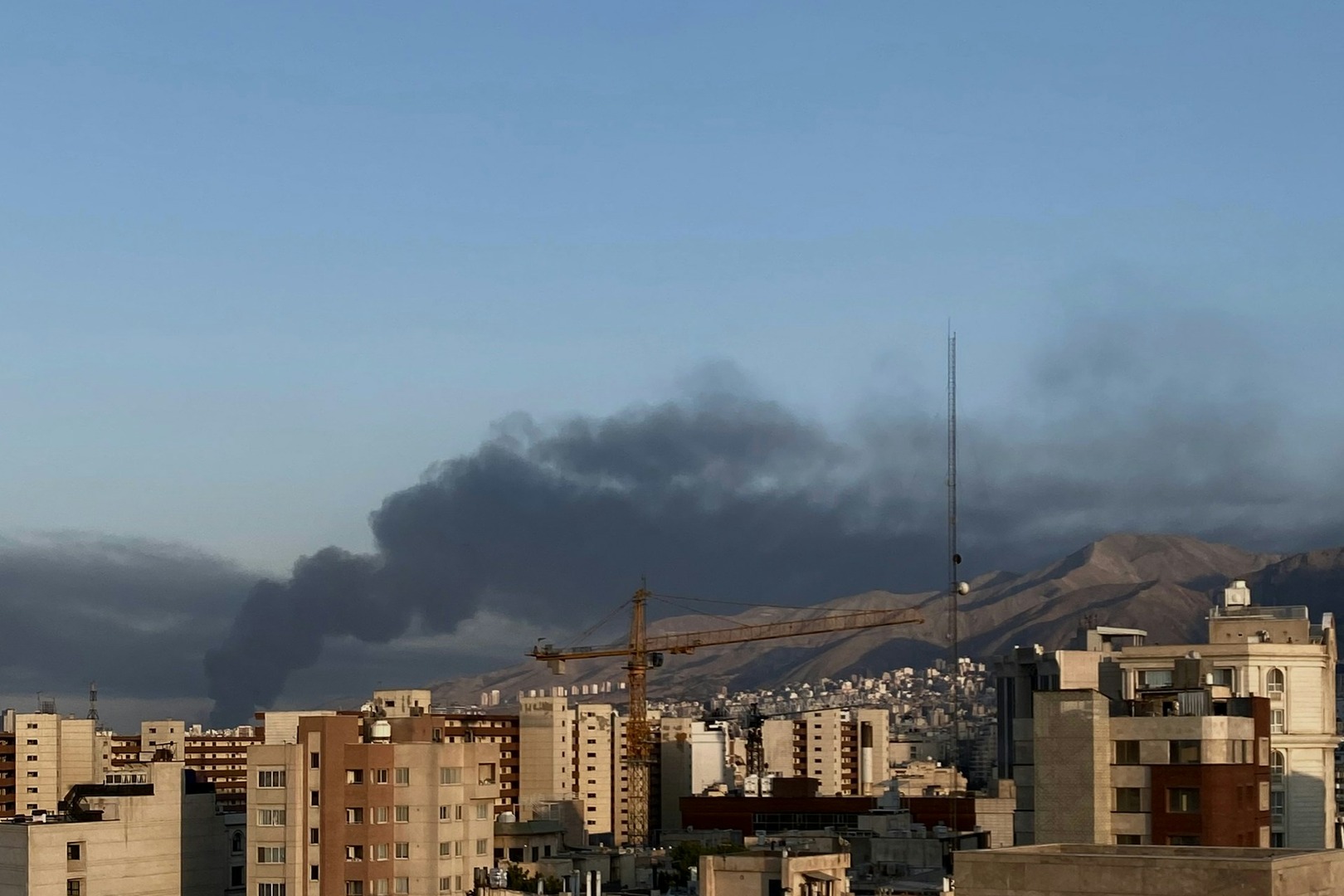
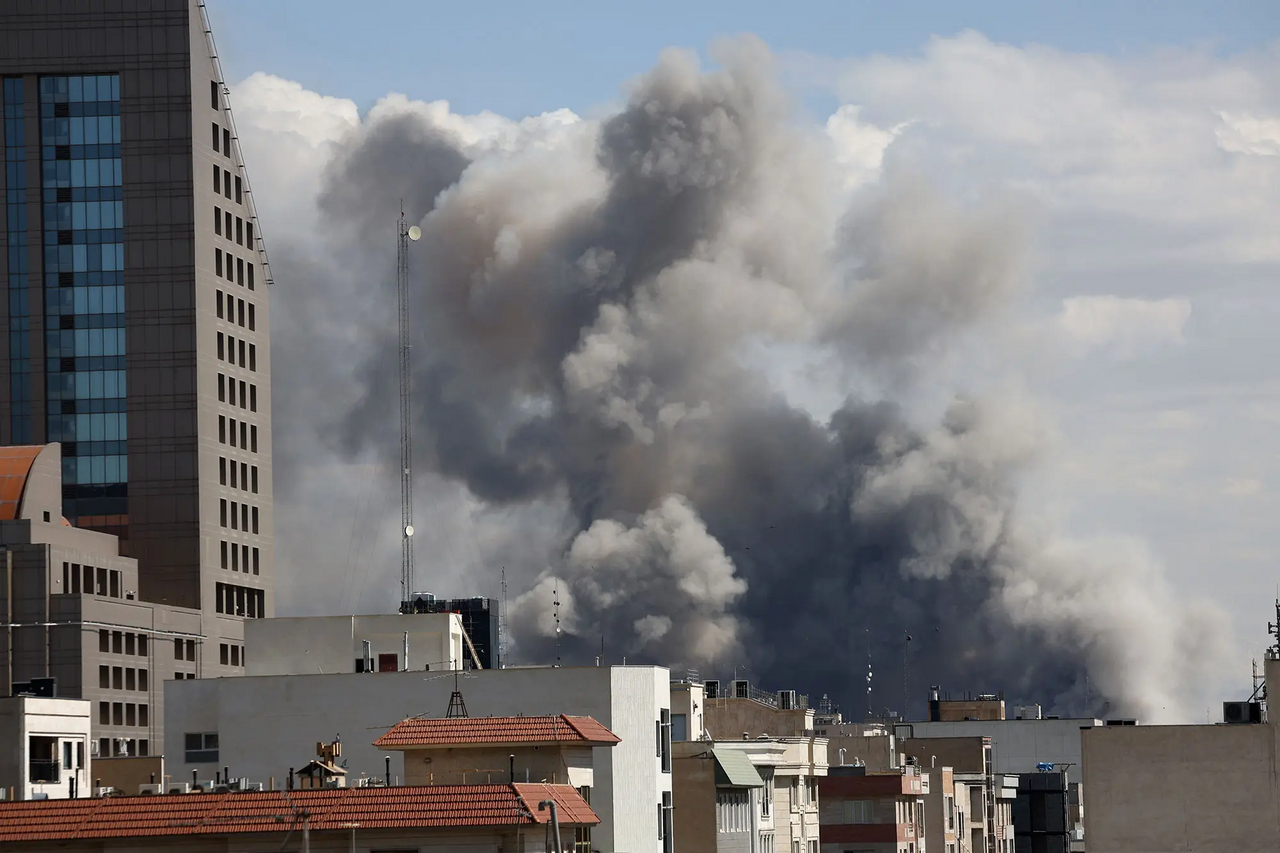
Early in March, thick, black smoke blanketed the city of Tehran, plunging it into apocalyptic darkness. As rain clouds rolled in, black, acid rain began to fall from the sky.
The dark, oily rain that covered Iran’s capital city followed Israeli attacks on Iran’s oil facilities on March 7. Massive fires and giant plumes of black smoke formed as thousands of tons of oil reserves burned.
On March 30, Iran and Lebanon launched their second counterattack on Israel’s Bazan oil refinery in Haifa. Again, the Middle Eastern sky was darkened as black smoke from the oil facility filled the air.
What Causes Black Rain?
Black rain is the product of toxic pollutants mixing with atmospheric condensation. When Israeli missiles struck Iran’s oil reserves, sulfur dioxide, nitrous oxide, polycyclic aromatic hydrocarbons (PAHs), and soot particles were released into the air. Black rain resulted from these toxic pollutants joining forces with a rainy Iranian spring day.
Speaking about the darkened rain in Tehran, Dr. Akshay Deoras, a research scientist at the University of Reading, told the BBC:
“The raindrops acted like little sponges or magnets, collecting whatever was in the air as they fell, which is why residents observed what’s being described as ‘black rain’.”
Rain absorbs ash, soot, and other toxic pollutants released into the atmosphere by uncontrolled burning of fossil fuels. The raindrops hold tight to these pollutants until they eventually drop to Earth’s surface, damaging property, contaminating soil, and endangering human health.
Black rain has not only affected Iran. On August 6, 1945, the United States dropped a nuclear bomb on the Japanese town of Hiroshima. For nearly two hours, black rain fell on the residents of Hiroshima. With the consistency of tar, this rain of radioactive ash and water caused radiation burns and material damage. It later rained down on Nagasaki after the second nuclear strike.
During the 1991 Gulf War between the United States and Iraq, Iraqi soldiers set fire to over 600 Kuwaiti oil wells. Thick black smoke filled the sky, as the temperature dropped by 18 degrees Celsius and black rain fell in a 600-mile (approximately 970 km) radius around Kuwait. It took firefighters almost the entirety of 1991 to quell the fires, as the last January fire was put out in November.
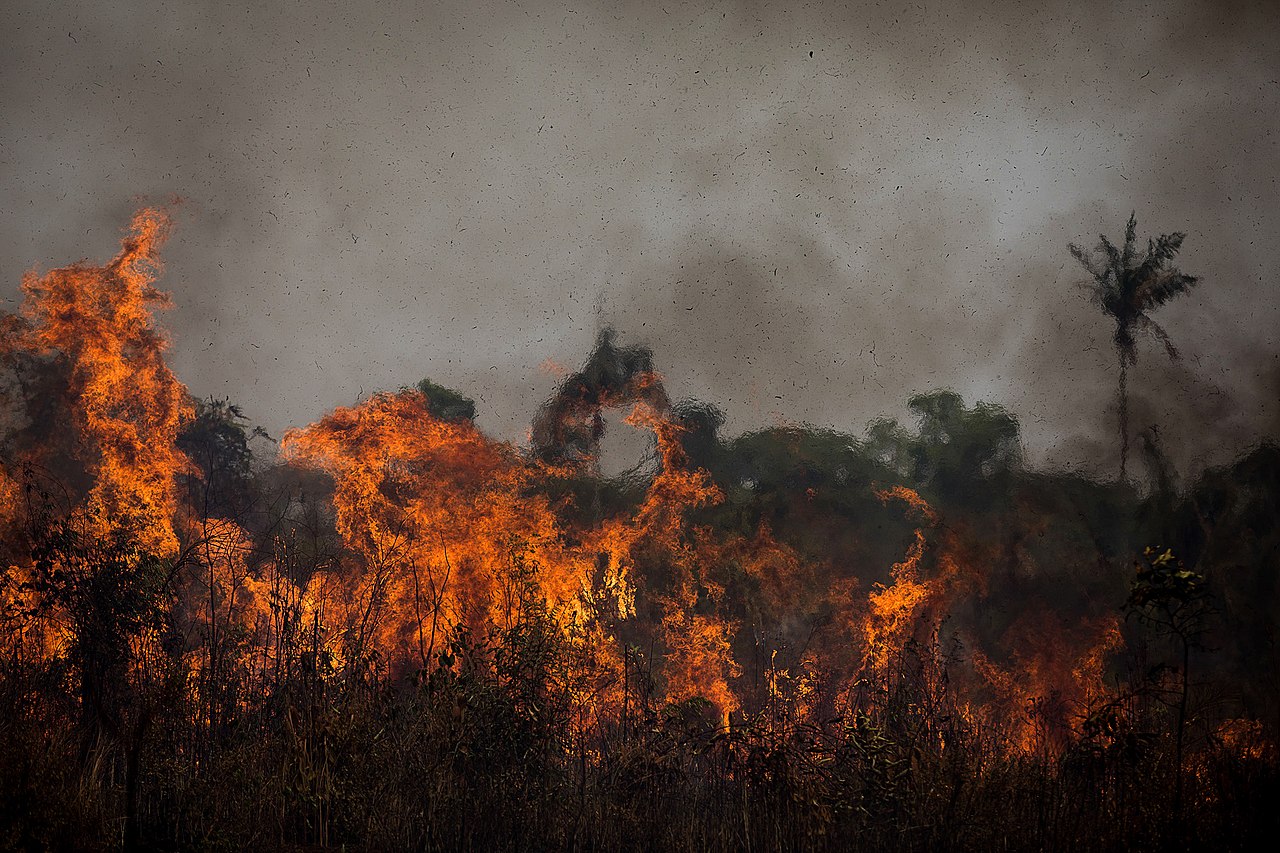
Wildfires can also cause black rain, as ash mixes with weather conditions. In 2019, the city of São Paulo, Brazil, experienced an hour-long blackout as smoke from massive rainforest fires blanketed the city, despite the fires being over 2,700 km (about 1,678 miles) away.
Health Effects of Black Rain
After black rain poured down on Tehran, residents complained of burning eyes and difficulty breathing. Government officials warned people to stay inside as much as possible.
Christian Lindmeier, a spokesperson for the UN World Health Organization (WHO), warned residents that black rain is “indeed a danger,” stating, “We are in touch with the hospitals and with the authorities, and the Iranian authorities have issued an alert advising people to stay indoors, in light of the attacks on oil warehouses especially.”
Immediate health effects of black smoke and rain result from the inhalation of toxic pollutants. Irritation of the respiratory tract could increase the risk of bronchitis, asthma, and other chronic respiratory diseases.
With particles 40 times smaller than the width of a human hair, microscopic soot particles can settle deep in the lungs and in the bloodstream. Experts told AP News that these particles can cause breathing and heart problems that could ultimately lead to premature death. Exposure to PAHs also increases the risk of cancer.
Other cancer-causing pollutants contained in Tehran’s black rain include benzene, acetone, toluene, and methylene chloride. Contact with these chemicals can cause skin or eye irritation, with health risks being especially high for children, those with pre-existing conditions, and older adults.
Environmental Effects of Black Rain
In Iran, damaged crops and contaminated drinking water are the most immediate consequences of black rainfall. Oil spillage reportedly entered storm drains, possibly contaminating groundwater and agricultural soil.
After Israeli airstrikes on a nearby oil storage facility in Tehran, burning petroleum products ran downhill into the storm drains along Koohsar Boulevard. pic.twitter.com/WhF9WkVSXA
— OSINTtechnical (@Osinttechnical) March 8, 2026
Acidic black rain can change the chemical composition of soil. The typical pH of rain ranges from 5.0 to 5.5, while acid rain can have a pH of 2.0 to 3.0. As acid rain is absorbed into the soil, essential nutrients, including magnesium and calcium, are depleted. Wheat, soybean, and corn crops are highly susceptible to soil acidification.
Increases in acidity and reductions in nutrients inhibit photosynthesis and destroy crucial nutrients in the soil. Destruction of plant life could lead to food insecurity in the region, as entire ecosystems collapse.
Related Articles
Here is a list of articles selected by our Editorial Board that have gained significant interest from the public:
According to the United States Environmental Protection Agency (EPA), the most vulnerable ecosystems are aquatic ecosystems. As black acid rain falls, aluminum invades waters, killing adult fish and preventing eggs from hatching.
Beyond acidification, nitrogen is released into the atmosphere and soil after black acid rainfall. Nitrogen pollution can lead to soil degradation, and according to the UN Environment Programme (UNEP), it is the “biggest driver of biodiversity loss on the planet, after habitat destruction and greenhouse gas emissions.”
The impacts of black rain are visually portrayed through dying trees and soot stains on buildings. The material effects of black rain range from harmless black dust on a car to the eventual corrosion of metal, paint, and stone.
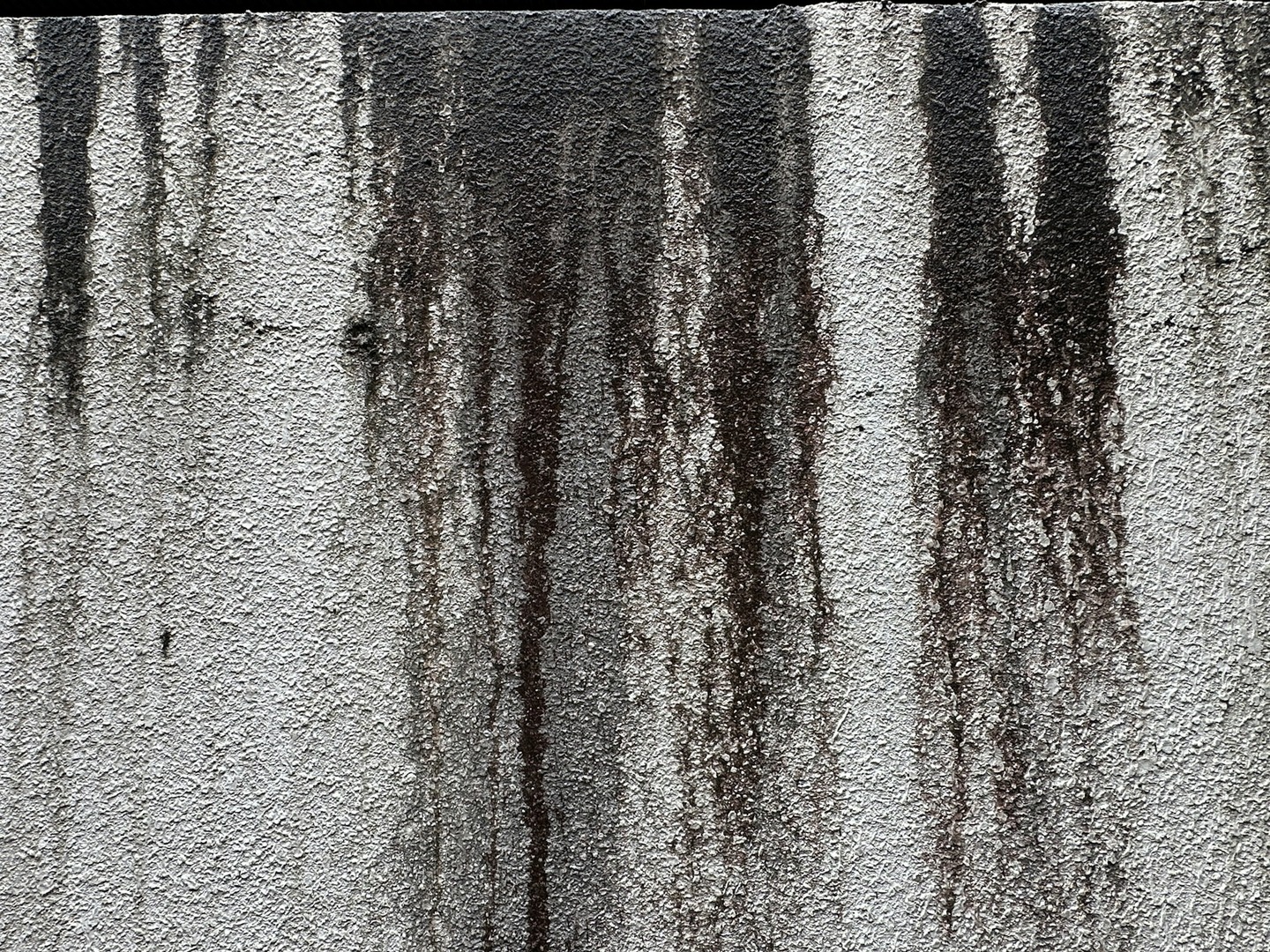
More than 30 years after the oil fires in Kuwait, the region is still suffering the effects of contamination. Hardened oil sludge has become impenetrable and plant life has yet to recover.
The extent of the lasting impacts of black rain and the war in Iran is still unknown, but this toxic phenomenon will leave a mark on human health and the environment as dark as the soot stains on a concrete wall.
Editor’s Note: The opinions expressed here by the authors are their own, not those of Impakter.com — In the Cover Photo: Smoke rises over the city of Tehran following an Israeli attack on June 15, 2025. Cover Photo Credit: sadaf vakilzadeh.