According to the latest Carbon Majors update, just 36 fossil fuel companies were responsible for a mammoth 20 billion tonnes of CO2 emissions in 2023. This represents over half of all global CO2 emissions produced by the world’s fossil fuels and cement sectors in 2023.
The top five state-owned companies among the 36, Aramco (Saudi Arabia), Coal India (India), CHN Energy (China), NIOC (Iran) and Jinneng Group (China), accounted for 17.4% of global fossil CO2 emissions while the top five investor-owned companies accounted for 4.9%. These include ExxonMobil, Chevron, Shell, TotalEnergies, and BP. A shocking figure to note is that if Aramco were a country, it would be the fourth biggest polluter in the world after China, the US and India.
Most entities mentioned in the Carbon Majors 2023 update are linked to increased emissions in 2023 compared to 2022. Disappointingly, 93 entities increased their emissions while 73 reduced their emissions, and 3 maintained the same level of emissions.
In terms of the types of fossil fuels, coal topped the list in 2023 again, contributing 41.1% of emissions in the database and growing by 1.9% compared to 2022. In contrast, natural gas emissions declined by 3.7% and oil remained stable with a minimal 0.3% increase.
These findings have been met with disappointment, as noted by Christiana Figueres, internationally recognised leader on global climate change and Costa Rican diplomat who stated:
“The Carbon Majors are keeping the world hooked on fossil fuels with no plans to slow production. While states drag their heels on their Paris Agreement commitments, state-owned companies are dominating global emissions — ignoring the desperate needs of their citizens.”
The Carbon Majors database
Carbon Majors is a leading database of historical CO2 emissions from 180 (169 active, 11 inactive) of the world’s largest oil, gas, coal, and cement producers from 1854 to the present day. The 2023 emissions tracked by the database represent 78.4% of global fossil fuel and cement CO₂ emissions in 2023.
It has been hailed by environmental experts as a sustainability godsend for its clear display of data and historical tracking of emissions, as noted by Carrol Muffet, President and CEO of the Center for International Environmental Law (CIEL):
“Richard Heede’s landmark Carbon Majors research transformed the landscape of climate accountability by using the fossil fuel industry’s own reported production and operation figures to calculate and expose the true scale of its role in the climate crisis.”
Carbon Majors: State vs Investor-Owned
The Carbon Majors report attributes emissions to investor-owned companies, state-owned companies, and nation-state producers.
The 2023 report highlights that the top 20 highest carbon-producing entities collectively accounted for 40.8% of global fossil fuel and cement CO2 emissions. The majority of this list, 16 out of the 20, is composed of state-owned entities, dominated by Chinese entities. Coal companies are also prominent on this top 20 list, 7 out of 20 to be exact, with six from China and one from India; a clear indication of Asia’s reliance on coal.
Whilst investor-owned companies may continue to be driven by profits over people, the analysis in fact found that state-owned entities expanded the most from 2022 to 2023. 42 of the 68 state-owned companies in the database increased emissions, resulting in an additional 391MtCO2e being produced in 2023. However, just over half of investor-owned companies – 50 of the 99 – increased emissions between 2022 and 2023.
Related Articles: ‘Carbon Majors’: 57 Producers Responsible for 80% of Global Carbon Emissions Since 2016 | 4 Charts Explain Greenhouse Gas Emissions by Countries and Sectors | Military Exemptions: How One of the World’s Largest Polluters Gets a Free Pass | Cutting Emissions: Can The Rich Pay the Poor To Do it On Their Behalf?
Shying Away From the Fossil-Fueled Limelight
Given the very principle of Carbon Majors — unearthing the truth of fossil fuel companies and the detrimental impacts they may be having on the environment — it is no surprise that these companies have tried to abscond from the fossil fuelled limelight. Carbon Majors uses InfluenceMap’s LobbyMap database to score and rank over 500 companies and 250 industry associations on their activities influencing climate change policy using an A+ to F scale. Similar style of grading can be carried out by ESG tools.
According to LobbyMap’s research, of the top 9 highest emissions investor-owned Carbon Majors companies, 5 score a D or below. All 9 of the assessed companies have an engagement intensity score above 18%, which indicates active engagement with climate policy. This is a clear indicator of their reluctance to engage with climate-related policy and oppositional positions.
Also carried out in LobbyMap’s research was a look into state-owned companies. They found that they are even more anti-climate change regulation: None of the 7 out of 10 highest emissions state-owned Carbon Majors companies scored higher than a C-. Engagement intensity for state-owned companies was also an even more disappointing 15% average compared to the 45% for investor-owned companies.
This most recent Carbon Majors report highlights the world’s continued reliance on fossil fuels, especially in Asia, as well as the continued lack of state interest in reducing CO2 emissions.
“It is truly alarming that the largest fossil fuel companies continue to increase their emissions in the face of worsening natural disasters caused by climate change, disregarding scientific evidence that these emissions are harming us all,” said Tzeporah Berman, Founder and Co-chair of the Fossil Fuel Non-Proliferation Treaty Initiative. “It is clearer than ever that dirty private companies, driven by profits and business as usual, will never choose to self-regulate. Governments around the world must use their power to end fossil fuel expansion and transition their economies before fossil fuel companies destroy the planet.”
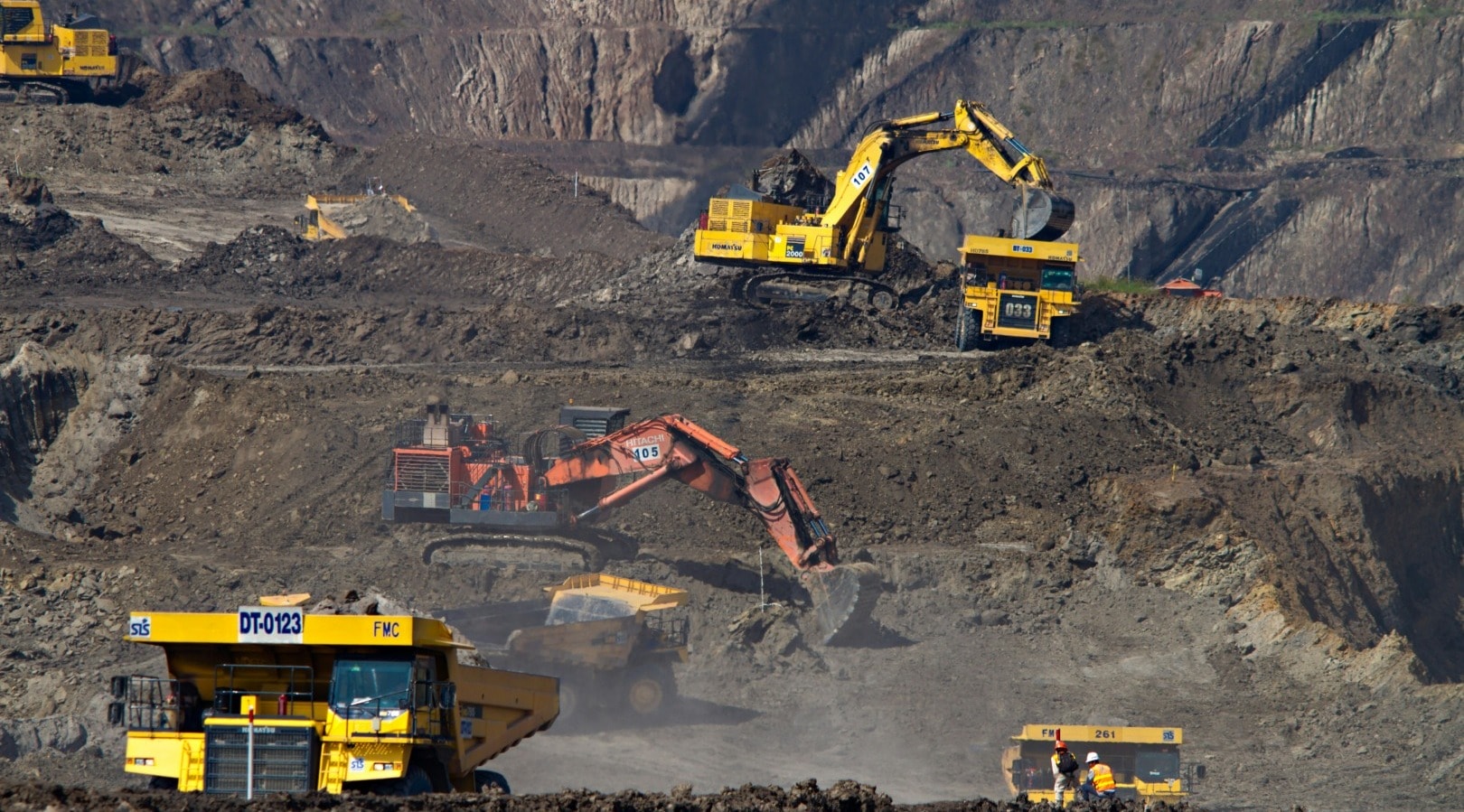
Editor’s Note: The opinions expressed here by the authors are their own, not those of Impakter.com — In the Cover Photo: A coal mine in Indonesia, South Kalimantan, Indonesia, April 16, 2018. Cover Photo Credit: Dominik Vanyi.