Impakter
  • Environment
    • Biodiversity
    • Climate Change
    • Circular Economy
    • Energy
  • FINANCE
    • ESG News
    • Sustainable Finance
    • Business
  • TECH
    • Start-up
    • AI & Machine Learning
    • Green Tech
  • Industry News
    • Entertainment
    • Food and Agriculture
    • Health
    • Politics & Foreign Affairs
    • Philanthropy
    • Science
    • Sport
  • Editorial Series
    • SDGs Series
    • Shape Your Future
    • Sustainable Cities
      • Copenhagen
      • San Francisco
      • Seattle
      • Sydney
  • About us
    • Company
    • Team
    • Partners
    • Write for Impakter
    • Contact Us
    • Privacy Policy
No Result
View All Result
Impakter logo
No Result
View All Result
Capitalizing on a Crisis: Oxygen for Sale in New Delhi

Capitalizing on a Crisis: Oxygen for Sale in New Delhi

Aman GrewalbyAman Grewal
December 18, 2019
in Environment, Health
0

Air pollution as a business opportunity, clean oxygen as the product. In the midst of the New Delhi air pollution crisis, a bar by the name of Oxy Pure has found a way to turn a profit. Customers pay 500 rupees or $6.98 USD for 15 minutes of pure oxygen (Delhi’s per capita income is US$5106 – making the service relatively expensive) where they can choose between different flavours, including orange and lemongrass.

The bar generally sees between 30 and 40 customers per day and also provides portable cans of oxygen products customers can take with them. Those who have tried the oxygen from Oxy Pure claim it makes them feel better temporarily but there is little scientific evidence to bolster this.

Many citizens are taking to social media to express their dislike for the oxygen bar, claiming it is nothing more than a gimmick that is taking advantage over the current public health crisis in the city. India’s Supreme Court has criticized the government for not making constructive efforts to combat pollution in New Delhi.


Related articles: New Delhi Air Pollution Emergency: 10 Times the Safe Limit

The Supreme Court also ordered a cessation on crop burning in areas surrounding New Delhi, as it has been found to be the largest source of air pollution in the city. Air pollution levels in New Delhi are particularly high during this time of year as the celebration of Diwali — which involves setting off fireworks and firecrackers in massive volumes — takes place in addition to crop burning.
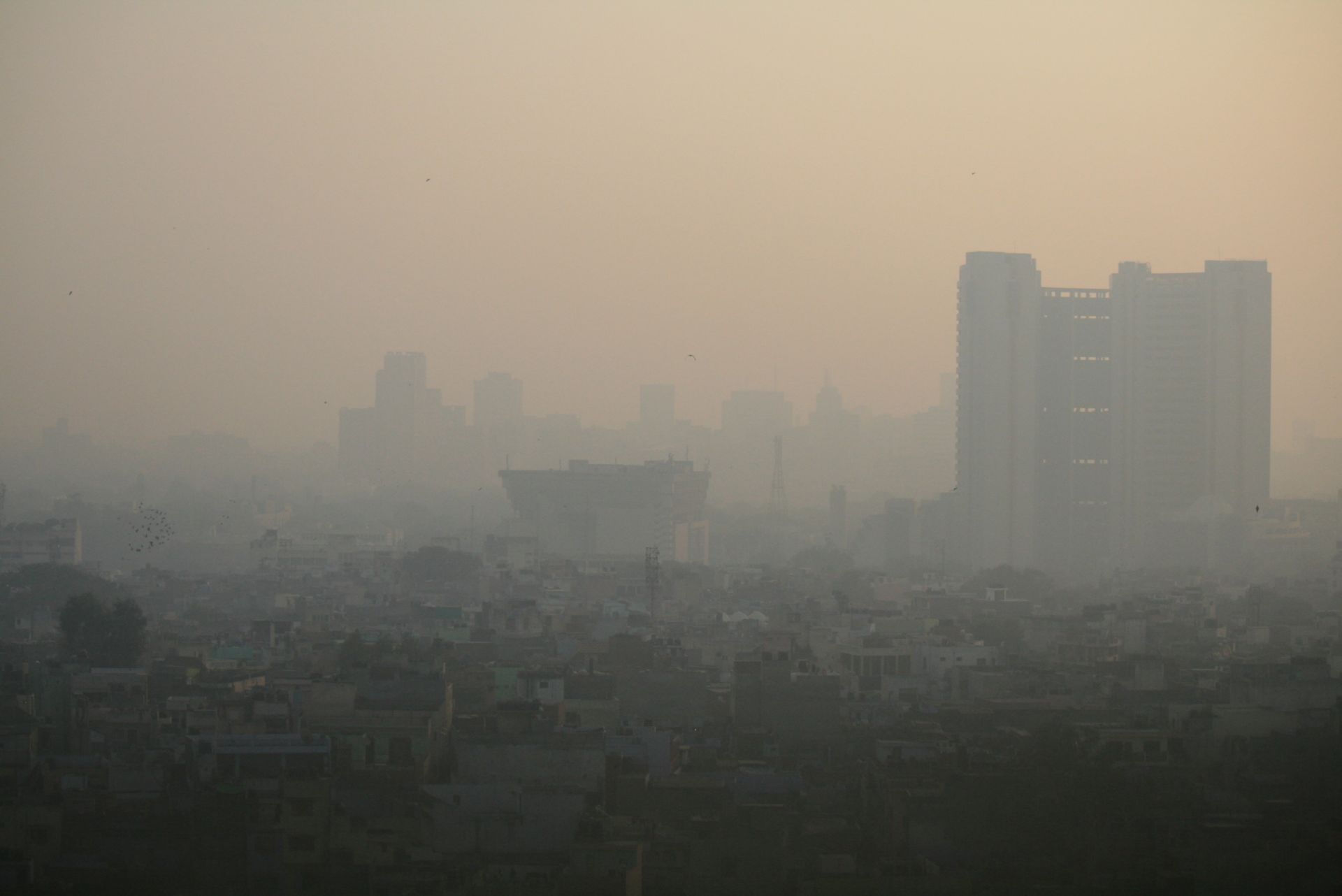
In the Photo: View of West Delhi. Photo Credit: Jean-Etienne Minh-Duy Poirrier

The oxygen bar is not the only scheme that is receiving criticism. New Delhi’s government has implemented an odd-even scheme that will keep 1.2 million vehicles off the road every other day. Vehicles with license plates ending in odd numbers are permitted to drive on odd number day and vice versa. This scheme has been widely criticized by industry experts and citizens alike as New Delhi’s government continues to come under fire for its lack of meaningful action during this public health emergency.

[A] public health emergency was declared in New Delhi several weeks ago when Air Quality Index (AQI) levels reached over 1,000. According to the World Health Organization, levels below 50 are considered to be safe.

As we previously reported, a public health emergency was declared in New Delhi several weeks ago when Air Quality Index (AQI) levels reached over 1,000. According to the World Health Organization, levels below 50 are considered to be safe. Air pollution of this severity can have severe health consequences. Short term effects include eye and throat irritation while long term consequences include increased rates of strokes, heart attacks, and lung disease.
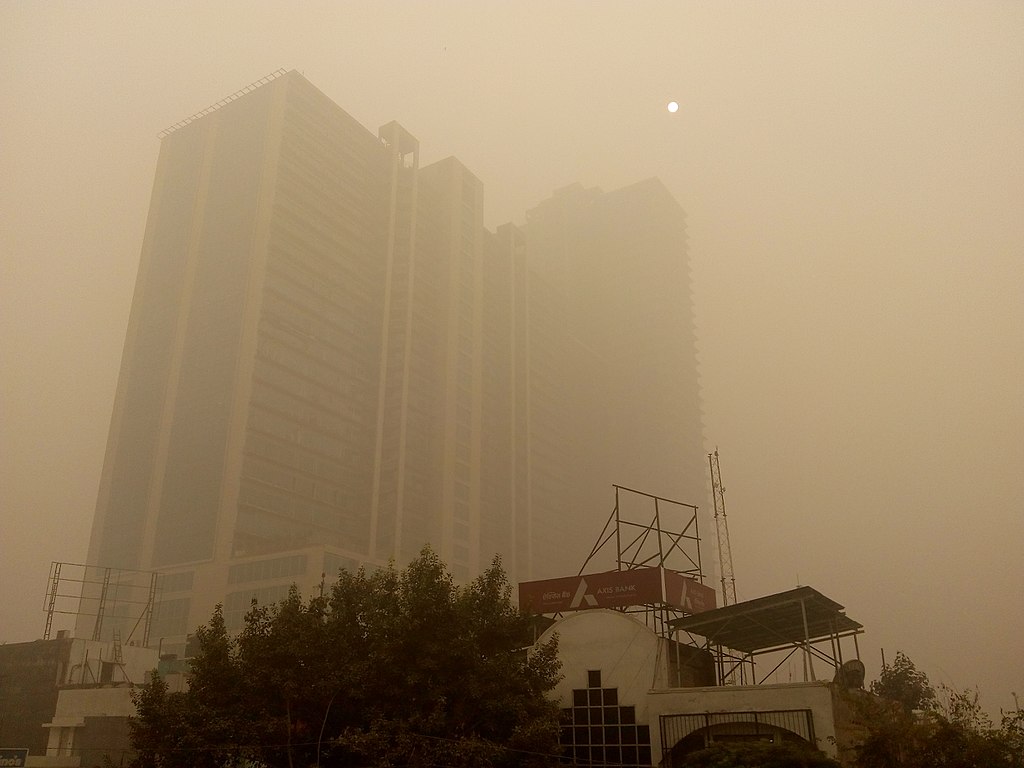
In the Photo: Pollution haze in Delhi. Photo Credit: Sumitmpsd

India is currently home to 22 of the 30 most polluted cities in the world. New Delhi faces the task of cutting air pollution by 65% in order to meet the clean air standard as current levels of air pollution in the city can reduce life expectancy by seven years. There is hope for New Delhi and the other Indian cities at the top of the rankings as China– which had previously dominated the rankings– has made significant improvements in recent years and has reduced AQI levels significantly.



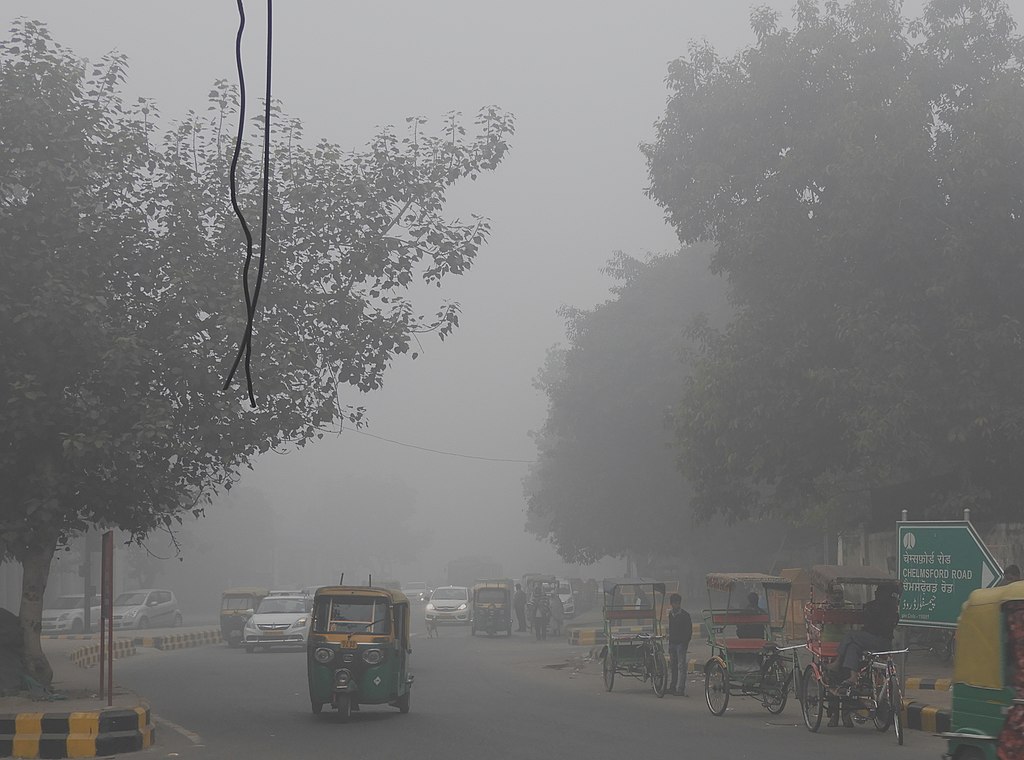
EDITOR’S NOTE: The opinions expressed here by Impakter.com columnists are their own, not those of Impakter.com — In the Featured Photo:  Streets of New Delhi — Featured Photo Credit: Wikimedia Commons
Tags: Air pollutionAman GrewalCrisisEnvironmentImpakterIndiaNew DelhiOxygenpublic health
Previous Post

Multistakeholder partnerships: How do they contribute to food security and nutrition?

Next Post

For-Profit Strategies for the Not-for-Profit World

Related Posts

Reusing discarded Christmas trees to protect coastline
Biodiversity

Discarded Christmas Trees Reused to Protect Coastline

Today’s ESG Updates Discarded Christmas Trees Reused to Protect Coastline: Volunteers in Lancashire have been burying discarded Christmas trees to...

byAriq Haidar
February 16, 2026
ESG news regarding the new right in the EU, Volkswagen's passion for green power, the new crypto act and Air India.
Business

Merz, Meloni, and the Remaking of the European Right

Today’s ESG Updates Berlin-Rome Axis Rises: A new pragmatic partnership between Germany and Italy shifts European focus from federalist idealism...

byEge Can Alparslan
February 13, 2026
India–EU Trade Is Set to Grow. Its Environmental Costs May Grow Faster
Business

India–EU Trade Is Set to Grow. Its Environmental Costs May Grow Faster

The recent conclusion of negotiations for a Free Trade Agreement between India and the European Union, after nearly two decades of talks,...

byMandar Oak - Associate Professor at the University of Adelaideand1 others
February 10, 2026
JP Morgan remains bullish on failed Rio Tinto merger
Business

JP Morgan Remains Bullish on Rio Tinto’s Failed Merger

Today’s ESG Updates: JP Morgan Remains Bullish on Rio Tinto's Failed Merger: JP Morgan thinks Rio Tinto can create more...

byAriq Haidar
February 9, 2026
Germany blocks Amazon price caps in e-commerce
Business

Germany’s Cartel Office Slaps Amazon Over Price Caps

This Week’s Regulatory Updates Germany bans Amazon price caps: The Bundeskartellamt demands Amazon halt anti-competitive pricing and repay millions, signaling...

byJana Deghidy
February 6, 2026
ESG News regarding 18 Killed as Rescue Teams Search for Trapped Miners; Union Says Talks With BP Have Failed to Deliver Progress; Low-Cost Manganese Breakthrough Boosts Hydrogen Storage; Iranian Women Gain Formal Access to Motorcycle Licensing
Business

Deadly Blast Rips Through Illegal Coal Mine in India

Today’s ESG Updates India Orders Inquiry After Fatal Mine Disaster: Rescue operations are set to resume this morning with support...

byPuja Doshi
February 6, 2026
World Health Organization
Editors' Picks

Why America’s Withdrawal From the WHO Is Bad News for Everyone

The United States was formally withdrawn from the World Health Organization (WHO) by President Donald J. Trump on January 22,...

byDr. Bruce Kaplan - Epidemiologist formerly at the CDC/EIS and USDA-FSIS Office of Public Health and Science & Co-Founder of the One Health Initiative
February 5, 2026
ESG news regarding a new EU initiative that lets companies operate seamlessly across all EU member states, U.S. and India reaching major trade deal after tariff reductions, Spain fining Repsol €20.5 million for unfair fuel pricing practices, and Ørsted’s $7 billion Sunrise Wind project being cleared to resume construction.
Business

EU-INC Introduces a Unified Legal System to Simplify Business Across Europe

Today’s ESG Updates EU-INC Lets Companies Operate Seamlessly Across All EU Member States: The European Commission unveiled EU-INC at Davos,...

byAnastasiia Barmotina
February 3, 2026
Next Post
For-Profit Strategies for the Not-for-Profit World

For-Profit Strategies for the Not-for-Profit World

Recent News

AR visualization tool

Augmented Reality Preview of Your Products: Let Customers Experience Before They Buy

February 16, 2026
How an Intersectional Approach Can Help Us Address Vulnerability to Climate Change

How an Intersectional Approach Can Help Us Address Vulnerability to Climate Change

February 16, 2026
Can Human Behavior Explain the Recent Spike in Shark Attacks?

Can Human Behavior Explain the Recent Spike in Shark Attacks?

February 16, 2026
  • ESG News
  • Sustainable Finance
  • Business

© 2025 Impakter.com owned by Klimado GmbH

No Result
View All Result
  • Environment
    • Biodiversity
    • Climate Change
    • Circular Economy
    • Energy
  • FINANCE
    • ESG News
    • Sustainable Finance
    • Business
  • TECH
    • Start-up
    • AI & Machine Learning
    • Green Tech
  • Industry News
    • Entertainment
    • Food and Agriculture
    • Health
    • Politics & Foreign Affairs
    • Philanthropy
    • Science
    • Sport
  • Editorial Series
    • SDGs Series
    • Shape Your Future
    • Sustainable Cities
      • Copenhagen
      • San Francisco
      • Seattle
      • Sydney
  • About us
    • Company
    • Team
    • Partners
    • Write for Impakter
    • Contact Us
    • Privacy Policy

© 2025 Impakter.com owned by Klimado GmbH