Today’s ESG Updates
- Big Tech Smart TVs forms consumer behaviour: Broadcasters across Europe are urging regulators to extend the scope of the Digital Markets Act to cover smart TVs
- H&M Commits to Science-Based Nature Targets: H&M Group has said that the new goals align with the three core SBTN land targets: No Conversion of Natural Ecosystems, Land Footprint Reduction, and Landscape Engagement.
- Natural Gas Prices Drop in the U.S.: Weaker demand expectations, strong supply, and negative spillover from oil are leaving natural gas under sustained pressure.
- Renewables Cannot Fully Supply Europe: Gas remains critical for grid stability, because building clean energy is easier than dismantling fossil dependency completely.
Broadcasters across Europe stand against smart TVs that harm competition
Regional broadcasters in Europe are starting to pressure governing bodies over technology companies’ control of content. They hope the Digital Markets Act (DMA) will start covering smart TVs. The request, submitted to the European Commission, reflects growing concern among traditional media companies that large tech firms are acting as “gatekeepers” not only on smartphones and online platforms, but also within the rapidly expanding smart TV ecosystem. DMA is designed to regulate competition by limiting the power of large players in the digital content market. Industry groups are calling for measures that would guarantee fair prominence for public-interest content, ensure equal access to audiences, and prevent anti-competitive practices such as self-preferencing.
***
Further reading: Exclusive: Broadcasters urge EU to tighten rules for Big Tech in smart TV standoff
Klimado – Navigating climate complexity just got easier. Klimado offers a user-friendly platform for tracking local and global environmental shifts, making it an essential tool for climate-aware individuals and organizations.
H&M Group aims to deal with nature-related impacts of their operations
H&M Group has set new environmental targets, which include those related to the avoidance of land conversion, land-based carbon emission reduction, and working on priority landscapes. The new targets were set in accordance with the Science Based Targets Network (SBTN). These new targets set by H&M Group include those which are in line with SBTN’s three core targets on land. Two of the targets set by H&M Group include the use of 100% sustainable materials by 2030 and the increase in recycled materials to 50% by 2030. The company has also said it will adjust its supplier requirements to source materials without deforestation or conversion.
***
Further reading: H&M Sets Science-Based Nature Targets to Address Impact of Supply Chain on Land
Related Articles
Here is a list of articles selected by our Editorial Board that have gained significant interest from the public:
U.S. natural gas prices drop by mild weather and broad weakness in energy markets
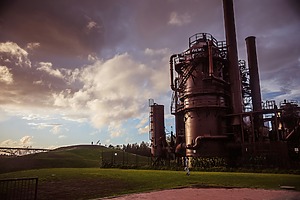
The prices of natural gas in the U.S. continued to fall amid a combination of weak energy markets and mild weather forecasts. This change impacts the amount of natural gas that is required to heat homes during the late winter and early spring months. Additionally, the fall in oil prices is also impacting natural gas prices. While natural gas and oil prices are distinct markets, they are related through investor sentiment and broader market dynamics.
The U.S. natural gas supply remains strong, and there are no issues regarding storage. There is nothing to indicate that the prices will rise anytime soon. There is a fall in natural gas prices as the expectations of natural gas demand are declining. Additionally, there is pressure from oil prices, too. There is nothing to indicate that natural gas prices will rise anytime soon; hence, they are falling.
***
Further reading: US Natural Gas Extends Losses on Warmer Outlook, Oil Price Drop

EU cannot phase out fossil fuels
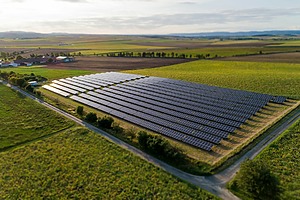
Across Europe, renewables like wind and solar continue to expand their share of electricity generation. In several countries, they’re now dominant parts of the power mix. That’s the good headline—and it’s real progress. The system-level reality, however, is less impressive. EU governing bodies cannot phase out fossil fuels at the same pace. When renewable output fluctuates, countries have no choice but to fall back. Emissions reductions are slower than the growth in clean energy.
The core issue is that Europe has added clean energy capacity without fully removing fossil infrastructure. During periods of low wind or solar output, the region has no clean alternative and uses coal. While declining, coal hasn’t disappeared in some regions either. The result is a hybrid system where renewables grow—but emissions don’t fall proportionally. This challenge exposes a strategic weakness: building clean energy is easier than moving away from fossil dependency.
Further reading: Europe’s ‘staggering’ clean power gains undermined by failure to phase out fuel-burning machines
Editor’s Note: The opinions expressed here by the authors are their own, not those of impakter.com — Cover Photo Credit: Glenn Carstens-Peters