Today’s ESG Updates
- Brazil Mobilises $50B for Sustainable Investment: President Lula’s administration aims to accelerate climate action, infrastructure modernization, and clean energy development through a $50 billion plan.
- China’s Five-Year Plan Could Reshape Commodity Markets: Upcoming policies are expected to drive demand for clean energy materials, influencing global metals markets.
- EPA Delays Greenhouse Gas Reporting: The United States extends deadlines for large industrial emitters, affecting climate tracking and compliance timelines.
- Italy Challenges EU Carbon Pricing Framework: Rome calls for temporary suspension of carbon pricing, creating debate over EU climate policy enforcement.
Brazil mobilises $50B for sustainable investment
Brazil is about to deploy close to $50 billion in sustainable investments during the term of President Luiz Inácio Lula da Silva, taking what officials say is a strategic step in the country’s green transition. The funding is expected to be used for renewable energy projects, infrastructure upgrades, and social development initiatives connected to climate resilience. The plan is a mix of public funding, private capital, and development bank support. Government officials say the aim is twofold: to spur economic growth while steering the country into a course of lower-carbon development.
Brazil, a developing country endowed with extensive natural resources and vital ecosystems, has been under growing pressure to bring domestic growth in line with its international climate pledges. Execution and compliance will be key, analysts noted, as pledges on climate finance at scale often come under investigation for transparency and delivery models. Yet the announcement represents a new level of ambition on the part of Brasília, where global investment is in ever greater demand for clean energy and sustainable infrastructure. If executed well, this programme could consolidate Brazil’s position ahead of future international climate negotiations and reinforce its voice as a key voice among emerging economies.
***
Further reading: Brazil to mobilize nearly $50 billion in sustainable investments under Lula’s current term
Klimado – Navigating climate complexity just got easier. Klimado offers a user-friendly platform for tracking local and global environmental shifts, making it an essential tool for climate-aware individuals and organizations.
China’s five-year plan could reshape commodity markets
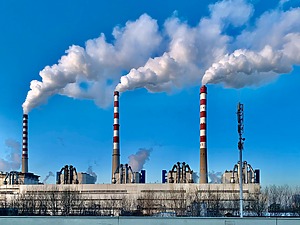
China’s forthcoming Five-Year Plan is already drawing close attention from commodity markets, as policymakers signal a continued emphasis on energy transition technologies and industrial upgrading.
Beijing is expected to prioritise clean manufacturing, domestic supply chain resilience, and expanded renewable energy deployment. That direction matters well beyond China’s borders. Demand for materials such as lithium, copper, and nickel — all critical to batteries and electric vehicles — could shift depending on the scale and speed of policy implementation.
Market participants are watching for details. Adjustments to recycling mandates, efficiency standards, or incentives for renewable expansion could alter global trade flows. Even subtle policy changes in China, the world’s largest consumer of many raw materials, tend to ripple quickly across pricing benchmarks.
While the final blueprint has yet to be published, early signals suggest climate and industrial strategy will remain tightly intertwined. For investors and producers alike, the next phase of China’s economic planning is expected play a role in shaping the trajectory of global clean energy supply chains.
***
Further reading: What China’s next five year plan might hold in store for commodity markets
Related Articles
Here is a list of articles selected by our Editorial Board that have gained significant interest from the public:
EPA delays greenhouse gas reporting requirements

In the United States, the Environmental Protection Agency has postponed this year’s deadline for large industrial facilities to submit their annual greenhouse gas emissions data, extending the reporting window from March to October.
The agency said the move will give regulators time to finalise broader updates to the reporting framework. More than 8,000 facilities across sectors — from power generation to heavy industry — are required to disclose emissions under the programme, which feeds into federal climate tracking and policymaking.
Environmental groups argue that consistent and timely reporting is central to accountability. Delays, they warn, risk slowing the assessment of progress toward national emissions targets. Industry representatives, however, have said additional time provides clarity while rule adjustments are under consideration.
The reporting system has long been a backbone of U.S. climate data collection. Even a temporary shift in deadlines underscores how regulatory recalibration can affect transparency, compliance planning, and investor confidence.
***
Further reading: EPA delays greenhouse gas reporting requirement

Italy challenges EU carbon pricing framework
Italy has called for a temporary suspension of certain carbon costs under the European Union’s Emissions Trading System, adding a new layer of tension to the bloc’s climate policy debate.
Government officials argue that current carbon pricing levels risk placing European industries at a competitive disadvantage, particularly as global trade pressures intensify. The proposal has sparked immediate pushback from policymakers and environmental advocates who view the ETS as a cornerstone of the EU’s decarbonisation strategy.
Under the system, large emitters must purchase allowances for each tonne of carbon dioxide they produce. The mechanism is designed to create a financial incentive to cut emissions over time. Suspending or weakening that signal, critics say, could slow investment in cleaner technologies.
The European Commission has indicated that any modification would need to preserve environmental integrity and comply with existing legal frameworks. The debate reflects a broader balancing act across Europe: sustaining industrial competitiveness while maintaining credibility on climate commitments.
***
Further reading: Italy calls for carbon price suspension in attack on EU climate policy
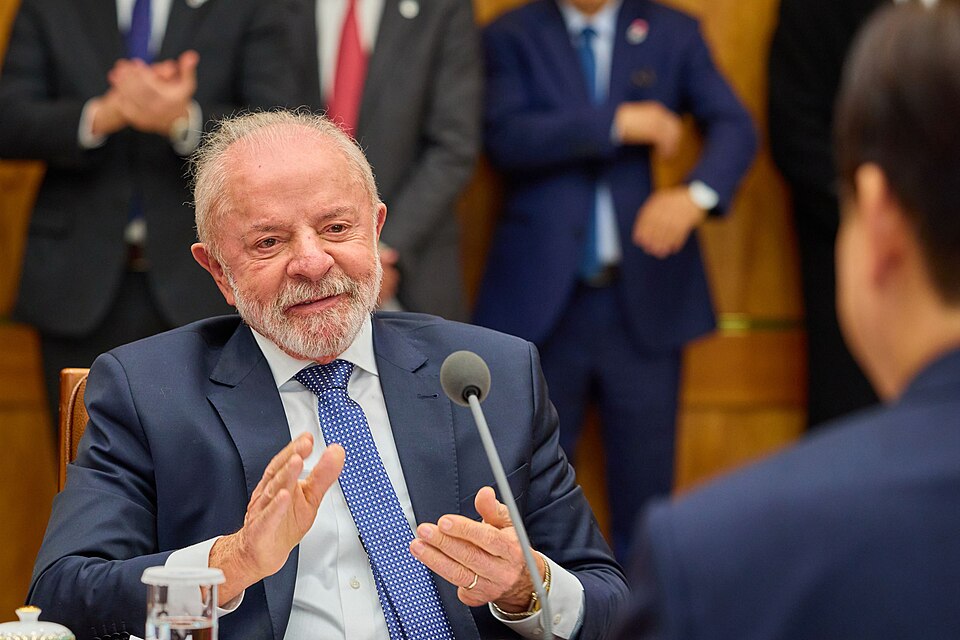
Editor’s Note: The opinions expressed here by the authors are their own, not those of impakter.com — In the Cover Photo: Brazilian President Luiz Inácio Lula da Silva Cover Photo Credit: Wikimedia Commons