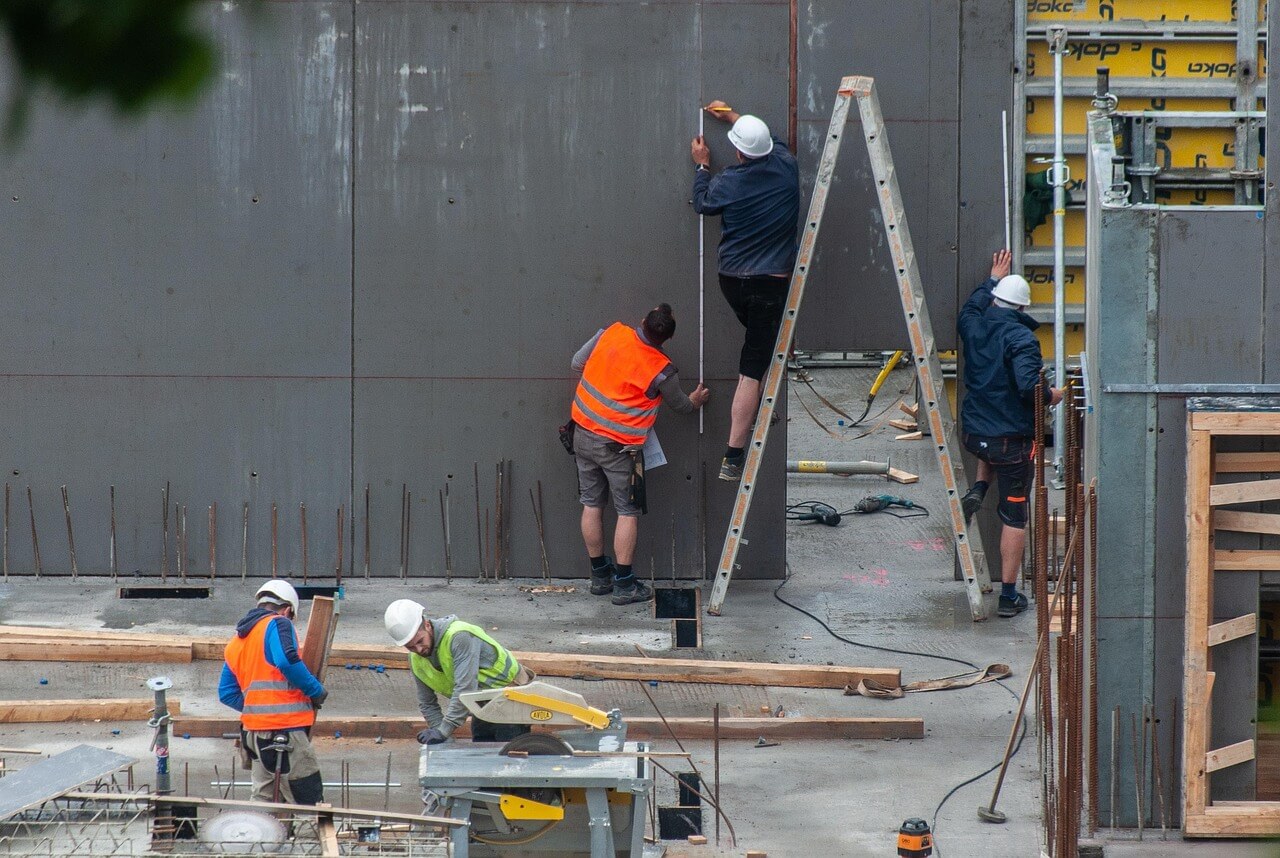
When you think of a construction site, you probably picture hard hats, heavy machinery, and towering steel frames. What you don’t see is the mountain of decisions, calculations, and communications that happen every single day behind the scenes.
In today’s fast-paced, high-stakes environment, managing a construction project without a centralized digital system is like navigating a desert without a GPS — you might eventually get there, but you’ll waste time, burn resources, and likely get lost along the way. That’s why an increasing number of firms are exploring integrated platforms — including solutions like ERP for construction company — not as a luxury, but as a fundamental tool for survival and growth.
The shift isn’t about replacing human expertise; it’s about amplifying it. It’s about giving project managers, accountants, procurement officers, and site supervisors a shared, real-time view of what’s happening — from the first client inquiry to the final invoice. This level of transparency and control is no longer the domain of mega-corporations. It’s becoming the new baseline for any firm serious about efficiency, accuracy, and profitability.
The Hidden Costs of “The Way We’ve Always Done It”
Many construction businesses, especially mid-sized ones, still operate with a mix of spreadsheets, paper forms, and standalone software. On the surface, it seems manageable. But beneath that surface, friction builds — and it’s expensive.
Consider these common scenarios:
The Phantom Expense: A site manager orders extra materials to avoid delays, but forgets to log it. Finance only discovers the overspend weeks later, after the budget is blown.
The Compliance Close Call: Payroll is calculated manually based on timesheets. A simple error leads to underpayment, triggering a labor complaint and potential fines.
The Missed Opportunity: A bid is rushed because historical cost data is scattered across old files. The company either underprices and loses money or overprices and loses the contract.
These aren’t isolated incidents. They’re symptoms of a fragmented system where information doesn’t flow freely. The result? Projects that bleed money, teams that work in silos, and leadership that flies blind.
What a Tailored Digital Platform Actually Solves
A purpose-built system for construction doesn’t try to be everything to everyone. Instead, it focuses on the unique rhythms and requirements of the industry. It understands that a “project” isn’t just a line item — it’s a living entity with phases, budgets, resources, and risks.
Here’s how such a platform typically addresses core operational challenges:
From Lead to Handover — Connected
- Tracks every client interaction, estimate revision, and contract change in one place, linked directly to the project file.
- Uses past project data to generate smarter, faster, and more accurate bids, improving win rates and margins.
- Automatically adjusts budgets when scope changes occur, preventing financial surprises down the line.
Materials, Machines, and Money — Under Control
- Manages the entire procurement chain, from requisition to payment, with built-in approvals to prevent unauthorized spending.
- Tracks inventory across multiple warehouses and job sites, ensuring materials are where they need to be, when they’re needed.
- Monitors equipment location, usage, and maintenance schedules to minimize costly downtime and extend asset life.
People and Paychecks — Precise and Protected
- Integrates on-site attendance tracking with payroll processing, ensuring workers are paid accurately and on time, every time.
- Automates complex calculations for overtime, allowances, and deductions in full compliance with UAE labor regulations.
- Provides real-time cash flow forecasts, so companies know exactly when money is coming in and going out, avoiding liquidity crises.
This integration means that when a delay is logged on-site, the system can instantly calculate its financial impact. When a delivery arrives, inventory and budget figures update automatically. Decisions are no longer based on yesterday’s report — they’re based on today’s reality.
Why “One Size Fits All” Doesn’t Work in Construction
Not all digital tools are created equal. Generic business software often stumbles when faced with the specific demands of construction. The most effective platforms share three critical traits that make them indispensable in markets like the UAE:
- Speaks the Language of Construction
It understands industry-specific concepts like Bill of Quantities (BOQ), Work Breakdown Structures (WBS), and phased revenue recognition. This isn’t jargon — it’s the grammar of the business. A system that “gets it” is intuitive for users and produces reliable, audit-ready reports.
- Built for the Local Landscape
Operating in the UAE means navigating unique regulations — from VAT and WPS (Wage Protection System) to local tendering rules and cultural expectations. A platform that’s been designed or deeply adapted for this environment removes compliance headaches and operational friction from day one.
- Delivers a Single Source of Truth
The most powerful feature is often the simplest: one unified view. Instead of compiling data from a dozen different sources, managers can see the status of every project, the health of every budget, and the allocation of every resource — all in real time. This visibility empowers proactive management, turning potential crises into manageable adjustments.
The Real Payoff: Building Smarter, Not Just Bigger
Adopting a comprehensive digital platform isn’t about chasing trends. It’s a strategic investment in resilience. Companies that make the shift report tangible benefits: reduced administrative overhead, fewer costly errors, faster project delivery, and stronger client trust built on transparency.
Perhaps most importantly, it frees up valuable human capital. Instead of chasing down paperwork or reconciling spreadsheets, teams can focus on what they do best — solving problems, managing people, and building exceptional structures.
In an industry defined by complexity and constant change, having a reliable digital backbone isn’t optional. It’s the foundation upon which sustainable, profitable growth is built. For firms ready to move beyond reactive management, exploring dedicated solutions is the logical next step.
Editor’s Note: The opinions expressed here by the authors are their own, not those of impakter.com — In the Cover Photo: construction site erp software solution Cover Photo Credit: wal_172619