Today’s ESG Updates
- Asia Returns to Coal Amid Energy Shortages: Countries like India, the Philippines, and Vietnam are ramping up coal use and implementing energy-saving measures as the Iran war disrupts LNG supplies through the Strait of Hormuz.
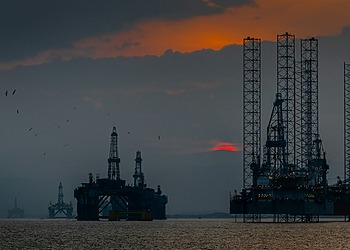
- Gulf Oil Industry Exempted from ESA: The U.S. Endangered Species Committee granted the Gulf of Mexico oil sector exemptions from environmental protections, citing national security amid global supply cuts.
- China Resells LNG to Asia: With domestic supply sufficient, Chinese firms are exporting record LNG volumes to neighboring countries facing shortages, pushing regional prices higher.
- Amazon Partners with DOE on Critical Materials: Amazon and the DOE aim to recycle waste streams into battery-grade materials like graphite and gallium to strengthen U.S. supply chains.
Asia’s shift back to coal amid energy shortages
Asian governments are significantly increasing their use of coal, the world’s “dirtiest” fossil fuel, to mitigate massive energy shortfalls. The energy gap is a direct result of the U.S.-Israel war on Iran, which has disrupted global fuel supplies. The effective closure of the Strait of Hormuz has cut off approximately a fifth of global liquefied natural gas (LNG) shipments, removing 30bn cubic meters from global supply chains. More than 80% of this missing gas has vanished, specifically in the Indo-Pacific region.
Many countries previously used LNG as a “bridge fuel” to transition away from coal, but the sudden supply deficit has forced a return to cheaper, more accessible coal reserves. In India, where coal already accounts for nearly 75% of power generation, plants are now being pushed to maximum capacity. Some nations, such as the Philippines, have declared “national energy emergencies”: the Philippines and Sri Lanka have implemented 4-day workweeks for government staff, Vietnam has encouraged remote work, and Bangladesh has closed universities early and increased planned blackouts.
***
Further reading: Asia ramps up use of dirty fuels to cover energy shortfall triggered by Iran war
Klimado – Navigating climate complexity just got easier. Klimado offers a user-friendly platform for tracking local and global environmental shifts, making it an essential tool for climate-aware individuals and organizations.
Gulf oil industry granted ESA exemption amid energy supply concerns
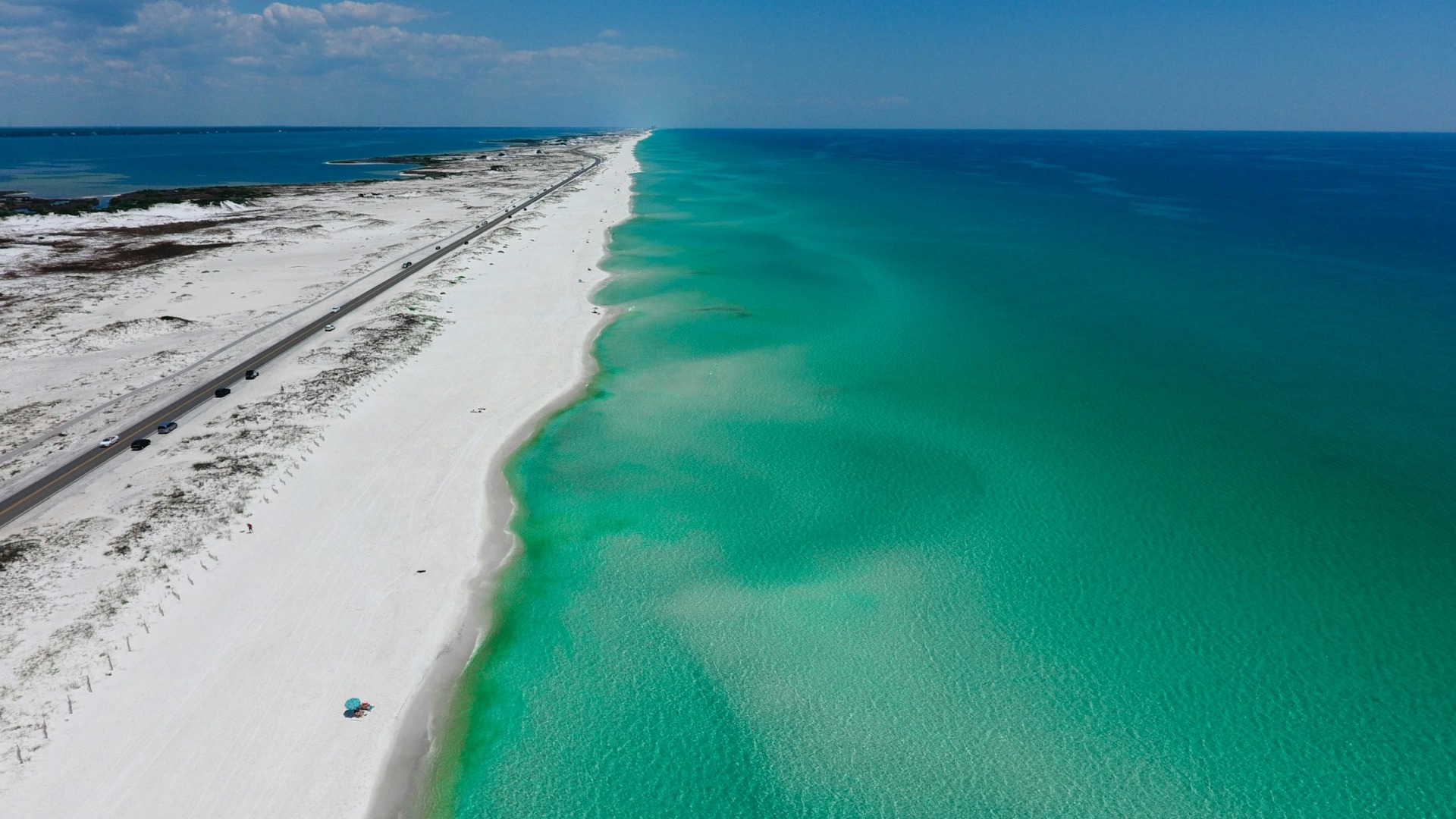
The Endangered Species Committee (the “God Squad”) voted unanimously to exempt the Gulf of Mexico oil and gas industry from the Endangered Species Act (ESA). An exemption was approved on grounds of “national security.” Defense Secretary Pete Hegseth argued that environmental litigation was threatening domestic energy production.
The Gulf of Mexico accounts for 15% of U.S. crude oil production. This decision comes as the war in Iran has cut off a fifth (20%) of the world’s oil and liquefied natural gas supply.
The exemptions affect protection for whales, birds, and sea turtles. Specifically, it impacts the Rice’s whale, which vessel strikes, oil spills, and climate change threaten, a federal analysis found. With fewer than 100 remaining, environmental groups (Sierra Club and Center for Biological Diversity) have challenged the decision in federal court. In contrast, industry groups (National Ocean Industries Association) support the move to stop “serial litigation.”
***
Further reading: US exempts Gulf of Mexico drillers from endangered species rules
Related Articles
Here is a list of articles selected by our Editorial Board that have gained significant interest from the public:
China resells LNG to Asia as regional supply tightens and prices rise
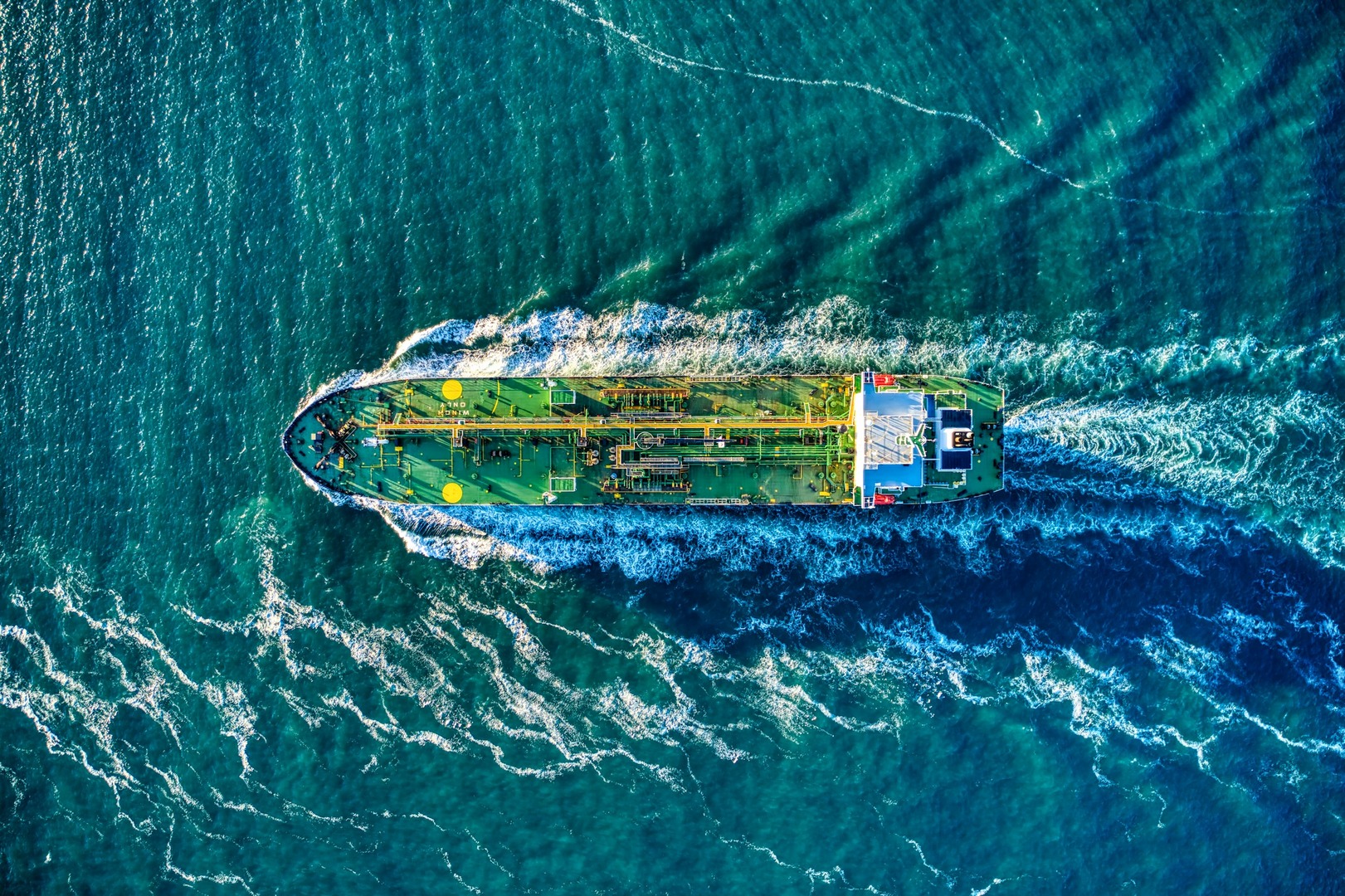
Chinese firms are reselling record volumes of LNG to other Asian nations to capitalize on soaring spot prices. While countries like South Korea and Thailand are scrambling for fuel due to the Iran war, China has enough domestic production and Russian pipeline gas to meet its own weakened demand.
China reloaded a record 8 to 10 cargoes in March, bringing its total so far this year to 1.31 million metric tons (19 cargoes). This is a big jump from the 0.82 million tons that were resold in all of 2025. This change comes after the disruption of the Strait of Hormuz, which carries about 20% of the world’s LNG supply, causing Asian LNG prices to rise by 85% since February 28.
Additionally, China’s own LNG imports fell to 3.68 million tons in March, the lowest level since April 2018. The country, which previously accounted for nearly 25% of Qatar’s shipments, is now acting as a supplier to the region, even after banning the export of refined fuels last month to preserve its own crude supply.
***
Further reading: In tight global market, well-positioned China resells record LNG volumes

Amazon and DOE partner to recover critical materials from waste streams

Amazon is working with the Critical Materials Innovation (CMI) Hub and the DOE’s Ames National Laboratory to turn waste into critical materials. The project fits the Trump administration’s “Unleashing American Energy” executive order, which strives to make the supply chain stronger and less reliant on imports from other countries.
In August 2025, the DOE announced that it would give $1 billion to help U.S. critical mineral production and supply. More than half of that money will go to processing, manufacturing, and recycling battery materials.
A key project involves exploring methods to produce battery-grade graphite from post-consumer textiles (discarded clothing). The CMI and Amazon Web Services (AWS) will work together to find out how to get minerals like gallium from old IT hardware.
***
Further reading: U.S. DOE Partners with Amazon to Recover Critical Materials from Clothing, Tech Waste
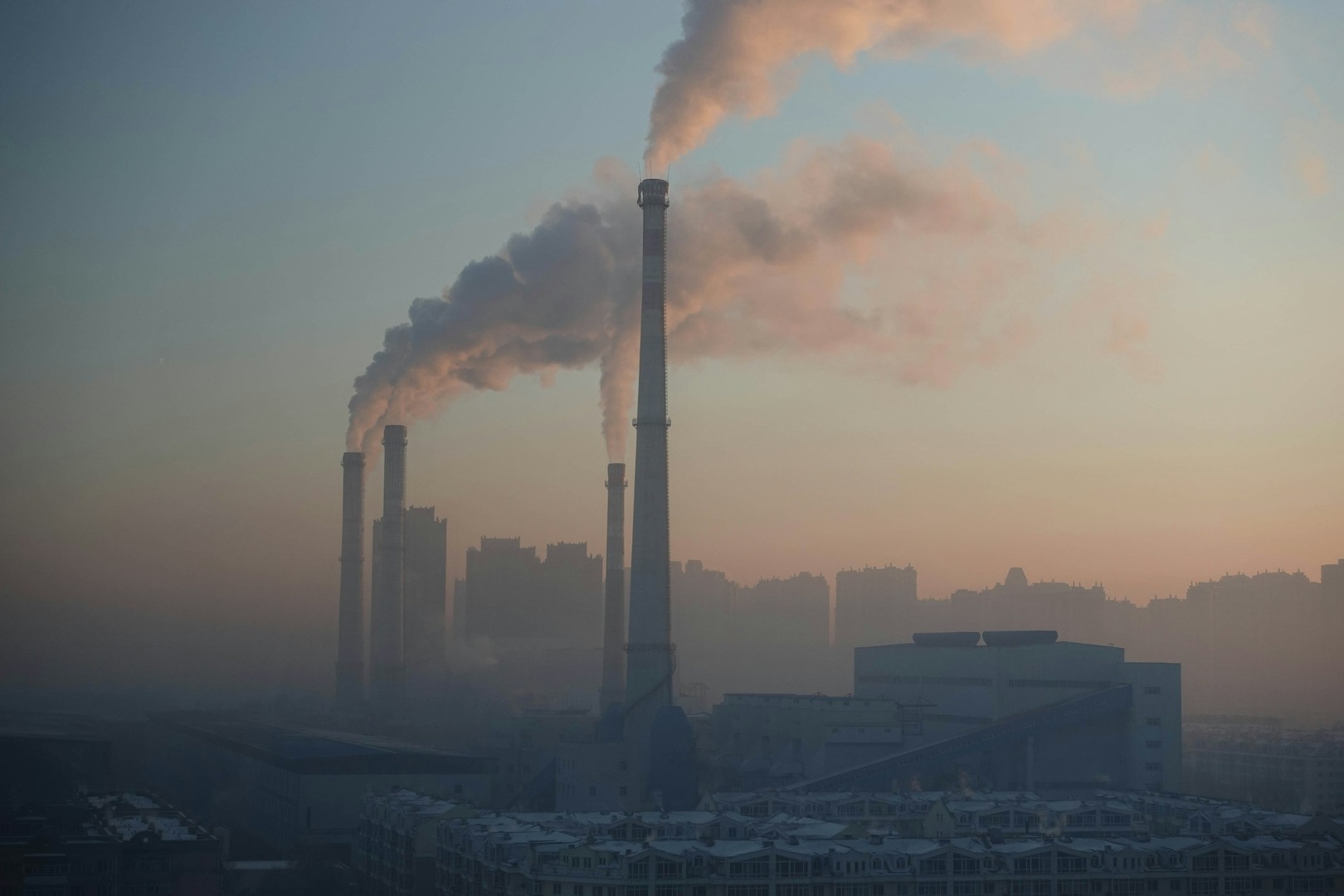
Editor’s Note: The opinions expressed here by the authors are their own, not those of impakter.com — In the Cover Photo: A coal-fired power station in Harbin, China. Cover Photo Credit: Ziang Guo