Today’s ESG Updates:
- Asia-Pacific Shares Drop on Gulf War Fears: Asia-Pacific shares fell amid escalating Gulf War fears, pushing oil and inflation risks higher.
- China’s Sinopec Posts 36.8% Drop in 2025 Net Profit on Weak Petrochemical Margins: Sinopec’s 2025 net profit plunged 36.8% to 31.8 billion yuan, hit by weak petrochemical margins and rising competition from new energy substitutes.
- Vietnam and Russia to Sign Energy Deal: The deal focuses on oil and gas cooperation and nuclear power projects to help Vietnam secure its fuel supply amid rising prices and global disruptions.
- Slovenia Limits Fuel Purchases as Some Pumps Run Dry: Slovenia has capped fuel purchases for private cars and businesses to ease local shortages caused by cross‑border fuel runs and stockpiling.
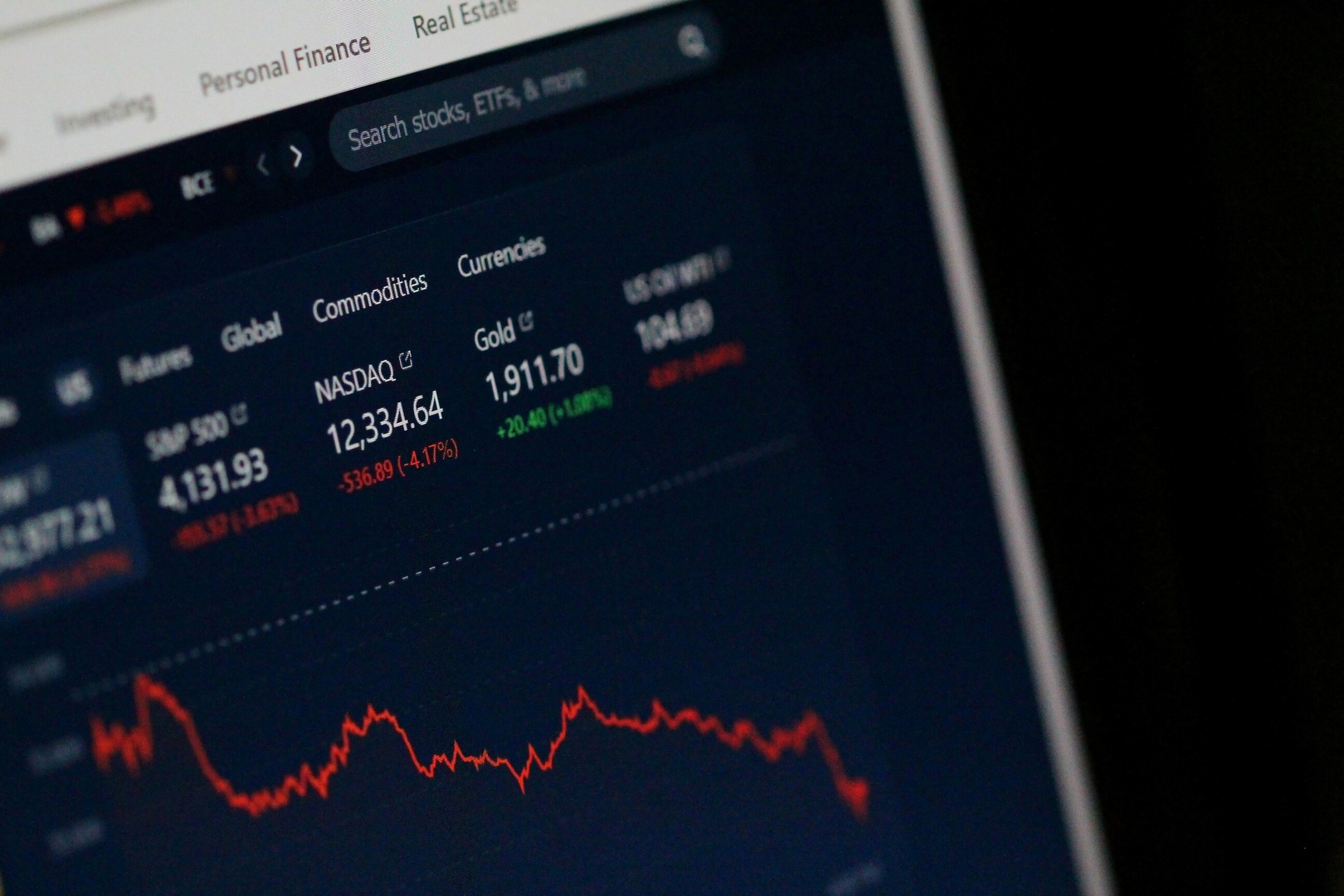
Asia-Pacific shares drop on Gulf War fears
Asia‑Pacific shares slid, and the dollar firmed on Monday as the U.S. and Iran exchanged escalating threats over energy targets. Israel prepared for “weeks” more fighting, pushing oil prices on another wild ride and hardening global inflation risks.
Australian and New Zealand benchmarks fell 1.7% and 1.1%, respectively, while Japan’s Nikkei futures dropped to around 50,850 from a Friday close near 53,372, and S&P 500 and Nasdaq futures eased 0.1–0.2% on risk-off sentiment.
Brent crude slipped 0.3% to about $111.82 a barrel but is still up roughly 55% this month. U.S. crude dipped to $98.01, and flows such as Asian LNG and Singapore jet fuel have surged by around 130–175% this year, sharply raising shipping and food‑input costs.
Markets have scrapped bets on further global rate cuts and started pricing in hikes instead, wiping out expectations for 50 basis points of Fed easing this year and pushing 10‑year U.S. Treasury yields up about 42 basis points since the war began. At the same time, the dollar rose to about ¥159.44, and the euro hovered near $1.15 with downside support levels in view.
***
Further reading: Asia Shares Slide as Gulf War Fears Push Oil and Inflation Risks Higher
Klimado – Navigate climate complexity with a user-friendly platform that tracks global and local environmental changes for ESG-conscious decision-making. Perfect for investors, companies, and policymakers seeking actionable insights on sustainability trends.
China’s Sinopec posts 36.8% drop in 2025 net profit on weak petrochemical margins
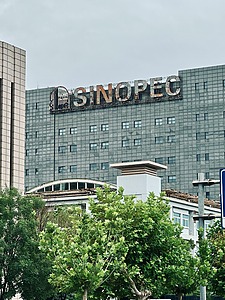
Sinopec’s 2025 net profit fell 36.8% to 31.8 billion yuan as weak petrochemical margins and growing competition from new‑energy sources hit earnings. Refinery throughput edged down 0.8% to 250.33 million metric tonnes, while petrol and diesel production dropped 2.4% and 9.1%, respectively, and kerosene output rose 7.3%. Chemical‑product external sales revenue fell 9.6% to 378.0 billion yuan due to lower prices, even though ethylene production jumped 13.5% to 15.28 million tonnes.
Sinopec plans 2026 capital spending of 131.6–148.6 billion yuan, including a 72.3 billion yuan budget for exploration and development.
***
Further reading: China’s Sinopec posts 36.8% drop in 2025 net profit on weak petrochemical margins, new energy substitution
Vietnam and Russia to sign energy deal
Vietnam and Russia are set to sign new energy agreements during Prime Minister Pham Minh Chinh’s visit to Russia from 22–25 March 2026, including deals on oil and gas cooperation and nuclear power plant projects.
The talks aim to strengthen Vietnam’s energy security amid global supply disruptions linked to the Middle East conflict, which has already pushed up 95‑octane petrol and diesel prices by about 50–70%.
Vietnam is also seeking fuel support from several other countries, including Qatar, Kuwait, Algeria, and Japan, while deepening trade, investment, and human‑resource cooperation with Russia.
***
Further reading: Vietnam, Russia to sign energy deal: Hanoi

Slovenia limits fuel purchases as some pumps run dry
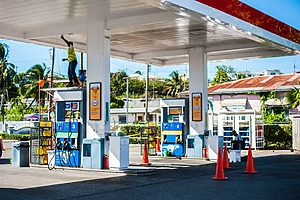
Slovenia has temporarily capped fuel purchases because many pumps ran dry amid a surge in cross‑border “fuel tourism” and local stockpiling, particularly ahead of elections. Private drivers are now limited to about 50 litres per day at individual stations, while businesses, farmers, and other legal entities can buy up to 200 litres per day.
The government says national warehouses are still full. Still, shortages at the pump stem from logistics and distribution problems, so it has deployed the army to help move fuel and keep supplies.
***
Further reading: Slovenia limits fuel purchases as some pumps run dry
Editor’s Note: The opinions expressed here by the authors are their own, not those of impakter.com — In the Cover Photo: Share prices. Cover Photo Credit: Anne Nygård on Unsplash