Today’s ESG Updates
- Anthropic Plans Legal Fight Over Pentagon Supply-Chain Designation: The designation could block Anthropic from defense contracts as rival OpenAI moves to partner with the Pentagon.
- Europe Targets Industrial Revival With New Low-Carbon Manufacturing Law: The legislation introduces procurement rules prioritizing “Made in EU” industrial products in sectors including steel, cement and clean energy equipment.
- EU Finalizes 90% Emissions Cut Target for 2040 Despite Political Pushback: EU member states have given final approval to a legally binding target to cut greenhouse gas emissions by 90% by 2040, advancing the bloc’s long-term climate strategy.
- China Cuts Growth Forecast While Pivoting to Tech and Consumption: China has lowered its annual growth target, signalling a cautious economic outlook as the government prepares a new five-year development strategy.
Pentagon blocks Anthropic from defense contracts amid AI control dispute
Anthropic plans to challenge a decision by the U.S. Department of Defense to classify the company as a supply-chain risk, a designation that could prevent it from working with the Pentagon and its contractors. CEO Dario Amodei said the label was “legally unsound” and stressed that the move only affects the use of Anthropic’s AI system Claude in direct Department of Defense contracts.
The dispute stems from disagreements over how much control the military should have over AI systems. Amodei said Anthropic has drawn a firm boundary that its technology will not be used for mass surveillance of Americans or fully autonomous weapons, while the Pentagon reportedly sought access for “all lawful purposes.” Amodei argued that the designation is meant “to protect the government rather than to punish a supplier” and that the law requires officials to use “the least restrictive means necessary to protect the supply chain.”
The controversy intensified after an internal memo from Amodei, which described rival OpenAI’s defense work as “safety theater”, was leaked. Despite the conflict, Amodei said Anthropic will continue providing its models to U.S. defense operations at “nominal cost” while the situation is resolved.
***
Further reading: Anthropic to challenge DOD’s supply-chain label in court
Klimado – Navigating climate complexity just got easier. Klimado offers a user-friendly platform for tracking local and global environmental shifts, making it an essential tool for climate-aware individuals and organizations.
EU unveils plan to expand “Made in EU” clean industry demand

The European Commission has introduced the Industrial Accelerator Act, a legislative proposal aimed at expanding demand for low-carbon technologies produced in Europe while strengthening the bloc’s industrial base. The initiative combines procurement reforms, investment conditions, and regulatory changes to support domestic manufacturing across sectors such as steel, cement, aluminium, vehicles, and clean energy equipment.
At the centre of the proposal is a new procurement framework that prioritizes low-carbon and “Made in EU” industrial products. Officials say public spending can help create predictable demand and “provide long-term investment certainty for manufacturers.” The legislation also addresses supply-chain vulnerabilities by encouraging domestic production and setting new conditions for large foreign investments in strategic sectors. According to the Commission, these investments must demonstrate “clear economic value for the EU” through technology transfer, innovation, and job creation.
The policy forms part of a broader effort to raise manufacturing’s share of EU GDP from 14.3% to 20% by 2035.
***
Further reading: EU Proposes Industrial Accelerator Act To Boost Low Carbon Manufacturing
Related Articles
Here is a list of articles selected by our Editorial Board that have gained significant interest from the public:
EU Countries approve 2040 climate target to cut emissions 90%
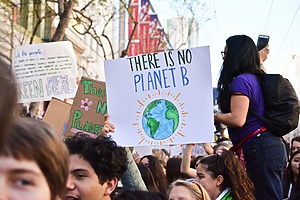
EU countries have given final approval to a legally binding climate target to reduce greenhouse gas emissions by 90% by 2040, moving forward with one of the world’s most ambitious climate policies. The target represents a compromise between countries pushing for stronger climate action and those concerned about economic impacts. While the overall goal is a 90% reduction, in practice the plan requires about an 85% cut in domestic emissions from European industries compared with 1990 levels. The remaining reductions could come from international carbon credits that allow other countries to “cut emissions on Europe’s behalf.” Some governments opposed the plan, arguing that industries face high transition costs. The deal also delays the launch of a new EU carbon market to 2028, reflecting continuing political debate over the pace and cost of the bloc’s green transition.
***
Further reading: EU countries give final approval to 2040 climate target for 90% emissions cut

China lowers economic growth goal to 4.5–5% as challenges mount
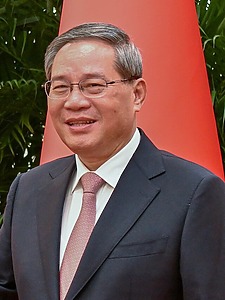
China has set its lowest economic growth target since 1991, aiming for expansion between 4.5% and 5% as the government navigates mounting economic challenges. The revised target was announced during the country’s annual “two sessions” political gathering, where officials also outlined early priorities for the next five-year development plan.
In a report to delegates, Premier Li Qiang said the new strategy will focus on innovation, scientific research, and boosting domestic consumption, as Beijing seeks to reduce reliance on exports. The plan also includes more than 100 major projects to expand industrial capacity in sectors such as technology, transport, and energy. Officials say China intends to strengthen its position as a global technology leader while expanding the use of artificial intelligence across industries. However, some economists remain cautious, warning that official growth data should be taken “with a grain of salt” amid weak consumer spending and a prolonged property market crisis.
***
Further reading: China Sets Lowest Growth Forecast Since 1991
Editor’s Note: The opinions expressed here by the authors are their own, not those of impakter.com — In the Cover Photo: AI Policy Rift Between Anthropic and U.S. Defense Department. Cover Photo Credit: Solen Feyissa