There are many reasons for engaging in foreign assistance, and they are best encapsulated in the concept of “soft power,” a term coined by Joseph Nye in the late 1980s to describe the ability to influence others through attraction and persuasion rather than coercion (hard power).
For reasons best known to himself, President Trump has allowed Elon Musk’s DOGE machine to put USAID through the shredder, effectively demolishing American soft power and, along with it, one of the major pillars of American leadership in the world. In this article, I’m exploring what effectively got destroyed on the basis of my own experience as a diplomat.
In mid-1968, I went to Peru at a time when the U.S. had a large Alliance for Progress assistance program and a staff size to match. In two months, there was a military coup that seized the International Petroleum Company, a subsidiary of the oil giant Esso, for which the Peruvian Government was not willing to pay.
This event triggered the Hickenlooper Amendment to the Foreign Assistance Act of 1961, which required that the U.S. terminate foreign assistance programs in countries that expropriated the property of U.S. citizens (corporate or personal) without conforming to standards of international law, e.g., without adequate compensation.
The tolling period for the Hickenlooper Amendment began. As a result, U.S. staff presence was dramatically reduced, only sufficient to allow the disbursement of already approved funds.
Very quickly, the Russians and Cubans came to fill the vacuum. In 1970 one of the world’s most deadly earthquakes took place in Peru. Known as the Great Peruvian Earthquake, it caused an estimated 70,000 deaths.
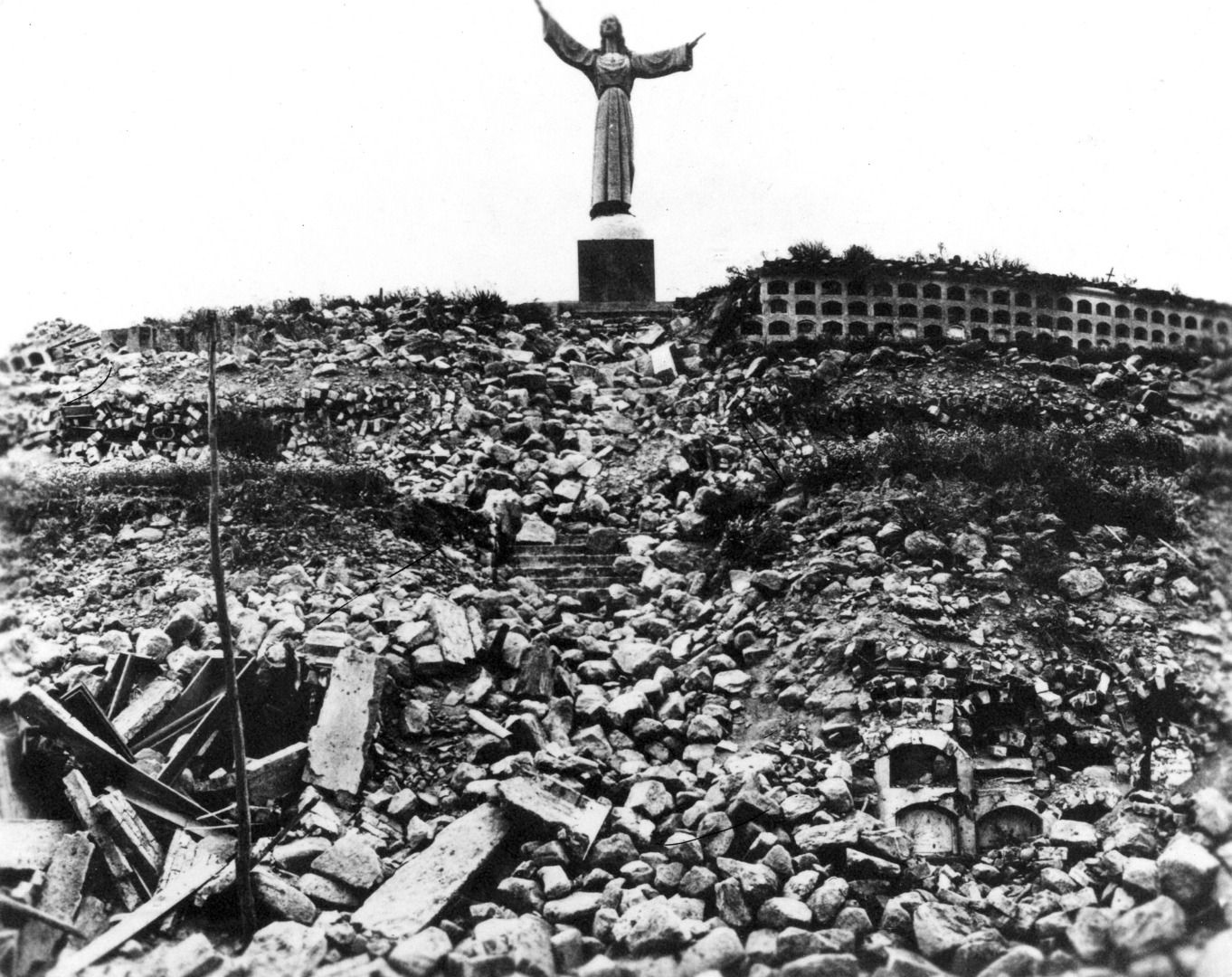
President Richard Nixon quickly approved disaster assistance, which then led to the resumption of US support to Peru. It was done, of course, at its face value to respond to a humanitarian tragedy, but it was also an opportunity to improve political and diplomatic relations.
The point here is that short-term withdrawal of assistance is likely to be regretted and resumed for reasons that include maintaining multiple US interests.
Is there a lesson here for the Trump Administration?
Possibly, in that Trump’s decision to stop foreign aid to all but Israel and Egypt, and a few exceptions (how Ukraine is to be treated is still unclear), is strictly political in terms of what it sees as its immediate needs. Let’s be frank: there are virtually no or minimal links to humanitarian or economic development goals. Soft power opportunities are totally disregarded.
What such a myopic posture misses is that our modern world is comprised of over 190 countries, with tomorrow’s minor actors having much greater importance. There is a real political need for alliances or at the very least, establishing good relations with a wide range of countries in all regions, those with relative wealth or poverty, technological know-how, and military and terrorist capabilities.
What history tells us about American foreign assistance
A look back at history is useful in understanding what we did and where we are now: After World War 1, it was understandable we wanted and reverted to isolationism. It is not the case now because many global issues, such as climate change, infectious diseases, and the availability of weapons of mass destruction, are our reality.
That said, the focus here will be on the impact on United States alliances and leadership, which will be weakened in terms of national security, in international fora, and elsewhere. It will strengthen the hands of America’s major competitors — China, Russia, and, to a lesser degree, the Gulf States — each with different interests and objectives, at the expense of the United States.
The likely result will mean a significant potential loss for Americans in terms of individual safety, confidence in doing business abroad, and ease of travel overseas. But for current friends of America they may have second thoughts about coming to the United States as tourists, students, or engaging in commerce.
Related Articles: Trump’s Elimination of USAID: What it Means | USAID and the Transformation of Developing Countries | Trump’s USAid Cuts Will Decimate Global Climate Finance
Simply put, foreign assistance directly and indirectly impacts recipient countries, affecting their citizens’ lives and their leaders’ policies and, ultimately, affecting where they are positioned on regional and global issues. We have to remember that America, with plentiful funding at its disposal in the post-World War II period, was particularly well-placed to exercise this type of “soft power” impact.
As everyone knows, it began with the Marshall Plan. In more recent years, probably the most recognized, appreciated, and long-lasting example of foreign assistance was the initiation in 2003 of the President’s Emergency Plan for AIDS Relief (PEPFAR) by President George Bush.
The countless lives PEPFAR saved and the impact it had on countries, seeing America as living up to its rhetoric, is ongoing and hugely beneficial.
Humanitarian relief when severe weather events devastate small island developing states (SIDS) in both the Pacific and the Caribbean is another example. These countries are on the front line of climate change, making them particularly vulnerable to increased frequency and intensity of extreme weather and hurricane events. USAID’s work in these regions went beyond just humanitarian relief and included support for disaster preparedness and early warning as well as climate adaptation measures in the aftermath of severe events.
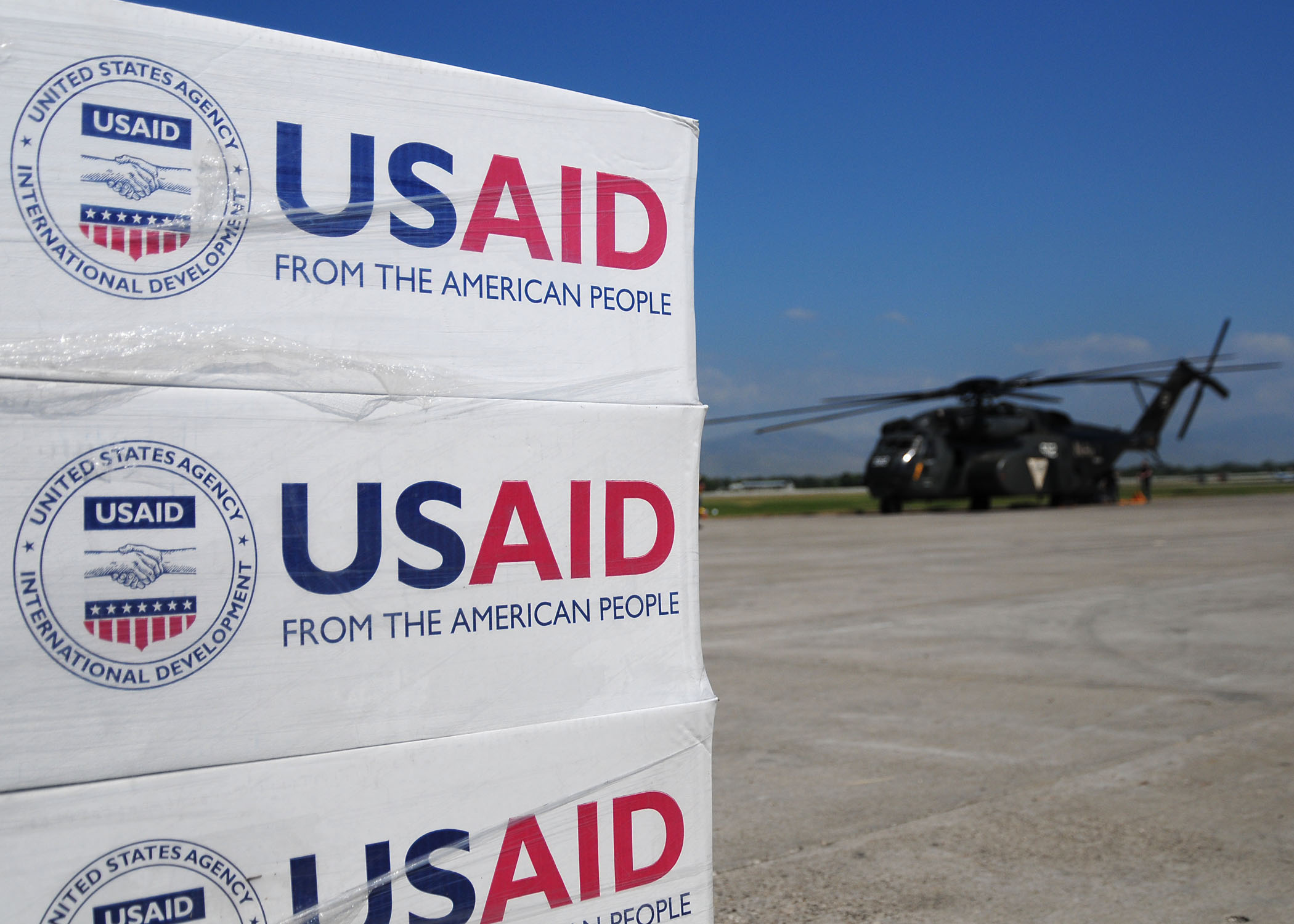
Less visible are the complementary tools it provides U.S. negotiators in trade, treaty, or de facto security agreements. These are instances in which having more than what’s on the table, so to speak, makes the difference between success and failure.
As with any program in the U.S., whether national, state, or local, there is often waste and room for improvement and oversight. But it has become too easy for the Trump administration to convince the public that a few examples are indicative of the whole. As was the case with Peru over six decades ago, there will come a time when the US wants foreign assistance back, big time. I only hope it will not be too late.
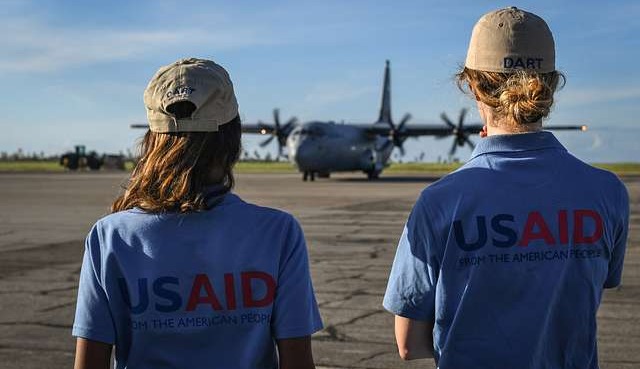
Editor’s Note: The opinions expressed here by the authors are their own, not those of impakter.com — In the Cover Photo: U.S. Agency for International Development (USAID) workers wait for a flight on a C-130J Hercules assigned to the 75th Expeditionary Airlift Squadron, Combined Joint Task Force-Horn of Africa, in Beira, Mozambique, April 3, 2019. Cover Photo Credit: NARA.