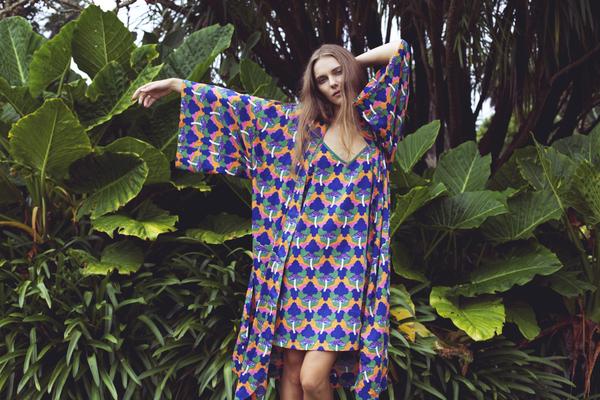
When it comes to making a stain on the environment, undergarments and sleepwear are probably not the first thing you come to think of as a main perpetrator. However, as a garment they are the most used and discarded item kept in anyones’ wardrobe. When you start to imagine the annual rate of discarded underwear filling up landfills it can leave an unsavoury picture and an unnecessary one too.
Alas, a clothing brand, has built a reputation as an ethical and respected sleepwear manufacturer, that won’t keep you up at night thinking of the awful mark your pyjamas may have left on the environment. With humble beginnings in 2011, Alas has furthered its reputation around the world for well designed, high quality and sustainably produced sleepwear; with each item crafted from seed to cloth in India under fair trade regulations. I spoke to Kelly Elkin, founder of Alas, to find out more about the sustainable mission and the future of the business in a changing industry.
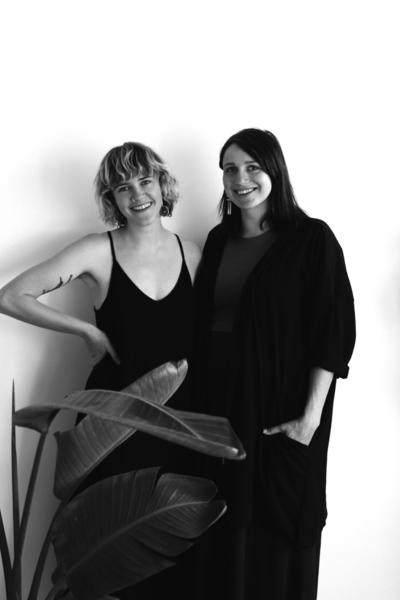
In the photo: Kelly Elkin (left) and Betony Dircks
Credit: Alas
Q: How did the idea for Alas originate? And how does sustainability fit into the equation?
KE: Betony Dircks and I had worked together in design roles for sustainable brands and initiatives in Australia and in the U.K. We had always aspired to creating our own label and it was always a given we would maximise our positive social impact and minimise our environmental impact. For us, it is common sense, if you are going to create something you should do it responsibly, and after seeing a demand for well designed organic and ethically produced basics and sleepwear, ALAS was founded in 2011.
Q: How does Alas adhere to its values and mission while also staying competitive? Is there a unique business model that you use?
KE: Since the beginning we have always been very conscious of making sure that we are making something that people will want. The last thing we want is for one of our products to end up in a landfill; the product must have longevity and can sit easily alongside a non-organic or ‘non-ethical’ brand. It is important, as brands in this (sustainable) space, that we can prove that you don’t need to compromise your style for your ethos. This is something we consider when choosing fabrics, decide on cut, style and colours. It was important for us, especially back in 2011 to show that organic fabric is soft. It can be dyed free of harmful AZO’s, formaldehyde, and still be vibrant. And of course that the manufacturing is done by people that are treated with respect.
Our philosophy is so ingrained in our manufacturing decisions, this means we will only work with people that share the same ethos, which I suppose by and large does mean we use a different business model to the rest of the industry. In the beginning, we did come across challenges to find the right fabrics and producers, but, over the years as we have grown we have been able to navigate this much easier and build trust between our suppliers.
Q: Are there any unique challenges for sustainability in the clothing/sleepwear industry? How does Alas overcome these challenges?
KE: Sourcing has definitely become a lot easier with the popularity of more sustainable fibres, however, because of this there are a lot more suppliers out there selling ‘eco fibres’. We have to ask a lot of questions and ensure accreditation is there these days. The rise of organic cotton production with fast fashion brands has also meant an increase in cheaper quality organic fabrics and we always have to remind suppliers that we don’t want cheap, we want quality.
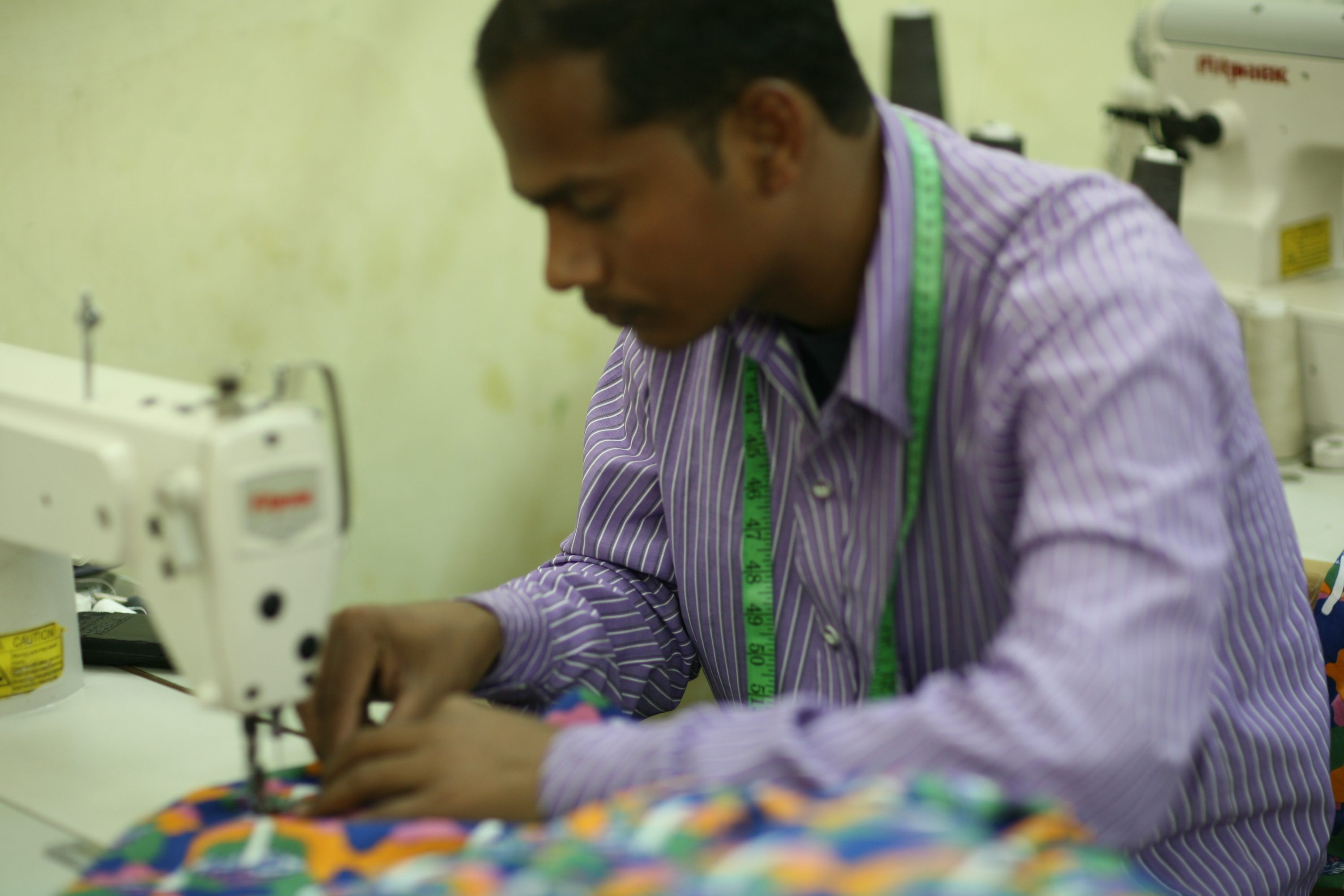
In the photo: A craftsman applying his trade on behalf of Alas in India Credit: Alas
Q: What are some of the criteria or things Alas looks for when sourcing its materials?
KE: We recently launched an activewear line which is made from recycled PET bottles, this is something we deliberated over for quite some time, as it originates from plastic and doesn’t biodegrade like cotton. We also received a lot of feedback from customers wanting something stretchier and more appropriate for their activewear, so we decided to go ahead as long as it was recycled and produced by ethical manufacturers. It can be about picking your battles.
Q: Were there any major milestones in your journey to where you are today? Where do you see the direction of the company headed in the future?
KE: I think our biggest milestone happened in our first year, we won an award for our commitment in ethical production and sustainable design by the Ethical Fashion Forum and this quickly opened us up to the international market. It was a very proud moment after all the hard work of finding the right suppliers and manufacturing, it proved we were on the right path.
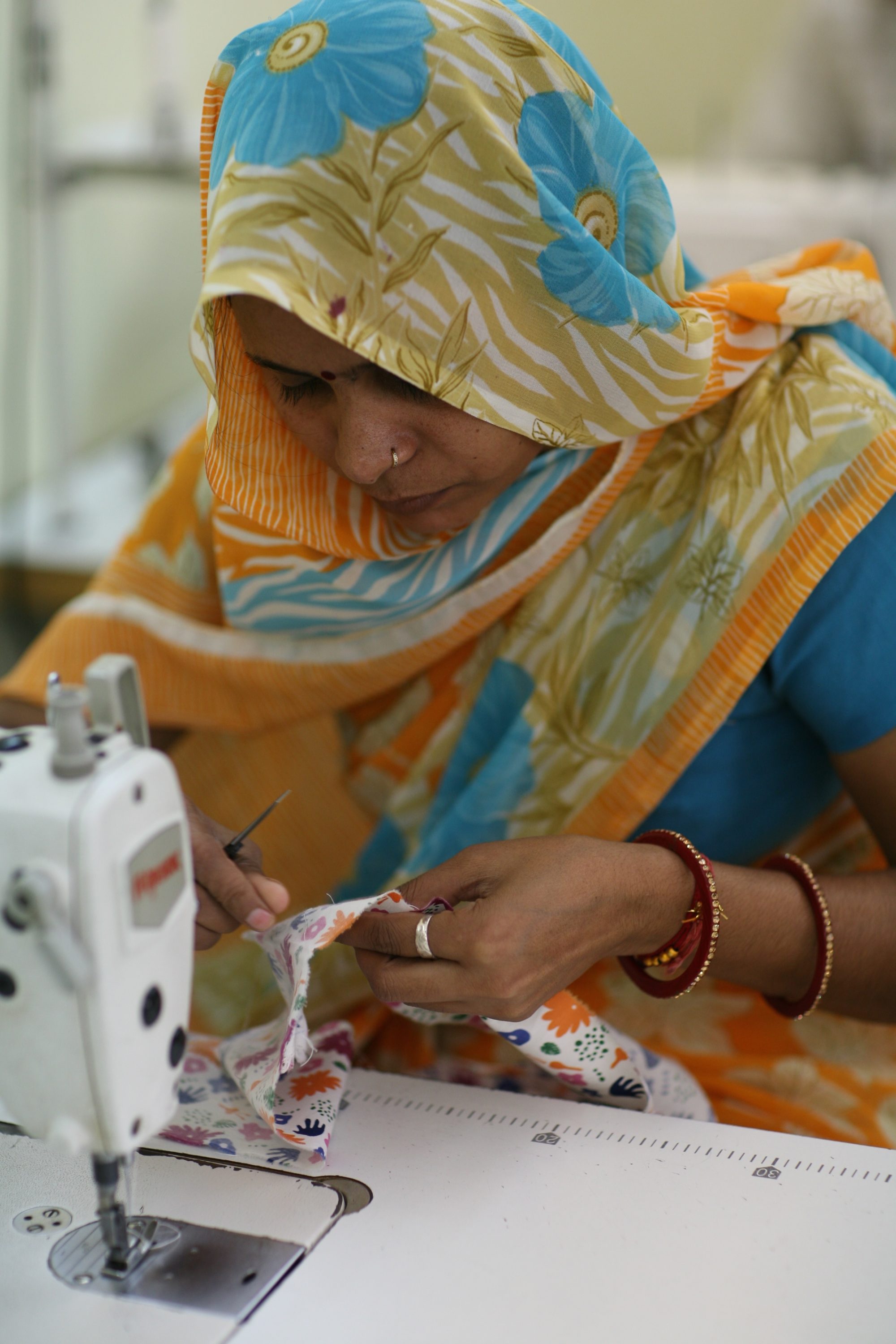
In the photo: A female craftsman using the sewing machine for Alas Credit: Alas
Q: What do you think is the future of sustainability, particularly relating to the clothing/sleepwear industry?
KE: Over the past few years there has definitely been a massive increase in awareness of the impact of our consumption habits, fashion is now widely known as the second most polluting industry in the world. This is affecting how people shop, the way customers choose which brands to support and therefore we are seeing the larger brands slowly becoming more accountable. We still have a long way to go, but with the rise of awareness, the ability to share a message, the world is starting to wake up to the fact that if you care about our planet you have to care about where your clothes come from too.
Editors note: The opinions expressed here by Impakter.com columnists are their own, not those of Impakter.com