Haiti, a country with a long history of failed development projects, has its particular problems when it comes to attaining the Sustainable Development Goals (SDGs). Indeed, when considering SDG 6 regarding water, one might think that the authors neglected to include Haiti when they set these goals.
The goals of section 6:
6.1 By 2030, achieve universal and equitable access to safe and affordable drinking water for all
6.2 By 2030, achieve access to adequate and equitable sanitation and hygiene for all and end open defecation, paying special attention to the needs of women and girls and those in vulnerable situations
6.3 By 2030, improve water quality by reducing pollution, eliminating dumping and minimizing release of hazardous chemicals and materials, halving the proportion of untreated wastewater and substantially increasing recycling and safe reuse globally
6.4 By 2030, substantially increase water-use efficiency across all sectors and ensure sustainable withdrawals and supply of freshwater to address water scarcity and substantially reduce the number of people suffering from water scarcity
6.5 By 2030, implement integrated water resources management at all levels, including through transboundary cooperation as appropriate
6.6 By 2020, protect and restore water-related ecosystems, including mountains, forests, wetlands, rivers, aquifers and lakes
6.a By 2030, expand international cooperation and capacity-building support to developing countries in water- and sanitation-related activities and programmes, including water harvesting, desalination, water efficiency, wastewater treatment, recycling and reuse technologies
6.b Support and strengthen the participation of local communities in improving water and sanitation management
 IN THE PHOTO: AN IRRIGATION CANAL IN THE ARTIBONITE VALLEY IN HAITI WHERE THE BULK OF HAITI’S RICE IS GROWN. PHOTO CREDIT: CLEAN WATER FOR HAITI / LESLIE ROLLING
Haiti has one of the world’s worst water problems; while water is plentiful in Haiti, access to safe water is very limited. Many people collect water from the same sources that their grandparents and great-grandparents used. Unlike conditions may have been 50 years ago, however, these sources are most often contaminated with fecal coliform. In the rice growing areas, water is taken straight from mud-brown irrigation canals. With a lack of latrines throughout the country, open defecation is a major concern. It is one of the leading factors contributing to water contamination.
Evidence of just how dangerous Haiti’s water situation is came in 2010 when cholera was brought to Haiti. Within two weeks of the first case, cholera was present in each of Haiti’s regions. There were over 10,000 reported deaths, with over 800,000 total cases in this country of 10.5 million people. Haiti has made great strides in fighting cholera since then, especially in the area of public health education. But the disease remains, always threatening a new outbreak.
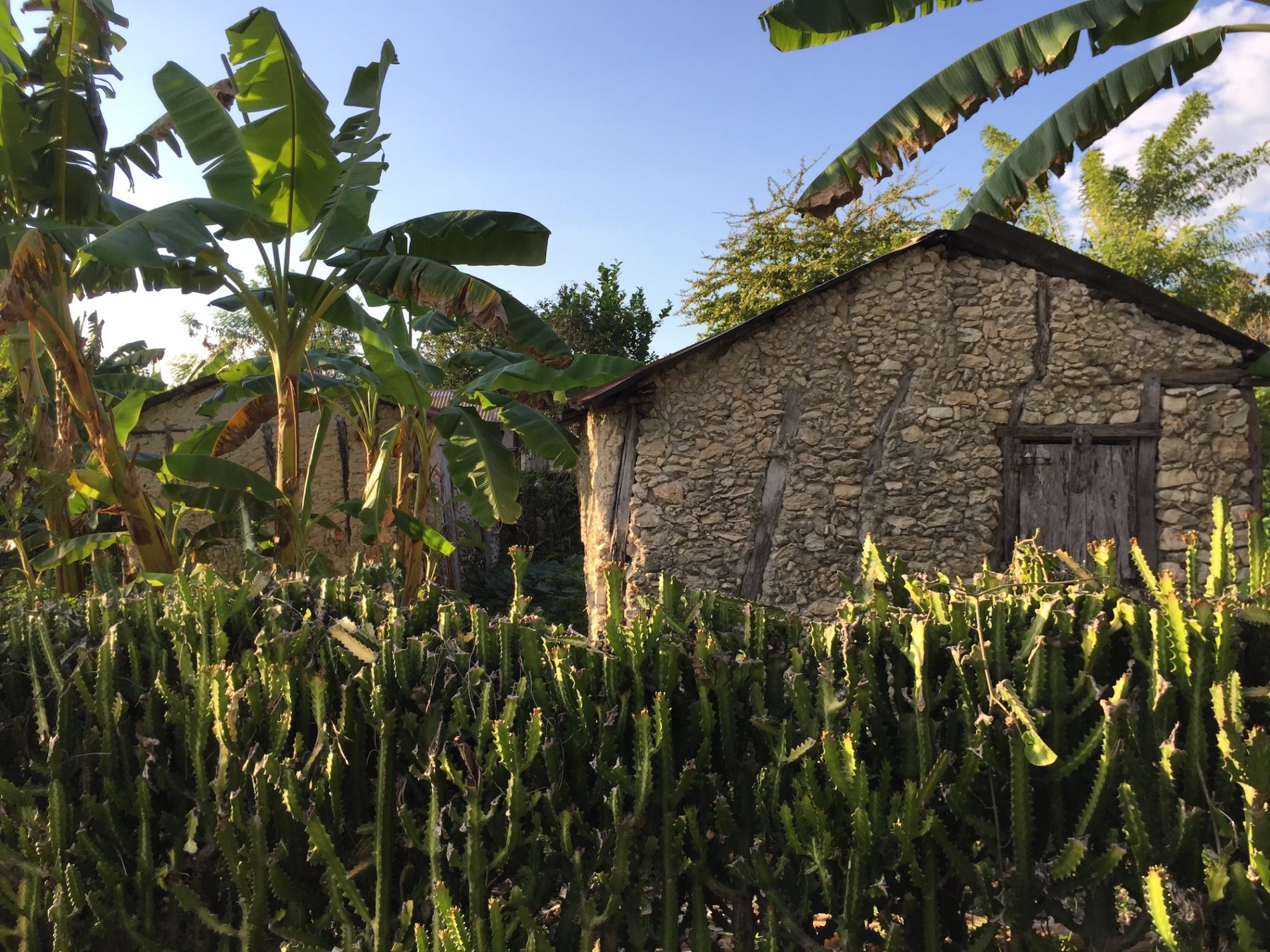 IN THE PHOTO: A TYPICAL HOME IN HAITI’S RURAL COMMUNITIES. PHOTO CREDIT: CLEAN WATER FOR HAITI / LESLIE ROLLING
Depending on what measure you use, up to 70 percent of the population doesn’t have direct access to safe water. The political climate is unstable, and both the Haitian government and international organizations struggle to cope with widespread corruption.
Community participation is particularly difficult in Haiti. Development projects have been done “for” communities or even “to” communities, but only rarely with the guidance and leadership of communities. The reasons for this are layered and complex, and the parts that are played by Haiti’s religious and sociological complexities are beyond the scope of this article. Suffice it to say that in a country where even most residents of the capital city purchase water from water trucks, well managed community systems will not be created in the countryside any time soon.
In the case of Haiti and section 6 of the Sustainable Development Goals, we risk missing the goal entirely because the goals seem to dictate that reaching the goals require working closely with the government and developing community systems and institutions. It is certainly possible to reach the most important goal of all: 6.1 “By 2030, achieve universal and equitable access to safe and affordable drinking water for all.” However, it is necessary to put off the “best” solution, as described in the SDGs, in favor of the merely “better” one; that is to say, a solution that works around the harsh realities of Haiti.
The question needs to be asked, “If all this is true, then how do we find our way through, and actually do something that will make a difference over the long term?”
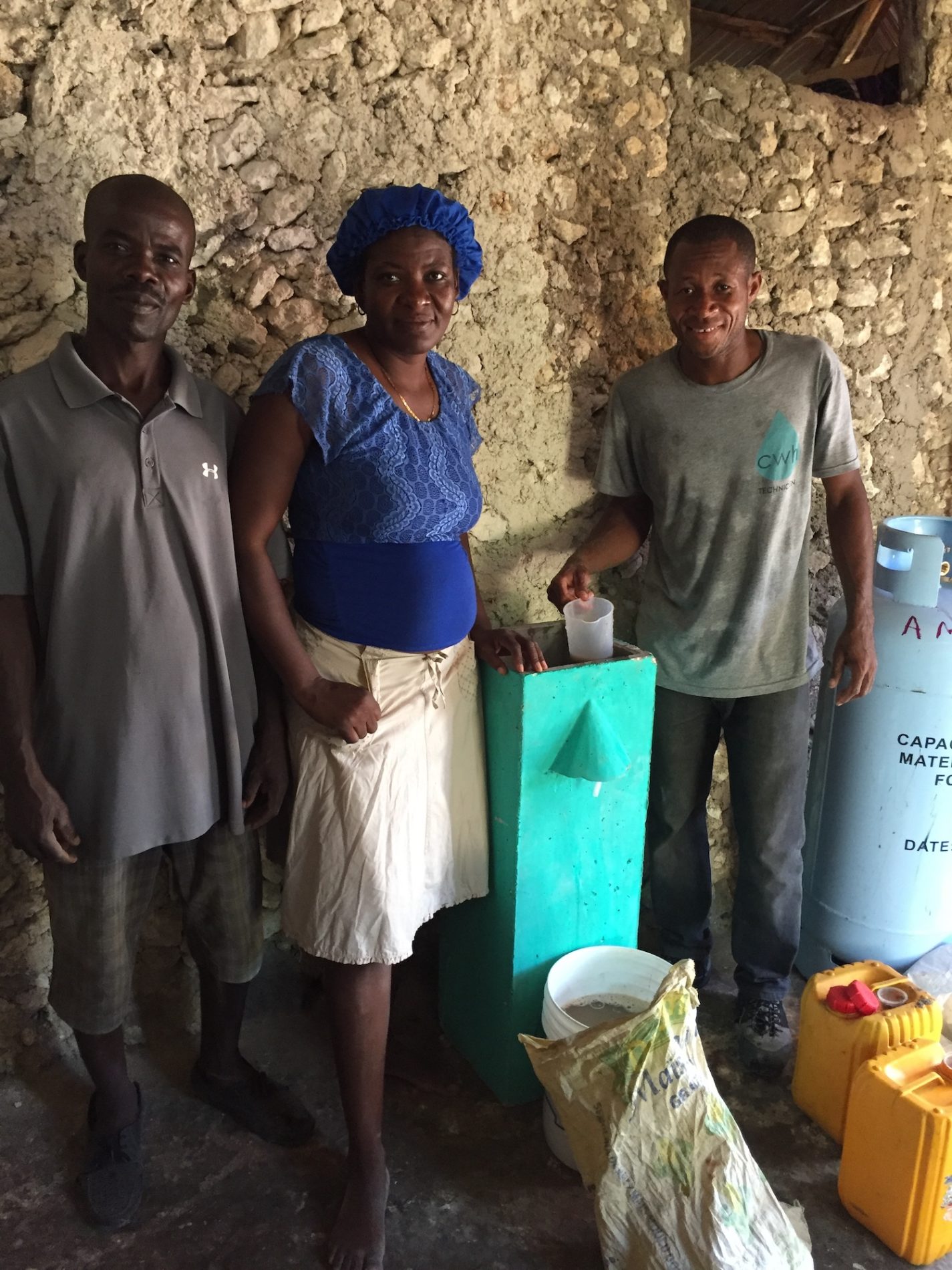 IN THE PHOTO: BENEFICIARIES AND A CWH FILTER TECHNICIAN WITH A NEWLY INSTALLED BIOSAND FILTER. PHOTO CREDIT: CLEAN WATER FOR HAITI / LESLIE ROLLING
I serve as Executive Director for an organization called Clean Water for Haiti. Our motto, chosen years ago, is “Empowering. Improving. Sustaining.” At the time it was simple and catchy. Over the years, though, it has been a check point for us. As an organization, we have spent the past 17 years developing, then implementing and refining a model of providing potable water in Haiti that is showing remarkable results. I am convinced that the key to the success of this project is empowerment.
After attempting to work at the community level, we quickly realized that our work was much more effective when we worked at the household level. Functional community systems with adequate oversight provided by local committees, as implied in the SDGs, is the best solution. However, with the numerous challenges that Haiti faces, what is needed at this time is an interim solution, a solution that can protect the health of the Haitian people now while Haiti is still working through so many of its other problems. This interim solution can be used as a foundation and a motivation to achieve better safe water access some time later on.
 IN THE PHOTO: A NEW FILTER OWNER RECEIVING USER EDUCATION FROM A CWH FILTER TECHNICIAN. PHOTO CREDIT: CLEAN WATER FOR HAITI / KIM SNYDER
One of the key aspects of Clean Water for Haiti’s program is that it focuses on the household level rather than the community level. When a family purchases their filter, they own it and take care of it as they would any other valuable possession. That family has been empowered to take control over the water they drink. Whatever else is going on in Haiti, be it a hurricane, earthquake or coup d’etat, that family has the power to make their own safe water and nobody can take it away from them.
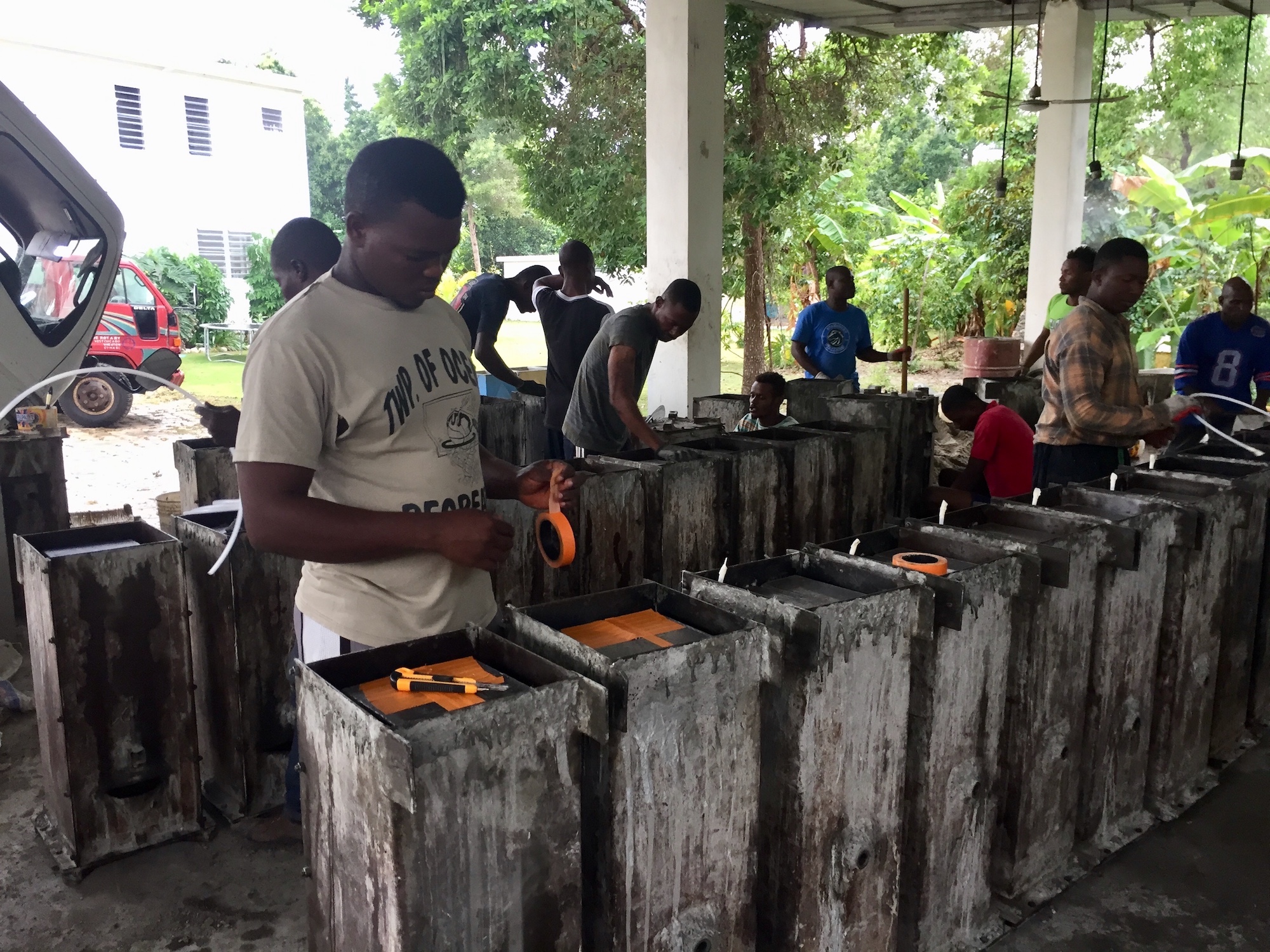
At the small manufacturing facility, filters are produced with local materials by Haitian staff. In a country struggling with economic development, providing full-time, steady employment has an added, positive effect.
The program uses a subsidized sales model. Each filter is sold for the equivalent of about $4USD. The small price paid is only a tiny fraction of the actual cost. However, $4 represents something close to a day’s salary in rural Haiti, and is a household investment. Only families with a real interest in improving their water situation will make the purchase. Because of this, it is rare for a filter to become abandoned. An unused or abandoned filter is nothing but a waste of donor money.
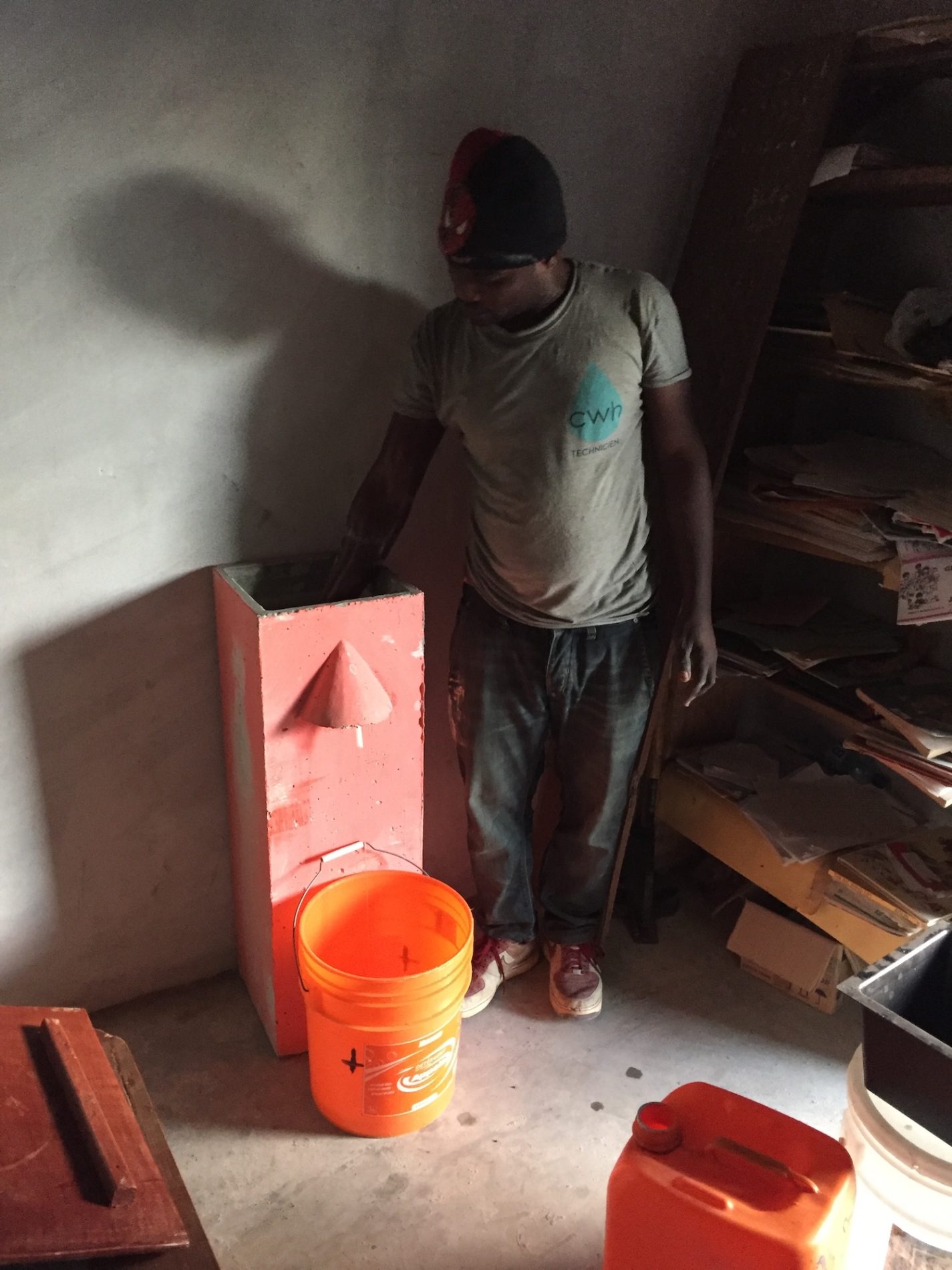 IN THE PHOTO: A CWH FILTER TECHNICIAN DURING THE INSTALLATION PROCESS. PHOTO CREDIT: CLEAN WATER FOR HAITI / LESLIE ROLLING
Deliveries and installations happen one truck-load at a time, each load being delivered within a relatively small area corresponding with sales. The filter sales model is something that developed over time. After several years of doing cold calls and promotion, Clean Water for Haiti stumbled into a model that worked with Haiti’s tight-knit community system. Rather than trying to generate sales using outsiders, CWH staff now focus on recruiting “Community Promoters.” Promoters are typically people who already have some kind of leadership role within the community, or they may merely have a charismatic personality. They are well respected, and want to see potable water become available in their area. They promote sales with households and coordinate deliveries with Clean Water for Haiti staff.
When Clean Water for Haiti began selling filters, it was sometimes a challenge to make sales. The areas where filters are the most popular are the same areas where the only available water is brown with turbidity. Water goes in the filter brown and comes out clear which really appeals to Haitian families. While demand was sometimes a little weak before the cholera outbreak, it took off with great strength following it. People noticed that their neighbors with filters did not become ill, and wanted one for themselves.
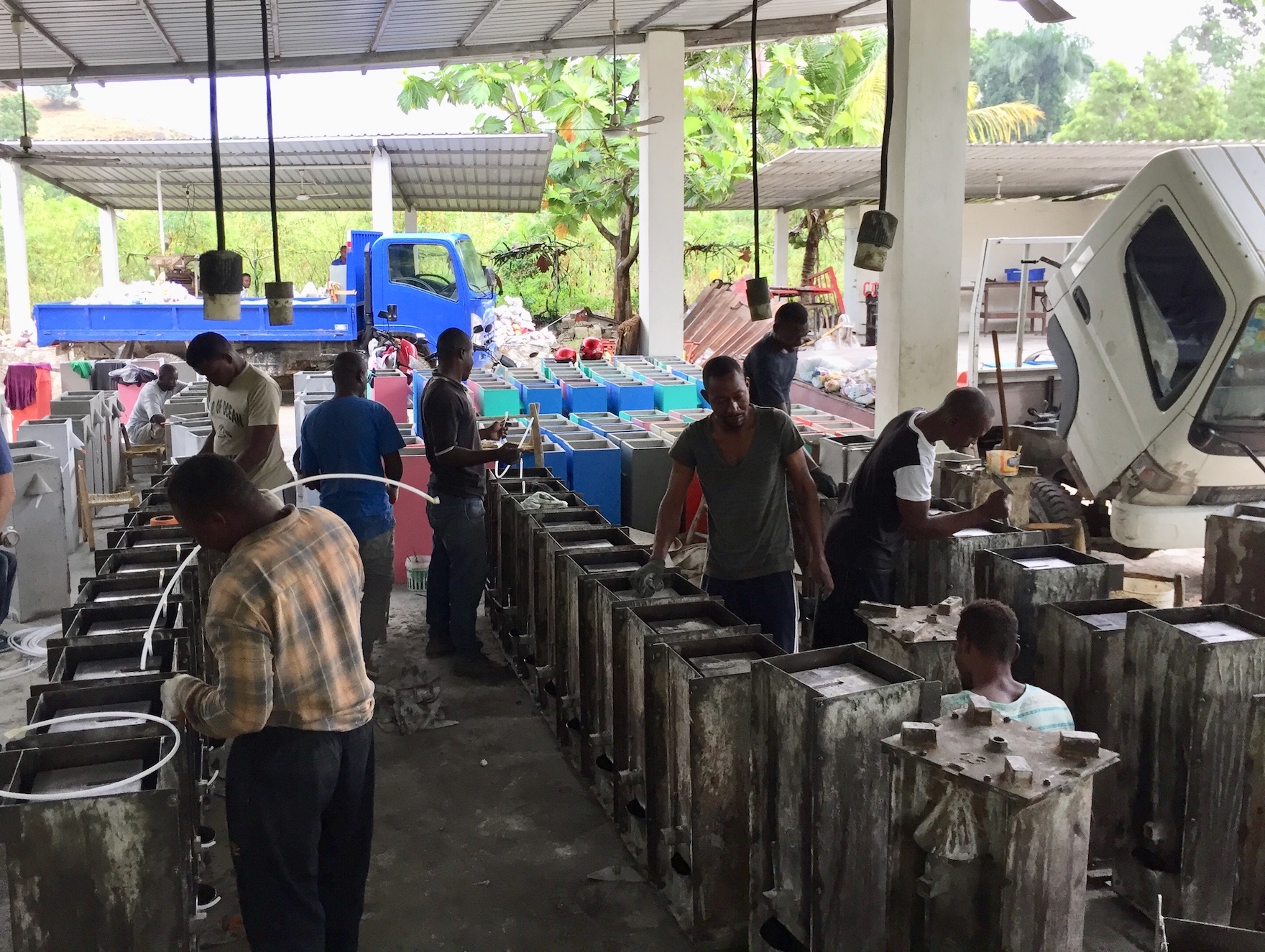 IN THE PHOTO: CWH FILTER TECHNICIANS PREPARING TO POUR A BATCH OF FILTERS AT THE MANUFACTURING FACILITY. PHOTO CREDIT: CLEAN WATER FOR HAITI / LESLIE ROLLING
The cost to the program is about $100 per filter which includes everything from labor and transportation expenses to stamps and teleconferencing costs. The decision was made to keep the cost to the beneficiaries as low as possible while still maintaining the reputation of the filter as a valuable household tool. This means that more funds have to be raised by the organization, but it makes it possible for access to be gained by those with the greatest need: the poorest of the poor.
While all of these aspects of the program are important, eventually the question that should be asked with any development project is whether it is effective over the long-term. One of the strengths of Clean Water for Haiti is its long term presence, and the resulting continuity in its programs. Being there day in and day out, with minimal staffing changes, and providing ongoing support to beneficiaries is absolutely key to success in the development sector in Haiti.
Over time, as the implementation model was developed, it became clear that education plays a key role. Clean Water for Haiti technicians follow up with filters one month, three months, 12 months and five years after installation. User education, including basic sanitation and hygiene education, is repeated on each visit. This lays the foundation for habit change, and a future in which Haitian families will no longer consider it an option to drink untreated water.
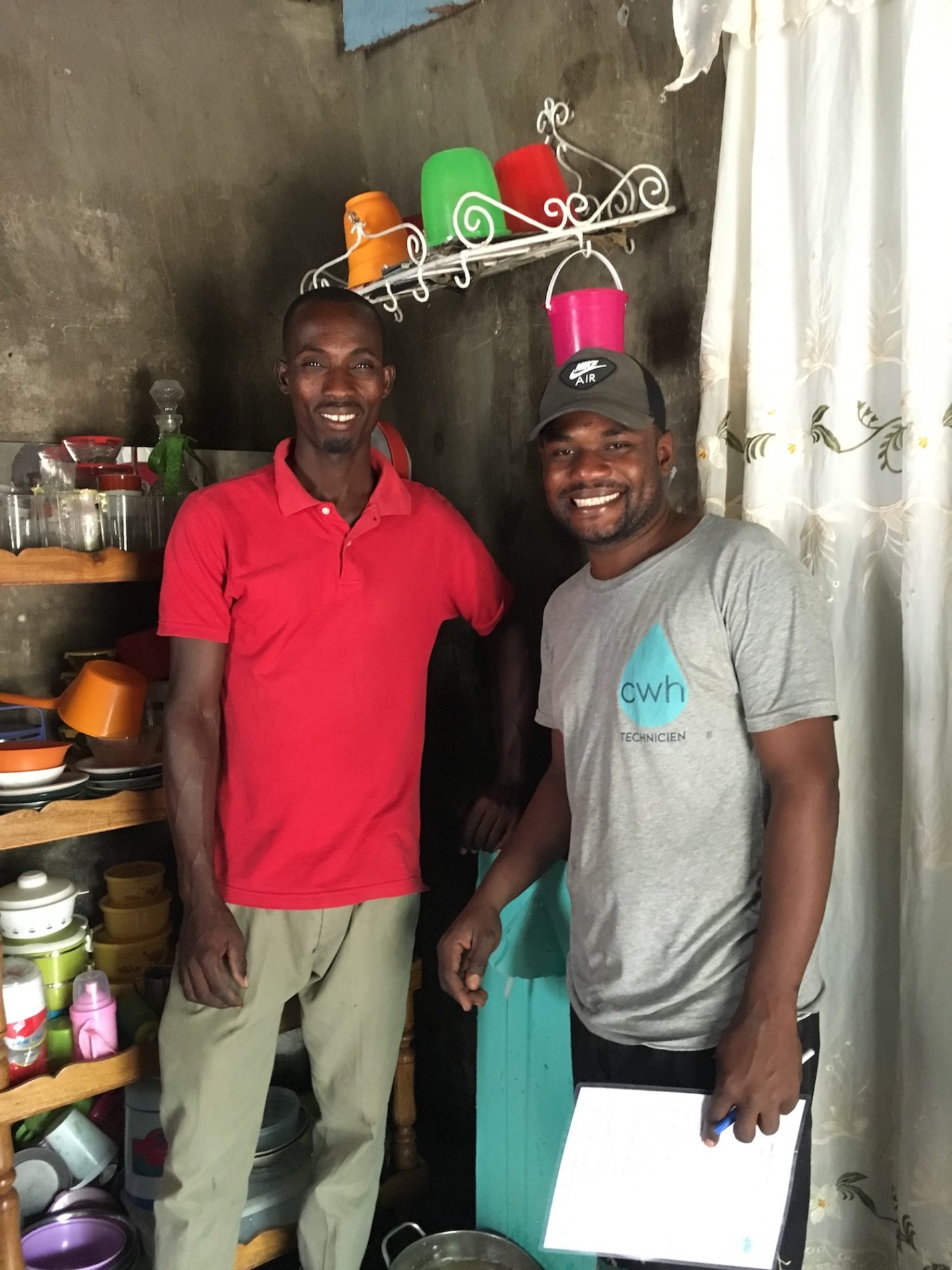 IN THE PHOTO: A CWH FILTER TECHNICIAN AND A NEW FILTER OWNER. PHOTO CREDIT: CLEAN WATER FOR HAITI / KIM SNYDER
Follow up visits also provide the opportunity to check the overall condition of the filter, provide any needed maintenance, and act as data collection points. After one year of use, over 96 percent of Clean Water for Haiti filters are still being used. After five years, 75 percent of filters are still in use, which is remarkably high for a program of this nature. Aside from being excited about the results, these statistics are worth noting simply because this type of data is typically unavailable within the development sector. Emphasis tends to be on quick implementation and closing out projects in a timely way. The true measure of success, though, should be what happens over the long term in the communities being served.
We often want big solutions to big problems, but an interim solution for Haiti’s water crisis could be relatively inexpensive. Assuming half of Haiti’s population of 10.5 million people still lacks access to safe water, a cost of $100/filter and about 5.1 users per filter, Haiti as a whole could be empowered to take control of its water, one household at a time. The total cost would be just over $100 million. When one looks at the number and scale of defunct development projects in Haiti alone, this seems like a reasonable amount to spend.
With at least one proven model existing for providing potable water for Haitians, it would be a shame to see Haiti fail to reach its Sustainable Development Goal for safe drinking water. This could happen if the development community continues to push for solutions which can’t possibly happen in Haiti’s current socio-political environment. Through empowerment and working with households, Haiti could reach its Sustainable Development Goal and greatly improve the health of Haiti overall.