
Impakter
  • Environment
    • Biodiversity
    • Climate Change
    • Circular Economy
    • Energy
  • FINANCE
    • ESG News
    • Sustainable Finance
    • Business
  • TECH
    • Start-up
    • AI & Machine Learning
    • Green Tech
  • Industry News
    • Entertainment
    • Food and Agriculture
    • Health
    • Politics & Foreign Affairs
    • Philanthropy
    • Science
    • Sport
  • Editorial Series
    • SDGs Series
    • Shape Your Future
    • Sustainable Cities
      • Copenhagen
      • San Francisco
      • Seattle
      • Sydney
  • About us
    • Our Story
    • Team
    • Partners
    • Write for Impakter
    • Contact Us
    • Privacy Policy
No Result
View All Result
  • Environment
    • Biodiversity
    • Climate Change
    • Circular Economy
    • Energy
  • FINANCE
    • ESG News
    • Sustainable Finance
    • Business
  • TECH
    • Start-up
    • AI & Machine Learning
    • Green Tech
  • Industry News
    • Entertainment
    • Food and Agriculture
    • Health
    • Politics & Foreign Affairs
    • Philanthropy
    • Science
    • Sport
  • Editorial Series
    • SDGs Series
    • Shape Your Future
    • Sustainable Cities
      • Copenhagen
      • San Francisco
      • Seattle
      • Sydney
  • About us
    • Our Story
    • Team
    • Partners
    • Write for Impakter
    • Contact Us
    • Privacy Policy
No Result
View All Result
Impakter
No Result
View All Result

A Quick Guide To Eco-friendly Essential Oils

Essential oils should be included in any sustainable bucket list. They are key to making useful and effective homemade remedies in an eco-conscious and cost-effective manner.

byNapat Siriyium
September 30, 2022
in Beauty, Eco Life, Women Fashion

What exactly are essential oils?

Essential oils are basically plant-derived compounds. The oils capture the scent and flavour of the plant, or its “essence.” Each essential oil has a distinct aroma due to the presence of unique aromatic compounds.

The oils themselves are highly concentrated volatile plant extracts obtained through distillation from a natural raw material of plant origin. There are several methods for distilling essential oils, including steam distillation, cold pressing, and expeller pressing. 

The distillation method to be selected depends on the plant species and the material (which part of the plant). Generally, the most aromatic part of the plant is used; for example, rose oil is sourced from the petals of the rose, whereas citrus oils are derived from the rind.
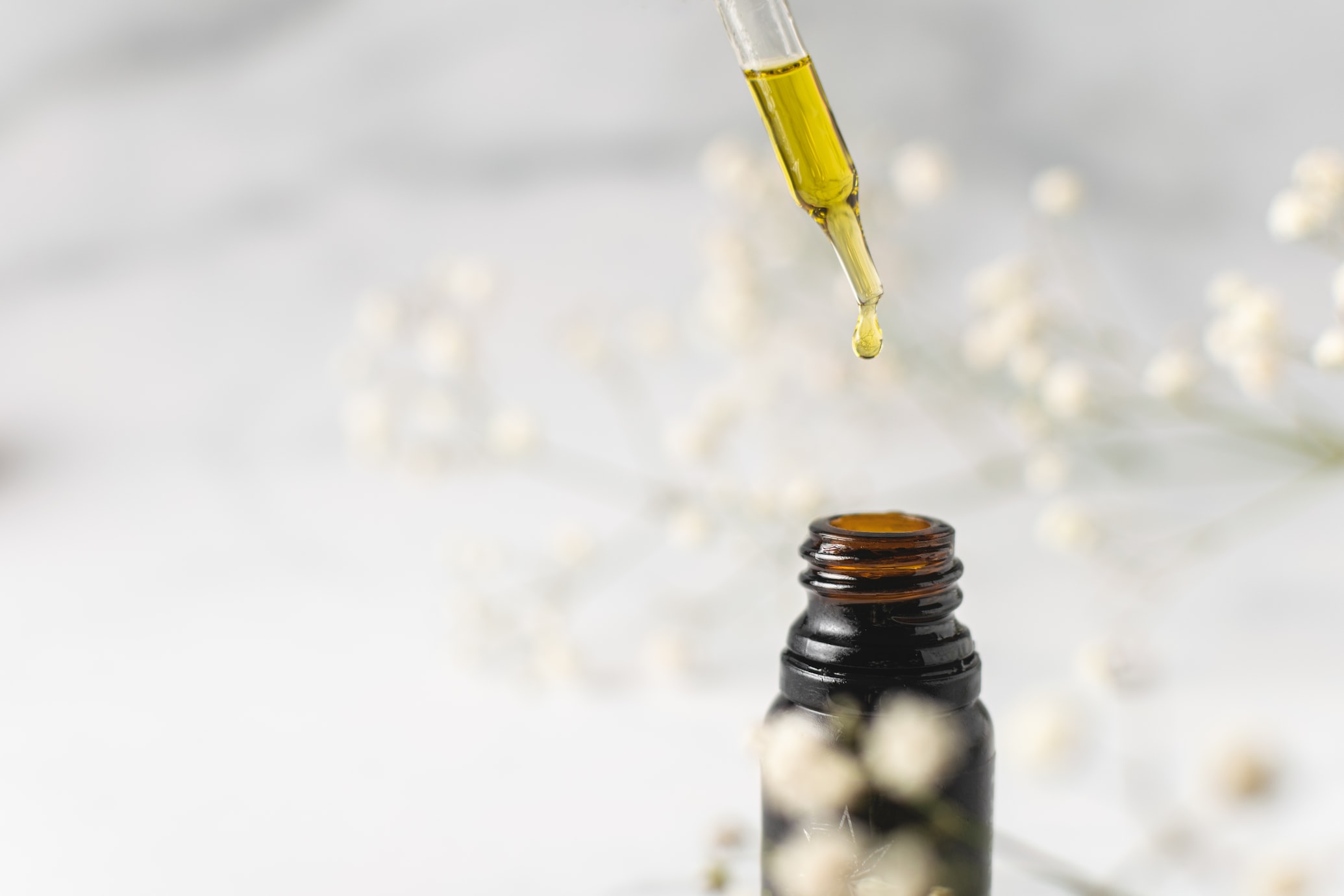
In the Photo: Essential Oil. Photo Credit: Unsplash.

How are essential oils made? 

The majority of pure essential oils are extracted from plants using steam distillation. 

This is how it’s done. First, freshly harvested plants are suspended over boiling water, and the steam extracts the plant’s oils. Then, the steam rises and is captured in a vessel before being pushed along tubing. After the stream has rapidly cooled down, it condenses back into water. And because essential oils and water do not mix, the two separate and the essential oil is collected. 

Did you know that? The remaining water is a byproduct of this distillation. Some plants contain water-soluble aromatic compounds that remain in the water left over after distillation. Aromatherapists treasure these fragrant waters, which they refer to as hydrosols (or toners). Hydrosols are mostly used in cosmetics to moisturise skin in aromatherapy.

What are the benefits of essential oils?

These oils are well-known for medicinal properties, such as relieving muscle aches and pains, improving blood circulation, and relieving sinus congestion. Also, they have a positive effect on the skin; the ability of the oil molecules to penetrate deeper skin layers encourages cellular renewal, improves blood circulation, and aids in the treatment of acne, sensitivity, and eczema. 

Moreover, they can also be used in household cleaning products as well as for general well-being in the context of emotional support and scent. 

Some of the most popular ones, such as lavender and sweet orange, span multiple categories and can be used effectively in a variety of applications more than you can imagine. 

Although essential oils have numerous amazing uses, if you are pregnant, you should consult your doctor before using them.
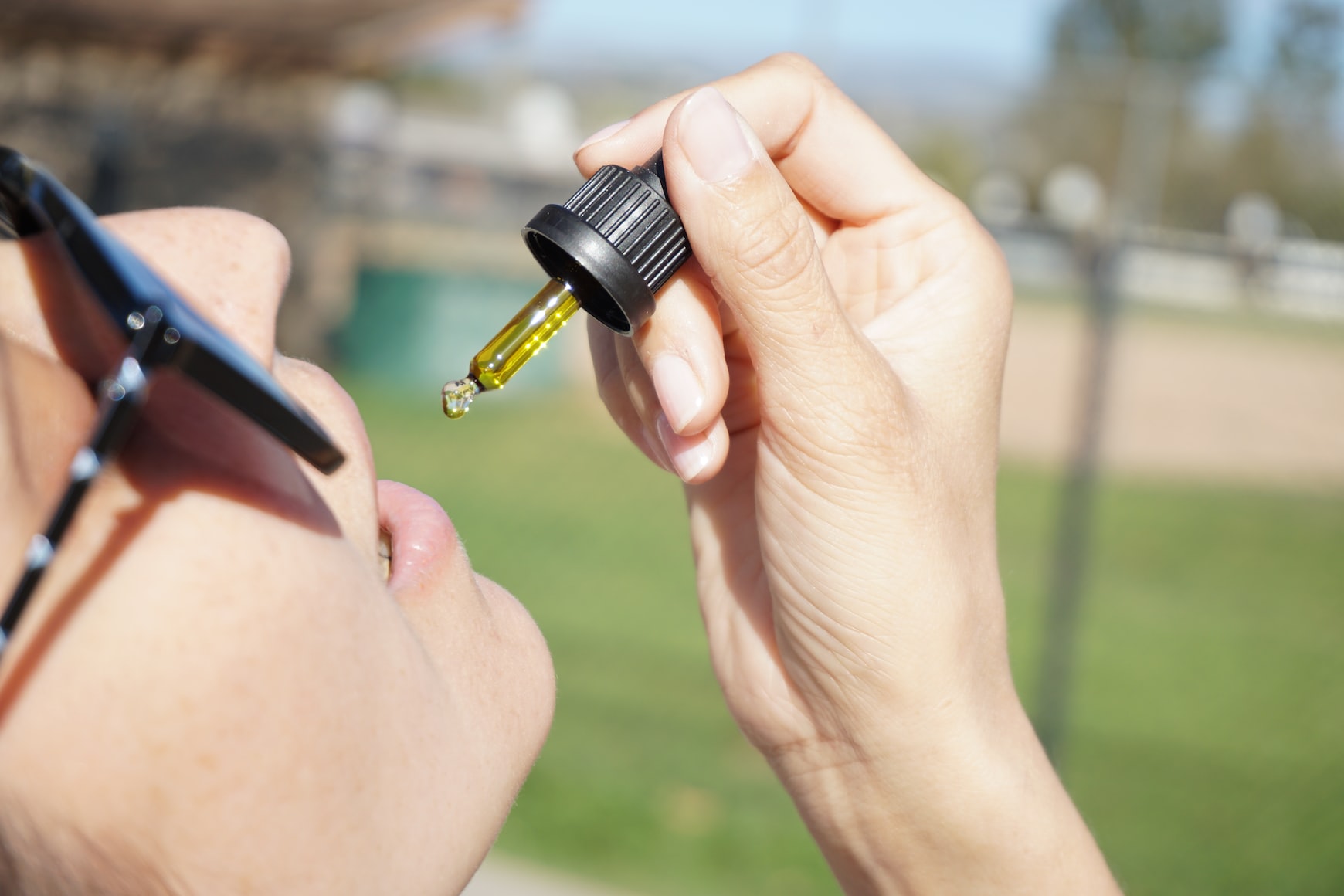
In the Photo: Lip Treatment with Essential Oil. Photo Credit: Elsa Olofsson.

So, why sustainable essential oils? 

Since certain essential oils continue to be unsustainably produced from dwindling resources, such as Indian Sandalwood, Agarwood, and Rosewood, as well as Frankincense and Myrhh

Those are in high demand but are collected from limited resources in areas of the world prone to severe drought conditions. These five highly valuable essential oils, to be specific, are frequently the target of illegal poaching and trade.

Much of the farming required to produce essential oils takes place in less developed countries where labour standards are not always strictly enforced. To ensure that workers’ rights are protected and respected, we all have to look for Fairtrade or choose a brand that sources directly.

Additionally, with the increase in demands, the oils’ own sustainability is critical for biodiversity on our already threatened planet. 

Aromatic plants contain anywhere from 0.005 to 10% essential oil, implying that a significant amount of plant material (typically 1-2%) is used to produce essential oils. This explains the disparity in essential oil prices per plant. 

The essential oil industry is mainly relying on natural resources, which has raised concerns about sustainable sourcing as well as worker rights, climate conditions, pestilence, disease, and civil unrest; however, if sourced sustainably, essential oils are highly concentrated and, when used properly, can be both environmentally sustainable and economical.

How to find eco-essential oils?

Now, the big question: where exactly can we all find sustainable oils? The answer is simply here at Impakter Eco Marketplace. With a variety of eco-friendly products and a 10% discount from verified sustainable European brands, covering a wide range of needs such as ethical beauty products, skincare and more. 

Jojoba Essential Oil
In the Photo: Jojoba Eco-essential Oil. Photo Credit: Impakter Eco.

Here are some of our favourites

if you’re looking for any essential oils to keep your skin young and fresh. Try what we have recommended, these following products are all certified by a well-known and reputable organisation in Europe that guarantees that every purchase not only benefits you, but also creates a beneficial impact on the locals who produce them and supports transparency for a better world.

  • Comptoir des Huiles Jojoba Essential Oil
  • ARC EN SELS Cherry Kernel Oil
  • DE VERMALLE Divine Mandarin Oil 
  • SNÖ ETERNELLE Facial Oil

Editor’s Note: The opinions expressed here by Impakter.com columnists are their own, not those of Impakter.com—  Featured Photo: Essential oils. Photo Credits: Christin Hume.

Tags: eco-friendlyEssential OilsFairTradeImpakter Eco Marketplacesustainable
Previous Post

Insuring Extreme Weather Disasters: Losing Money to Climate Change

Next Post

Show Me (How to Get) the Money: Cities and Climate Finance

Related Posts

Steakhouse in Tucson
Food & Drinks

7 Factors That Define a Premium Steakhouse Experience

January 12, 2026
Granddaddy Purple Strain
Food & Drinks

Where Granddaddy Purple Strain Gets Its Iconic Grape Flavor

December 5, 2025
Sustainable retail using QR codes
Beauty

Sustainable Retail: How QR Codes Reduce Waste and Improve Transparency for Consumers

November 21, 2025
Next Post
Show Me (How to Get) the Money: Cities and Climate Finance

Show Me (How to Get) the Money: Cities and Climate Finance

Related News

solar farm

Nearly Half the World’s Power Capacity Is Now Renewable — What That Really Means

April 3, 2026
Offshore oil rig

Why Oil Demand Remains Resilient Amid Quest for Critical Minerals

April 3, 2026

Impakter informs you through the ESG news site and empowers your business CSRD compliance and ESG compliance with its Klimado SaaS ESG assessment tool marketplace that can be found on: www.klimado.com

Registered Office Address

Klimado GmbH
Niddastrasse 63,

60329, Frankfurt am Main, Germany


IMPAKTER is a Klimado GmbH website

Impakter is a publication that is identified by the following International Standard Serial Number (ISSN) is the following 2515-9569 (Printed) and 2515-9577 (online – Website).


Office Hours - Monday to Friday

9.30am - 5.00pm CEST


Email

stories [at] impakter.com

By Audience

  • TECH
    • Start-up
    • AI & MACHINE LEARNING
    • Green Tech
  • ENVIRONMENT
    • Biodiversity
    • Energy
    • Circular Economy
    • Climate Change
  • INDUSTRY NEWS
    • Entertainment
    • Food and Agriculture
    • Health
    • Politics & Foreign Affairs
    • Philanthropy
    • Science
    • Sport
    • Editorial Series

ESG/Finance Daily

  • ESG News
  • Sustainable Finance
  • Business

About Us

  • Team
  • Partners
  • Write for Impakter
  • Contact Us
  • Privacy Policy

© 2026 IMPAKTER. All rights reserved.

No Result
View All Result
  • Environment
    • Biodiversity
    • Climate Change
    • Circular Economy
    • Energy
  • FINANCE
    • ESG News
    • Sustainable Finance
    • Business
  • TECH
    • Start-up
    • AI & Machine Learning
    • Green Tech
  • Industry News
    • Entertainment
    • Food and Agriculture
    • Health
    • Politics & Foreign Affairs
    • Philanthropy
    • Science
    • Sport
  • Editorial Series
    • SDGs Series
    • Shape Your Future
    • Sustainable Cities
      • Copenhagen
      • San Francisco
      • Seattle
      • Sydney
  • About us
    • Our Story
    • Team
    • Partners
    • Write for Impakter
    • Contact Us
    • Privacy Policy

© 2026 IMPAKTER. All rights reserved.