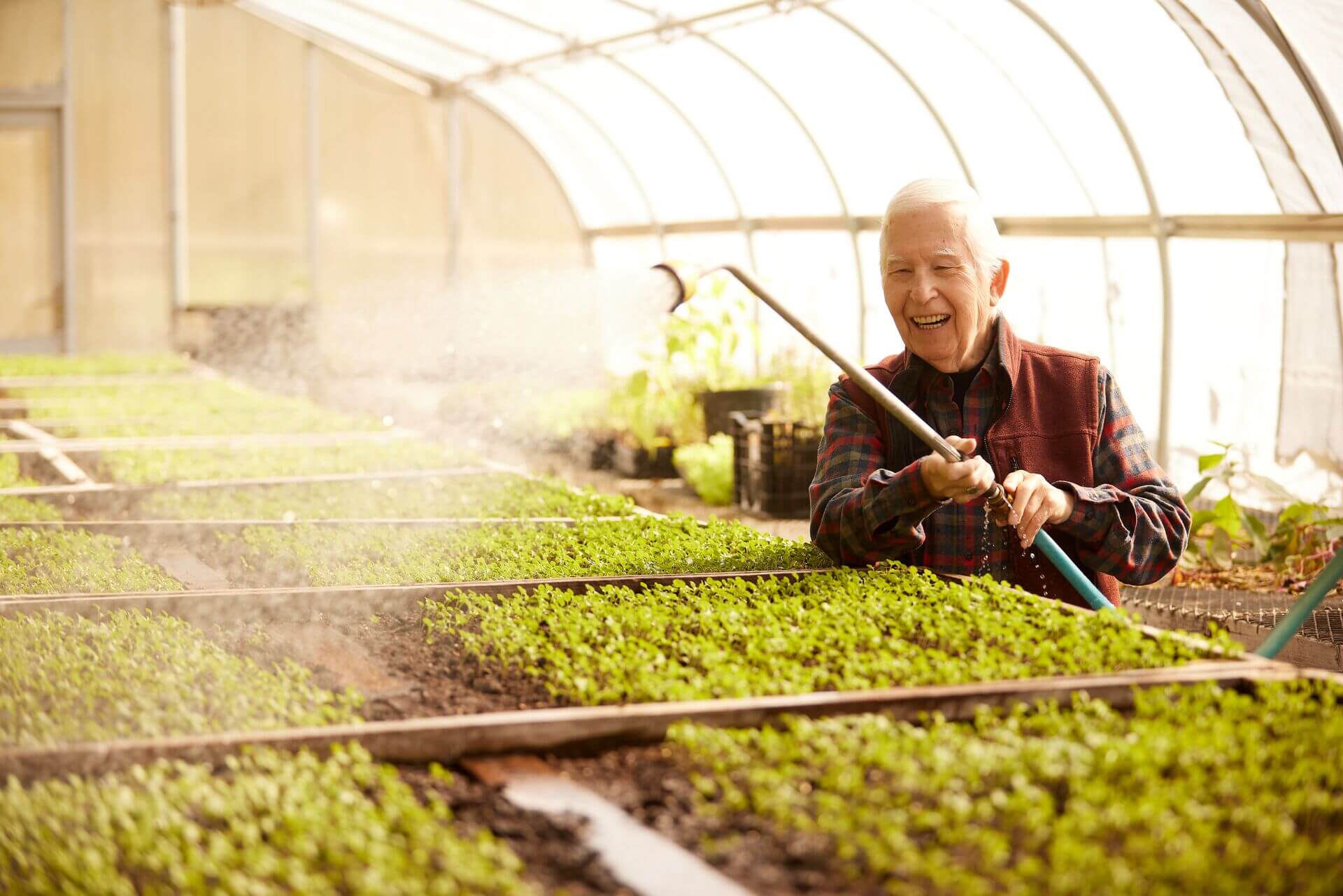
Seniors are embracing sustainable living, from reducing waste to inspiring eco-friendly communities. Learn how older adults are leading the green retirement movement in 2025
For years, sustainability has been marketed as a movement for younger people. We picture climate strikes led by teenagers, influencers pushing zero-waste lifestyles, and companies marketing eco-friendly products to millennials and Gen Z buyers. However, an overlooked group is quietly shaping the sustainability conversation in a real way: older adults.
As highlighted in this retiring in 2025 article, seniors are increasingly embracing a sustainable lifestyle, and their efforts are reducing their environmental footprint and inspiring communities across the country.
Drawing From Experience
Many older adults grew up when “sustainability” was not a buzzword, but a way of life. Before single-use plastics and fast fashion dominated consumerism, thriftiness and re-use were common sense. Seniors remember repairing clothes rather than discarding them, saving jars for storage, and using food from the garden as general practice. What some younger people are now calling “going green,” older generations might simply call “the way things were”. This lived experience is proving to be a powerful asset. Rather than starting from scratch, seniors lean on lifelong habits that reduce waste and encourage mindful consumption.
The Power of Gardening
One of the easiest ways seniors are leading in sustainability is through gardening. Home gardens are on the rise among retirees, many of whom finally have the time to invest in cultivating fruits and veggies. These gardens cut down on the emissions tied to industrial agriculture while reducing the usage of single-use packaging at grocery stores.
More importantly, gardening provides purpose and physical activity. Studies have shown that spending time in nature has mental health benefits, and for older adults, gardening can serve as both exercise and stress relief. Sharing overproduction with neighbors or local food banks extends the impact even further, tying personal sustainability to the community.
Sustainable Travel and Lifestyle Choices
Another way seniors are shaping the sustainability movement is through the choices they make in retirement. Many are rethinking how they travel. Some embrace “slow travel,” staying longer in one place to reduce emissions and immerse themselves in local culture. Lifestyle shifts like downsizing to smaller homes, moving into walkable communities, or using more public transit also minimize environmental impact. These decisions highlight how retirement can be a time to relax and live more intentionally and sustainably.
Financial Wisdom Meets Environmental Action
Sustainable living is often portrayed as expensive, but seniors have been making money stretch further for much longer than people think. Today’s seniors were children during World War II, the Cold War, and cultural shifts of the 50’s and 60’s, leading to money being tight for some. The frugality that comes naturally to some seniors aligns naturally with eco-friendly habits. Cutting energy use, choosing secondhand items, and cooking at home save both dollars and resources. For retirees on fixed incomes, sustainable choices are not just good for the planet but also for their wallets.
In addition, retirees are also aligning their investments with their values. Sustainable investing, sometimes called ESG investing, is gaining traction among older investors who want their retirement funds to support companies that prioritize environmental responsibility. This shift in financial decision-making helps leverage retirement savings for long-term change.
A Legacy of Green Living
Perhaps the most powerful aspect of seniors leading the sustainability movement is the example they set for future generations. Retirement is often portrayed as a time of winding down, but for many older adults, it is becoming a season of purposeful living. By choosing sustainability, seniors demonstrate that caring for the planet is not limited by age. In fact, their life experiences and financial wisdom make them uniquely equipped to push for meaningful change.
The sustainable living movement is stronger when it expands across multiple generations. Young activists may bring energy and new ideas, but seniors offer experience and perspective. Together, these voices create a richer and more balanced conversation about how to live lightly on Earth.
Looking Ahead
As economic challenges increase, the contributions of older adults will be even more important than before. From influencing local policies to modeling everyday practices, seniors are showing that sustainability is not a trend reserved for the young but a mindset that transcends age. Their leadership is shaping a greener, healthier future, not just for themselves but for generations to come.
Editor’s Note: The opinions expressed here by the authors are their own, not those of impakter.com — Cover Photo Credit: Author