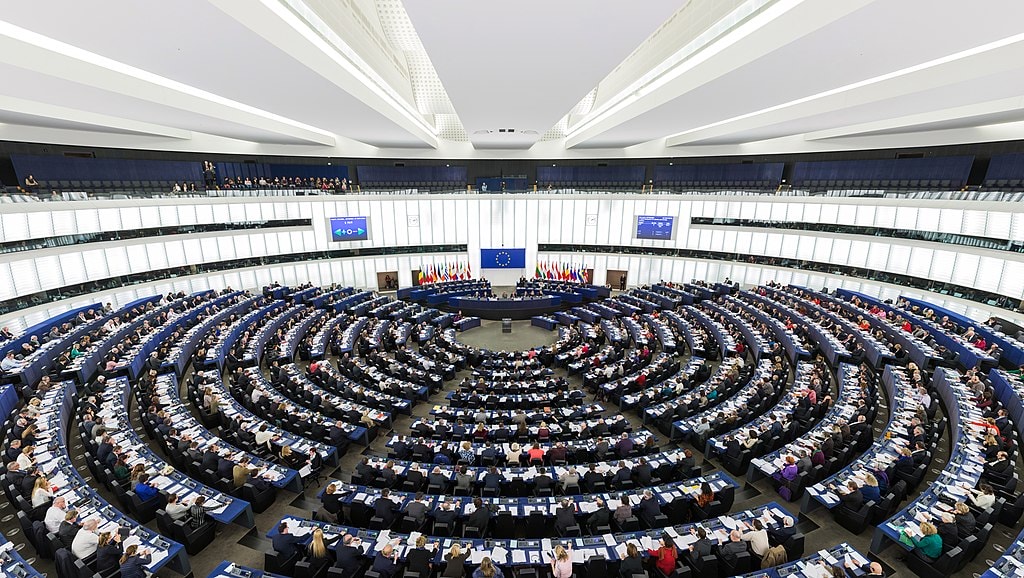
On Tuesday, June 7, the European Union reached a breakthrough agreement on common rules for minimum wages. The draft law will not fix a nominal minimum salary, but will ensure “adequate” salary levels across the bloc.
While this is a crucial hurdle for EU labour laws, the directive is yet to be confirmed by formal votes.
The EU has delivered on its promise.
The new rules on minimum wages will protect the dignity of work and make sure that work pays.
We welcome the political agreement between @EUCouncil and @Europarl_EN on adequate minimum wages for workers in the EU.#SocialRights
— European Commission (@EU_Commission) June 7, 2022
The question of an EU minimum wage gains momentum following the economic and social inequality crisis wrought by the pandemic
The fact that the pandemic’s front-line heroes, such as carers, cleaners, nurses, and agricultural workers, earned minimum wages made the wage issues more palpable to the public, and so contested.
Building on the 2017 EU pillar of social rights, where the Commission promised commitment to fair wages for all workers, in October 2020 the Council of the EU and the European Parliament put forward a proposal to establish common rules for a minimum wage.
After many negotiation rounds, MEPs, member states and the European Commission have finally agreed on the proposal.
Under this, states ensure workers have access to minimum wage protection either through statutory minimum wage or wage set by collective agreement, and are obliged to update clear criteria for establishing minimum wages every two to four years.
This procedure should be based on assessing the price of household goods and services, and should involve social partners.
Member states should also push to reduce wage inequality and in-work poverty, collect data on minimum wage coverage and adequacy, and make sure workers have access to dispute resolution mechanisms and collective bargaining.
In sum, the deal promotes:
- Collective bargaining on wage settings
- The capacity of social partners to engage in collective bargaining to protect workers
- Worker protection – labour inspectorate controls, access to wage protection information, and more capacity for enforcement authorities to seek out non-compliant employers
Wage setting in the EU is a direct competence of member states, where minimum wages are set in different ways.
Currently, 21 of 27 EU countries have statutory minimum wages established by law. The European Parliament said these countries must reassess if these salaries are sufficient to ensure a decent standard of living. The Commission wants more social partners’ involvement in setting minimum wages in these states.
The other six countries, Sweden, Finland, Denmark, Austria, Italy, and Cyprus, establish their minimum wages through collective bargaining between unions and employers. Where less than 80% of workers are covered by collective bargaining in these countries, the Council and Parliament say an action plan is needed with a timeline and concrete measures to extend collective bargaining measures.
Overall, the EU bodies want to monitor and improve the enforcement of minimum wage protections.
A mixed, but mostly positive, response to the agreement:
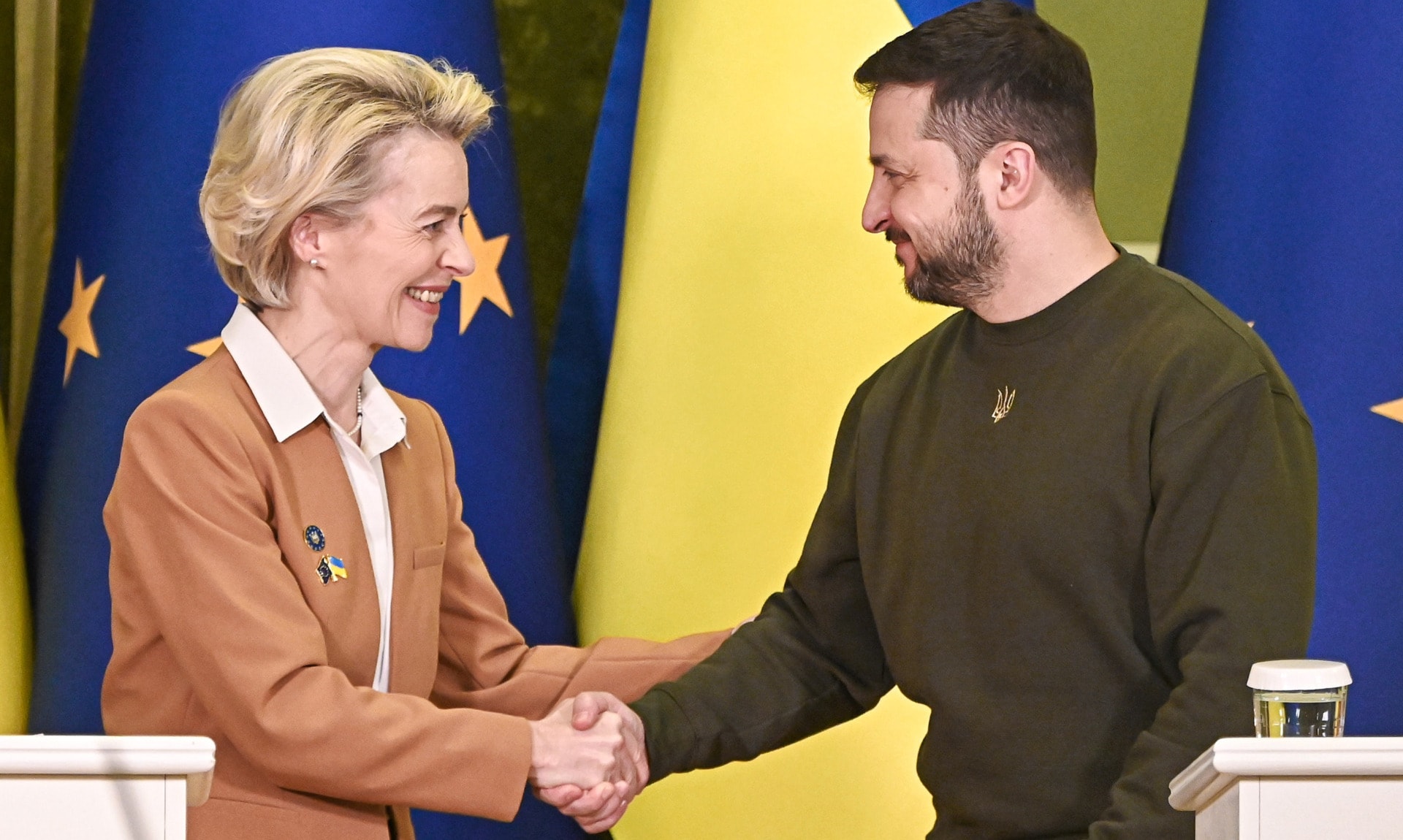
The head of the EU Commission Ursula von der Leyen welcomed the agreement, stating:
“The EU has delivered on its promise. The new rules on minimum wages will protect the dignity of work and make sure that work pays.”
This news comes amidst the “cost of living crisis,” which includes a global energy crisis and food crisis, all accelerated in severity as a result of the Russia-Ukraine war. Inflation rates are at over 8% in Europe, and in-work poverty has increased.
The EU’s move to provide better working and living conditions for all employees, including subcontractors, the self-employed, and those working overtime, has thus had a positive reception from many.
This is a good day for social Europe.
We have reached an agreement on the directive on adequate minimum wages in the EU.
This is especially important at a time when many households are worried about making ends meet.
My thanks to all teams! #EUminimumwages #SocialRights pic.twitter.com/Ayt5BwvOfp
— Nicolas SCHMIT (@NicolasSchmitEU) June 7, 2022
“I think that this game-changer will bring one essential element in fighting poverty, but also a strengthening of the idea of social market economy,” European Commissioner for Jobs and Social rights Nicolas Schmit told Euronews.
Germany and France support the proposal as a way to stop “social dumping,” the wage-based competition between EU countries. NGOs and trade unions have also welcomed the news as progress for wage equality.
As Dutch trade unionist and MEP Agnes Jongerius, who campaigned for the proposal, explained
“In the last decade wages have stayed behind the rise in productivity. Workers caught a smaller piece of the pie. This is especially true for those earning the lowest wages.”
More collective bargaining would mean a lower share of low-wage workers, lower-wage inequality and higher incomes.
However, some businesses think it is damaging, arguing that wages should be left decided on a national level. High-wage Nordic countries such as Denmark and Sweden have also been skeptical about the directive, arguing that a “one size fits all” approach to wages will harm their collective bargaining system.
MEP from Denmark’s Social Democratic Party Marianne Vind expressed his concerns on Tuesday, saying that in the final outcome, “this could mean that the Commission and EU Court can force Denmark to introduce a minimum wage.”
Schmit has responded that the directive should not harm Denmark’s model.
What will happen next?
The deal still must be confirmed by formal votes in both the Council and the Parliament. If passed, the agreement would be signed off this month, then published in the EU’s official journal, at which point member states would have two years to implement the EU rules into national law.
The rules would then be mandatory for the 21 states with statutory minimum wages, and not in the countries where collective agreements set salary levels.
Regardless, Denmark and Sweden may vote against it, believing that the precedent could force them to establish a legal minimum wage. But, as the directive needs only a qualified majority of votes from member states (15/27), the proposal is likely to be adopted.
This agreement could remedy the current economic situation in Europe. However, two years is a long time for those on the lowest income to deal with strong inflation and tight labour markets.
Editor’s Note: The opinions expressed here by Impakter.com columnists are their own, not those of Impakter.com — In the Featured Photo: Nikolas Schmit, European Commissioner for Jobs and Social Rights. Featured Photo Credit: Wikimedia Commons.