

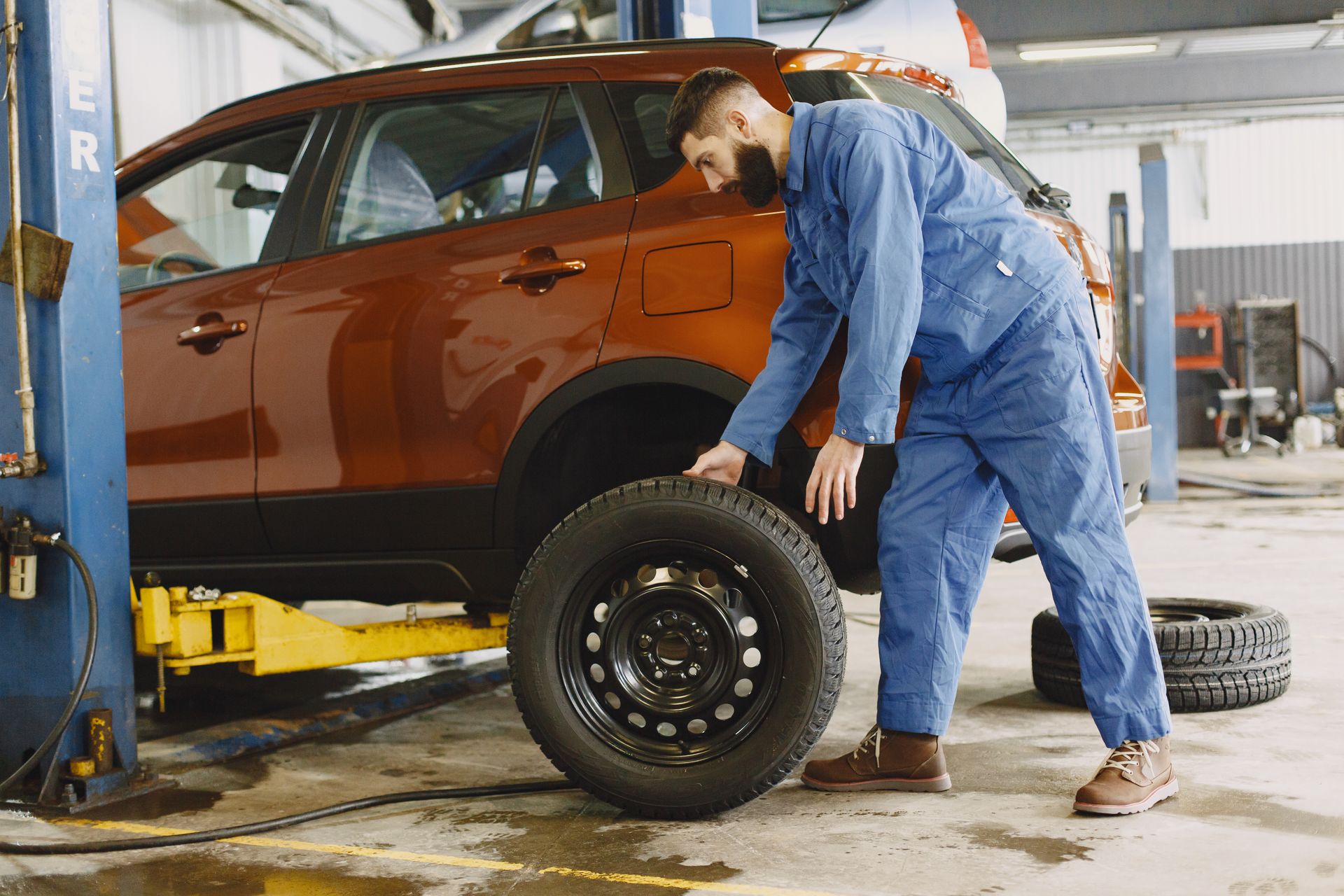
Your tires affect how you brake, turn, save fuel, and handle rough roads. A lot of drivers wait until a warning light shows up or the tread looks obviously worn, but tire problems usually build slowly and quietly. In Northern California, that matters even more because you’re dealing with hot inland pavement, coastal moisture, long freeway commutes, and mountain trips in the same region. If you want to replace your tires without wasting money or compromising safety, you need to know what to inspect first.
Match the tire to how and where you actually drive
A lot of buyers choose tires based on brand familiarity or the cheapest quote. That approach misses the bigger question: what driving conditions do you deal with every week?
Northern California creates a strange mix of demands. You might spend weekdays on hot interstate pavement, then head toward colder elevations on weekends. Some drivers need strong wet traction for coastal routes. Others care more about treadwear, ride comfort, or low road noise for daily commuting.
Big Discount Tire Pros in Northern California offers a range of tire services, helping drivers find reliable tire options, professional installation, and maintenance solutions to keep their vehicles safe and performing efficiently on the road.
Start with tread depth, not just surface appearance
A tire can look fine at a quick glance and still be close to the end of its useful life. Tread depth is one of the first things you should check because it directly affects traction, hydroplaning resistance, and stopping distance.
You can use a tread gauge for precision, but even a basic coin test gives you a rough read. More importantly, check across the full width of the tread, not just the center. Uneven wear patterns often reveal alignment or inflation issues.
If your grooves are shallow on the outer edges, your tire may be underinflated. If the center is wearing faster, overinflation is a possibility. Once you see wear bars becoming flush with the tread blocks, replacement should move from “eventually” to “now.”
Pay attention to tire age even if you barely drive
Low mileage doesn’t automatically mean your tires are in great shape. Rubber compounds age over time, and that aging changes how the tire performs under braking and cornering. A car that sits often can still end up with dry rot, sidewall cracking, or internal degradation.
Check the DOT code on the sidewall. The last four digits show the week and year the tire was made. If a tire was manufactured years ago, age becomes part of the replacement decision even when the tread still seems acceptable.
This catches a lot of people off guard with second cars, student vehicles, or older family SUVs. You might not drive them much, but the tire casing still experiences temperature swings, UV exposure, and oxidation every day.
Look for wear patterns that point to mechanical problems
Replacing tires without fixing the reason they wore out is an expensive loop. Before you buy anything, inspect the tread for clues about suspension, alignment, or balancing issues.
Cupping or scalloping can suggest worn shocks or struts. Feathering often points to alignment problems. Vibration at highway speed may signal an imbalance, though bent wheels can create similar symptoms. If only one tire is wearing fast, don’t assume it’s random.
This step matters because a new set of tires installed on a vehicle with unresolved chassis issues can start degrading almost immediately. A proper pre-purchase inspection should include more than rubber. It should account for the whole contact patch system, from inflation pressure to toe settings and load distribution.
Don’t ignore load rating and speed rating
These specs are easy to overlook, but they matter more than many drivers realize. Your tire’s load index tells you how much weight it can safely support, while the speed rating reflects heat tolerance and sustained performance capability
If you drive a crossover loaded with sports gear, tools, or passengers, choosing the wrong load rating can affect handling and durability. If you own a truck or SUV, this gets even more important because sidewall construction and casing strength vary widely.
You don’t need to chase the highest numbers available. You do need a tire that meets your vehicle manufacturer’s requirements and fits your real driving conditions. Going too far off spec can affect braking feel, ride quality, and even long-term wear. Tire replacement is partly a safety choice and partly a fitment decision.
Consider total cost, not just the price per tire
The sticker price is only one part of the deal. Installation, balancing, valve stems, disposal fees, and alignment checks can shift the total more than people expect. Then there’s the long-term cost of tread life, fuel efficiency, and warranty support.
A cheaper tire that wears out early or performs poorly in wet conditions may cost more over time. On the other hand, the most expensive model on the rack isn’t automatically the smartest buy for a short commute vehicle.
Ask practical questions. What mileage warranty comes with the tire? Is road hazard coverage available? Will the shop rotate and rebalance as part of ongoing service? Those details matter because tire ownership doesn’t end at installation. The service model behind the purchase often affects value just as much as the product itself.
Know when repair is fine and when replacement is smarter
Not every tire problem means you need a new set. A simple puncture in the tread area can often be repaired safely if the damage is limited and the tire hasn’t been driven flat for long. Sidewall damage is different. So is a puncture near the shoulder.
This is where many drivers lose money through guesswork. They either replace a tire too soon or keep driving on one that has become structurally risky. If the tire has cords showing, a bulge in the sidewall, repeated air loss, or severe irregular wear, repair usually isn’t the right call.
A good shop should be able to explain the difference clearly. You want an assessment based on casing condition, puncture location, and remaining tread life, not just a rushed sales pitch.
Build a tire replacement plan before you’re stuck
Waiting until a blowout, failed inspection, or heavy rainstorm forces a decision usually leads to rushed choices. A better approach is to check your tires regularly and plan replacement before performance drops sharply.
Set a reminder every month to look at pressure, tread condition, and visible damage. If your vehicle starts pulling to one side, riding harsher than usual, or braking less confidently, include the tires in your troubleshooting right away.
The smartest tire replacement decisions come from timing, not panic. When you know your tread depth, tire age, wear pattern, vehicle specs, and driving habits, you can buy with a clear reason behind the choice. That gives you better safety, better value, and a lot fewer surprises when the road gets demanding.
Editor’s Note: The opinions expressed here by the authors are their own, not those of impakter.com — Cover Photo Credit: Gustavo Fring.