Impakter
  • Environment
    • Biodiversity
    • Climate Change
    • Circular Economy
    • Energy
  • FINANCE
    • ESG News
    • Sustainable Finance
    • Business
  • TECH
    • Start-up
    • AI & Machine Learning
    • Green Tech
  • Industry News
    • Entertainment
    • Food and Agriculture
    • Health
    • Politics & Foreign Affairs
    • Philanthropy
    • Science
    • Sport
  • Editorial Series
    • SDGs Series
    • Shape Your Future
    • Sustainable Cities
      • Copenhagen
      • San Francisco
      • Seattle
      • Sydney
  • About us
    • Company
    • Team
    • Global Leaders
    • Partners
    • Write for Impakter
    • Contact Us
    • Privacy Policy
No Result
View All Result
Impakter logo
No Result
View All Result
5 B Corps Saving Our Oceans

5 B Corps Saving Our Oceans

Impakter Editorial BoardbyImpakter Editorial Board
April 12, 2019
in Environment, Impact
0

This article is part of an editorial collaboration with BCorporation. The BCorp Series can be found here. The original publication can be found here.


Through fishing, travel, plastic waste and more, humans are having an outsize impact on the health of our oceans’ ecosystems. These Certified B Corporations are using their businesses to make a positive difference.

In June 2018, a pilot whale was found suffering in a Thai canal and, after failed rescue attempts, died because of the 80 plastic bags found in its stomach. Fast forward to April 1, 2019, when a pregnant sperm whale was found dead on the shores of Sardinia — the whale had 50 pounds of plastic garbage in its stomach. The nonprofit Plastic Oceans estimates that humans are now producing nearly 300 million tons of plastic every year, half of which is for single use, and that more than 8 million tons of plastic is dumped into our oceans every year.
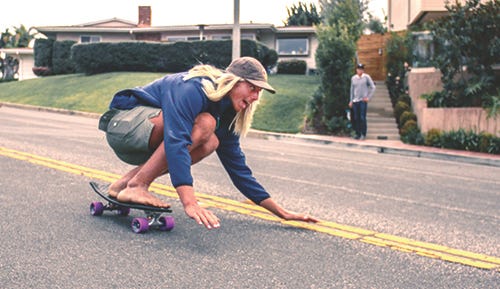
Bureo, a B Corp supported by Patagonia’s $20 Million and Change venture capital fund, makes skateboards from recycled fishing nets. (Photo by Kevin Ahearn)

The scale of human impacts on the health of the ocean ecosystems, including the amount of plastic waste, has driven many Certified B Corporations to take action. And there are plenty of impacts to address in addition to waste: unsustainable seafood harvesting, the “dead zone” in the Gulf of Mexico, and more. B Corps around the world are using business to save our oceans — meet five of them below!

Bureo

By transforming recycled fishing nets into action sports products like skateboards and sunglasses, Bureo protects the ocean and gives consumers a more sustainable option. As a 1% For The Planet member and startup participant in Patagonia’s Tin Shed Ventures fund, Bureo knows the benefits of giving and receiving and holds paying it forward as part of its mission. Ventura, California-based Bureo recently participated in the Plastic Ocean Pollution Solutions youth summit organized by Algalita, a nonprofit empowering young people to tackle the challenge of plastic pollution.

United By Blue

For every piece of clothing or other product sold, United By Blue removes 1 pound of trash from the world’s oceans and waterways through company-organized and hosted cleanups. To date, the company estimates that more than 1.6 million pounds of trash have been removed. The outdoor lifestyle products made by United By Blue reinforce the company’s commitment to reducing ocean waste: All of the company’s offerings incorporate recycled materials wherever possible, including its line of clothing made with recycled polyester.

Packaging 2.0

The amount of single-use plastic in the food industry, in particular, is part of what led Michael Brown to found Packaging 2.0 in 2002. The company creates “responsible packaging for the future of our oceans” by selling and marketing plastic packaging made from post-consumer recycled materials to natural foods stores. In 2014, Packaging 2.0 sold more than 15 million packages made from over 1.5 million pounds of recycled plastic resin. This saved 1.5 million kilowatts of energy and 900 tons of greenhouse gas versus virgin plastic, according to the company. The Rhode Island-based B Corp hopes to greatly increase the rates of plastic recycling and reduce the amount of plastic that ends up in our oceans.
Luke’s Lobster

Luke’s Lobster promises its guests harbor-to-roll traceability and supply sustainability for all of its seafood offerings. The company has become its own supplier, working directly with fishing co-ops it helped establish — and it hasn’t limited sustainable growth to do so. Luke’s has more than two dozen locations dotted across the U.S., reeled in $50 million in sales in 2017, employs about 500 people, and launched in fall 2018 on the West Coast in San Francisco.

Last year Luke’s partnered with United By Blue to remove over 10,000 pounds of trash from the ocean, and the B Corp funded kelp aquaculture research to reduce ocean acidification.
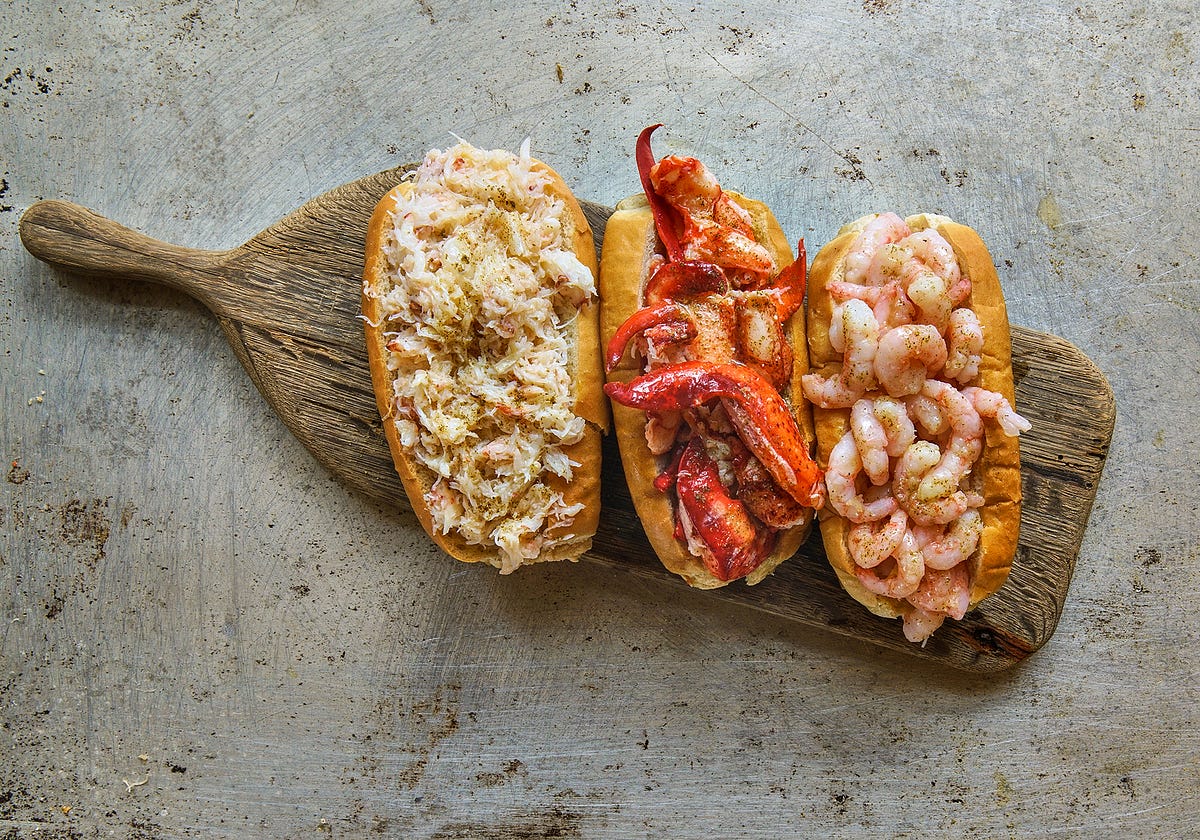
Luke’s Lobster’s seafood is verified sustainably sourced through an ethical supply chain built around the fishermen responsible for their core products, left to right: crab roll, lobster roll, shrimp roll.

“We’re working almost exclusively with cooperatives up and down the coast, buying directly from those groups. We’re in charge on quality, safety and price,” says co-founder Luke Holden. “From day one, we have been following stakeholder theory, although we didn’t know to call it that in the beginning. As we continue to grow, we have a larger megaphone, so to speak, to do the right thing as we source and supply our shacks. We’ve kept our values, and we have been able to formalize them.”

Organic Ocean

Organic Ocean was launched by West Coast fishers who recognized the need for a balance between sustainable livelihoods and sustainable harvests. Its commitment to responsible harvests and healthy aquaculture led the B Corp’s seafood to be sought out by leading chefs who recognize that having the finest ingredients includes taking a look at how the ingredients are harvested. Organic Ocean has evolved into a community of seafood producers — traditional, modern, indigenous — who share an ethos built upon solving the ocean’s greatest environmental challenges and protecting its productive capacity.
Editors Note: The opinions expressed here by Impakter.com columnists are their own, not those of Impakter.com – Featured Photo Credit: Matt Hardy on Unsplash & BCorp
Tags: BcorpsEnvironmentEnvironmental Issuesoceans
Previous Post

We Need a Digital Transformation in Global Health

Next Post

Wind Craft Aviation: creating the future of flight, and it is sustainable!

Related Posts

Vapes
Environment

How Bad Is Vaping for the Environment?

From lithium-linked fires and e-waste to plastic pollution, disposable vapes pose serious environmental and health risks. Tobacco smoking has been...

byAnastasiia Barmotina
December 18, 2025
How Climate Change Could Help Foster Peace in Yemen
Climate Change

How Climate Change Could Help Foster Peace in Yemen

Yemen's tragedy is traditionally depicted through the limited perspective of humanitarian need and political divisiveness, but there is a greater...

byTareq Hassan - Executive Director of the Sustainable Development Network Canada (SDNC)
December 16, 2025
ESG News regarding Flooding in Indonesia; Glencore promises copper production boost; Trump proposes slashing fuel efficiency standards, and Vulcan Energy receives $2.57bn of funding for lithium project
Business

Indonesians Blame Deforestation for Recent Floodings

Today’s ESG Updates: More than 700 Lives Lost in Recent Indonesian Floods: A combination of mass deforestation and heavy rainfall...

byAriq Haidar
December 4, 2025
ESG News regarding the UK’s Updated Environmental Improvement Plan, modernizing Mauritania’s railway system, the EU carbon border tax, and the EU’s cross-border energy projects
Business

UK Unveils Updated Environmental Improvement Plan

Today’s ESG Updates UK Accelerates Nature Recovery: The government commits £500m to Landscape Recovery and targets 250,000 hectares of restored...

bySarah Perras
December 1, 2025
COP30: Countries’ Climate Agrifood Ambitions Undermined by Funding Gaps, Report Finds
Biodiversity

COP30: Countries’ Climate Agrifood Ambitions Undermined by Funding Gaps, Report Finds

Developing countries recognize the urgent need to adapt agrifood systems to climate change, but most National Adaptation Plans (NAPs) are...

byThe Food and Agriculture Organization of the United Nations (FAO)
November 19, 2025
ESG News regarding: only 16% of companies on track to hit net zero targets by 2050 per Accenture report, Orsted completes green transformation, EU and UK to begin carbon market link negotiations, China to expand renewable energy sector
Business

Only 16% of Large Companies on Track for Net Zero

Today’s ESG Updates Accenture Report Highlights Net Zero: While 89% of the world’s largest companies link decarbonization to business value,...

bySarah Perras
November 12, 2025
From Caves to COP30: Comparing the Neanderthals and Modern Humans
COP30

From Caves to COP30: Comparing the Neanderthals and Modern Humans

There is much positive to be said about life in this twenty-first century; we live longer and have multiple technologies...

byRichard Seifman - Former World Bank Senior Health Advisor and U.S. Senior Foreign Service Officer
November 9, 2025
climate change and food
Biodiversity

COP30: Climate Extremes Are Already Impacting Food Yields Today

The 30th United Nations Climate Change Conference (COP30), taking place in Belém, Brazil, brings together world leaders, scientists, non-governmental organizations, and...

byThe Food and Agriculture Organization of the United Nations (FAO)
November 7, 2025
Next Post
Wind Craft Aviation: creating the future of flight, and it is sustainable!

Wind Craft Aviation: creating the future of flight, and it is sustainable!

Recent News

Canada Sets Green Investment Rules; UK Regulator Probes WH Smith; Louvre Workers Call Off Strike;Trump Allies Clash With Fannie, Freddie Staff.

A New Rulebook for Green Capital: Canada

December 19, 2025
brother and sister playing in a playground

Sustainable Playground Materials and Design for Cities

December 19, 2025
soil

To Prevent Ecological Collapse, We Must Start With the Soil

December 19, 2025
  • ESG News
  • Sustainable Finance
  • Business

© 2025 Impakter.com owned by Klimado GmbH

No Result
View All Result
  • Environment
    • Biodiversity
    • Climate Change
    • Circular Economy
    • Energy
  • FINANCE
    • ESG News
    • Sustainable Finance
    • Business
  • TECH
    • Start-up
    • AI & Machine Learning
    • Green Tech
  • Industry News
    • Entertainment
    • Food and Agriculture
    • Health
    • Politics & Foreign Affairs
    • Philanthropy
    • Science
    • Sport
  • Editorial Series
    • SDGs Series
    • Shape Your Future
    • Sustainable Cities
      • Copenhagen
      • San Francisco
      • Seattle
      • Sydney
  • About us
    • Company
    • Team
    • Global Leaders
    • Partners
    • Write for Impakter
    • Contact Us
    • Privacy Policy

© 2025 Impakter.com owned by Klimado GmbH