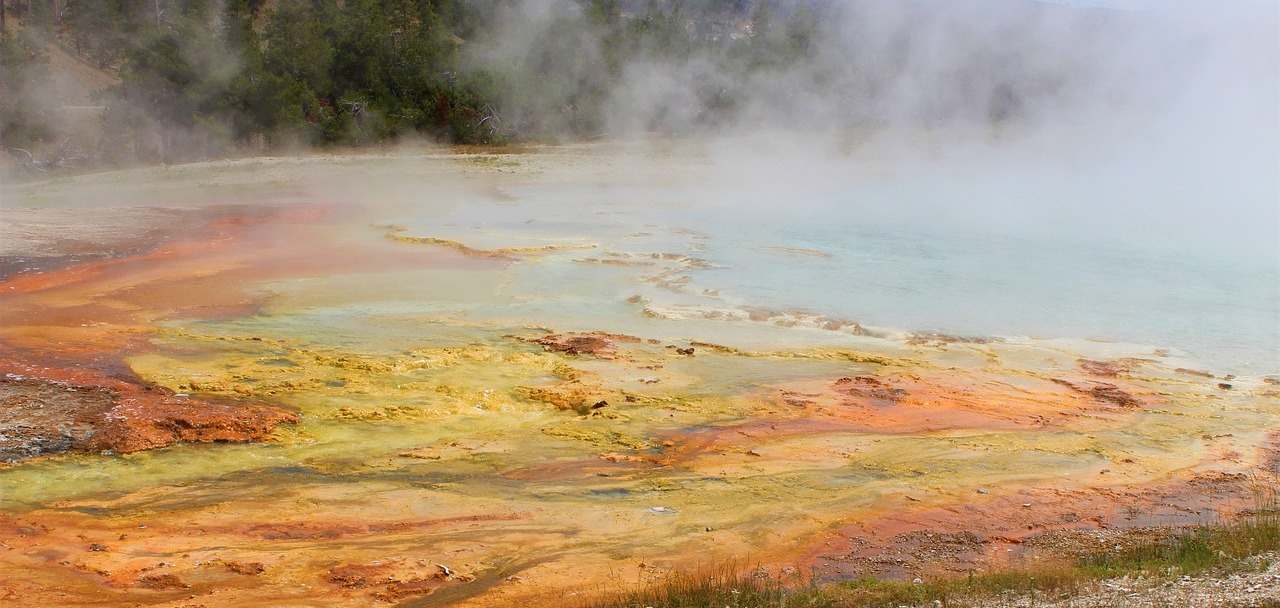
Unlike other forms of renewable energy, such as solar or wind, geothermal energy is available 24/7, making it a reliable and consistent source of power. Quaise Energy, an MIT spin-off, has raised $25 million in December 2023, setting itself the ambitious goal of “unlocking geothermal energy for the world’s population” through “tapping into the million-year energy source below our feet”.
So why should we be going geothermal and what is at stake here?
The promise of geothermal energy
Geothermal energy offers numerous advantages over traditional fossil fuel-based energy sources.
First, it is a clean and renewable energy source, meaning it produces virtually no greenhouse gas emissions or air pollution. This makes it an excellent alternative to fossil fuels, which contribute to climate change and air pollution.
What is more, geothermal energy is highly efficient. Unlike other renewable energy sources like solar or wind, geothermal energy is not dependent on weather conditions. It operates consistently and can provide a stable source of power throughout the year.
Furthermore, geothermal energy is an exceptionally reliable renewable resource. The heat generated within the Earth’s core is constantly replenished, ensuring a long-term and sustainable source of power for future generations.
As is well known, traditional energy sources, such as coal and natural gas, are finite and contribute to environmental pollution and climate change. Their extraction and combustion release harmful emissions into the atmosphere, leading to air pollution and global warming.
Moreover, traditional energy sources are subject to price volatility and geopolitical tensions. The price of fossil fuels can fluctuate due to factors such as supply disruptions, geopolitical conflicts, and changing market dynamics.
On a global scale, Europe is the continent most strongly committed to finding alternative sources of energy. The EU’s commitment to the geothermal sector is deeply rooted in the European Green Deal while it is in active search of alternative ways to cut off ties with Russia in terms of energy reliance.
Within such a context, an innovation related to harnessing geothermal energy is more than welcome.
The challenges to harnessing geothermal energy
The process of harnessing geothermal energy begins with drilling deep into the Earth’s crust to reach geothermal reservoirs. These reservoirs contain hot water and steam, which are used to generate electricity or provide heating for buildings. The hot water and steam are brought to the surface through production wells, where the heat is extracted and converted into usable energy.
Tapping into geothermal energy can be a costly endeavor, with plant costs ranging from approximately $2 to $7 million for a 1 megawatt capacity. Despite the high upfront expenses, these investments have the potential to be recovered over time, making them a viable long-term option. Even though geothermal energy generally does not emit greenhouse gasses, digging can release a significant amount of these gasses that are stored beneath the Earth’s surface into the atmosphere.
While these gasses are naturally released into the atmosphere, their release rate increases near geothermal plants. Nevertheless, the emissions from these gasses are still significantly lower than those produced by burning fossil fuels.
Renewable energy derived from geothermal sources also carries the potential to cause seismic activity. This is attributed to the changes in the Earth’s composition caused by excavation. This issue is more prominent in advanced geothermal power plants, where water is injected into the Earth’s crust to create fractures for better resource extraction.
What Quaise brings to the process
Even though other startups specialize in harnessing geothermal power (Eavo, Fervor Energy, Dandelion Energy), Quaise Energy has created a pioneering millimeter wave drilling technology to harness the full potential of geothermal energy.
The plan could easily be disregarded as impractical if it relied on an untested and unproven technology. However, Quaise’s drilling methods revolve around a well-established microwave-emitting device known as a gyrotron, which has been utilized in research and production for many years. Paul Woskov’s work as a research engineer in MIT’s Plasma Science and Fusion Center inspired Quaise innovative technology.
Once the immediate engineering challenges of transmitting a pure beam and ensuring its efficiency at a high energy density without breakdown are resolved, the process will be swift. This is due to the availability of gyrotron, the underlying technology, on the commercial market. While these beam sources have not yet been utilized around the clock, they are designed to function for extended periods of time, by allowing to drill down to 20 km and 500° C.
According to Woskov, “In five or six years, I think we’ll have a plant running if we solve these engineering problems. I’m very optimistic.”
Related Articles: Clean Energy Tech: 6 Trends in 2024 | Energy Transition: Global Investments Hit Record High but Remain Insufficient for Net Zero | How Commercial Flights Could Go Electric | New Alliance to Mobilize $2.8 Trillion for Clean Energy in the Global South
Quaise Energy can expedite its progress by drilling at established power plants instead of obtaining permits for new plants. Additionally, their millimeter-wave drilling equipment is designed to enable the company to access the global labor force of the oil and gas industry.
“When you look at the entire world, the maximum depth you would need to drill to tap geothermal would be 12 miles. So, we really want to be able to go to 12 so the whole world will have access to geothermal power. while there is a lot of investment going into geothermal, it’s still tiny compared with wind and solar,” stated the founder of the company, Carlos Araque.
The Future of Geothermal Energy: Promising but…
Technological advancements, such as enhanced geothermal systems and deep drilling techniques, are being developed to expand the reach of geothermal energy. These advancements will make it possible to tap into previously untapped geothermal reservoirs, further increasing the availability of geothermal resources.
As the global demand for clean and renewable energy increases, the importance of geothermal power as a sustainable source will continue to grow. Quaise Energy’s expertise and commitment to geothermal energy position the company as a key player in America’s energy transition.
Even though geothermal energy has been widely accepted as a sustainable source of energy, there are still problems that need to be solved at an early stage.
To begin with, geothermal energy is not equally distributed among countries, a fact that raises a simple question: What happens to countries that do not have adequate access to geothermal energy, will this be an early warning of future inequality? And if so, what measures in what sectors should be taken to prevent this from happening and to regulate equal access to geothermal energy?
Additionally, there seem to be no clear precautionary measures or a strategy regarding the potential triggering of earthquakes caused by the exploitation of geothermal energy. What is more, geothermal energy might be sustainable but it may still produce pollutants.
Finally, by embracing geothermal energy, we can reduce our reliance on fossil fuels, mitigate climate change, and shape a greener future for generations to come if properly prepared. With its innovative techniques and cutting-edge technology, Quaise Energy is leading the way by creating a pioneering drilling solution — at least, for now.
Editor’s Note: The opinions expressed here by the authors are their own, not those of Impakter.com — Featured Photo Credit: Needpix.