Impakter
  • Environment
    • Biodiversity
    • Climate Change
    • Circular Economy
    • Energy
  • FINANCE
    • ESG News
    • Sustainable Finance
    • Business
  • TECH
    • Start-up
    • AI & Machine Learning
    • Green Tech
  • Industry News
    • Entertainment
    • Food and Agriculture
    • Health
    • Politics & Foreign Affairs
    • Philanthropy
    • Science
    • Sport
  • Editorial Series
    • SDGs Series
    • Shape Your Future
    • Sustainable Cities
      • Copenhagen
      • San Francisco
      • Seattle
      • Sydney
  • About us
    • Company
    • Team
    • Global Leaders
    • Partners
    • Write for Impakter
    • Contact Us
    • Privacy Policy
No Result
View All Result
Impakter logo
No Result
View All Result
Seamore: Could Seaweed Become a Common Source of Sustainable Food?

Seamore: Could Seaweed Become a Common Source of Sustainable Food?

Rosa Munson-BlattbyRosa Munson-Blatt
June 21, 2019
in Foodscape, Style
1

“The world of food is in trouble,” alerts the company Seamore on their website. But do not despair for the innovative company also has a proposed solution: seaweed.

The many processes of the food industry contribute enormously to climate change. According to a report released by the Food and Agriculture Organization of the United Nations, 14.5% of global carbon emissions are from livestock production alone.
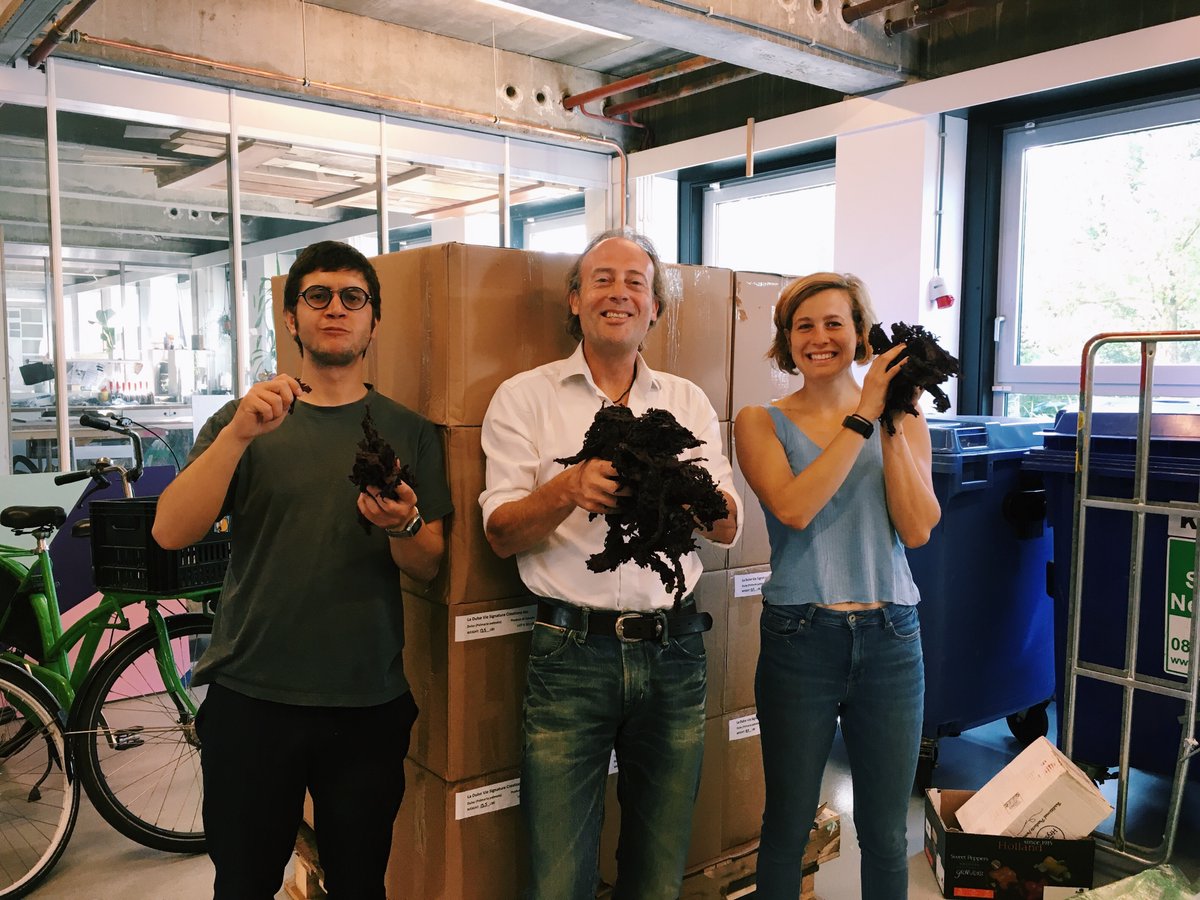
In the Photo: Willem Sodderland holding seaweed with part of his staff. He first had the idea for Seamore while at a restaurant in Ibiza that served him that included seaweed. Photo Credit: Seamore

Willem Sodderland, the founder of Seamore, recognized the critical need to address the environmental ruin caused by the food industry. He turned to seaweed which he explains is nutrient-rich, can be sustainably sourced, and most importantly can “upgrade” any dish.

 What inspired you to start Seamore?

Willem Sodderland: I have been an entrepreneur for 20 years. I previously started a chain of juice bars and a word-of-mouth marketing agency. With this agency, I helped launch more than 250 products. So, it’s fair to say I have always been an innovator.

The Seamore adventure all started on the island of Ibiza when I had visited with my family. I had recently left the marketing agency and was looking for a new revolution to kickstart. I ordered a seaweed salad in a restaurant, a beautiful dish arrived but there was no seaweed to be seen. Disappointed, I went to see the chef. He explained that the green tagliatelle on my plate was actually the seaweed. And that it grew on the rocks looking exactly like pasta. That was my eureka moment.


Related Articles:

“Food Waste and All the Symptoms of Unsustainable Food System”  

“Salty Girl Seafood Interview: Reconnecting the Producer Consumer Divide”


What if we could eat seaweed as pasta? Swap veggies for carbs? I started doing research and found that seaweed is considered the healthiest and most sustainable food on the planet. The big question: how do you get it onto people’s plates? Well, I had an idea for that, turn it into an everyday food by presenting it as food that people already know and love. After I had found a way to harvest enough seaweed we did a crowdfunding campaign for Seamore and its first product: I sea pasta –and we’re underway.
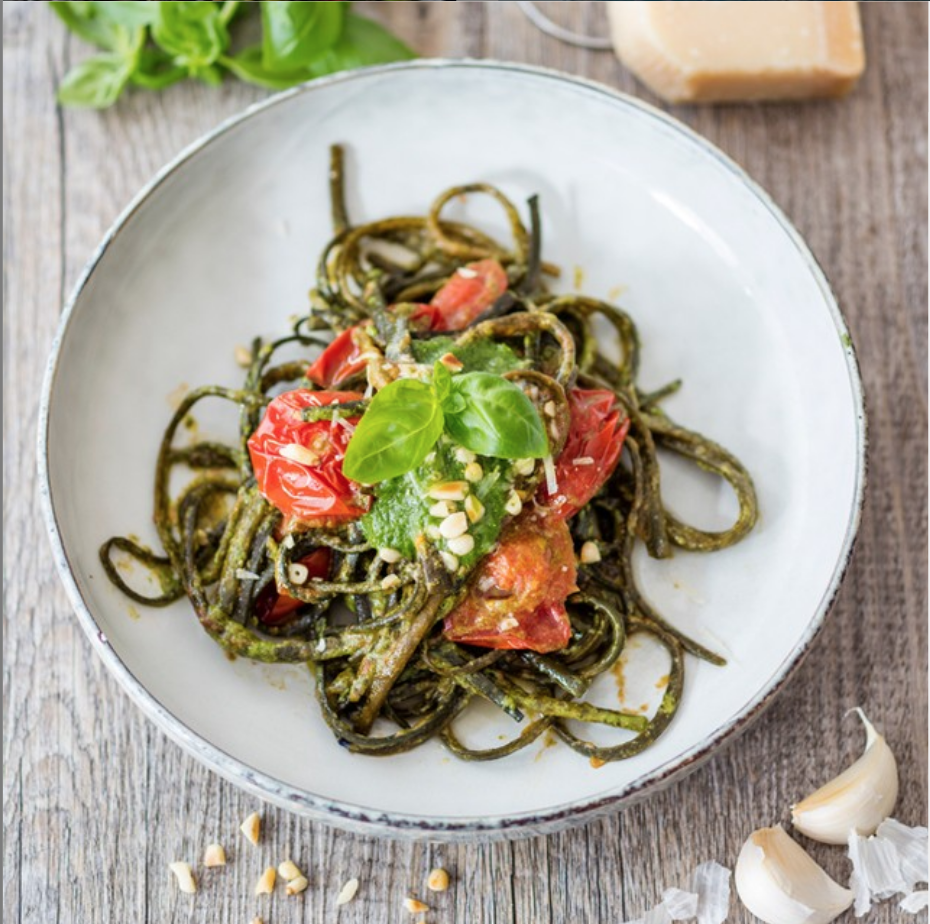
Seamore dish
In the Photo: Seamore’s seaweed pasta being used in a dish. Photo credit: Seamore

What kind of food does Seamore produce? 

W. S. : We make seaweed-based products. Seaweed pasta and bacon (both 100% pure seaweed), as well as seaweed wraps, bread, hummus, and mayonnaise (all hybrid with seaweed and other ingredients).

Why does seaweed hold such great potential?

W. S. : Seaweed is an amazing source of food because it provides fantastic nutrients and does not require any scarce resources to grow. At the moment, we are getting 2% of our food from the ocean. Whereas it represents 71% of the planet. To make our food more sustainable, we will have to start sourcing our food from the ocean.

Interestingly enough, in Asia seaweed is used a lot because of its umami taste. Umami is a natural flavor enhancer which means you can use less salt when working with seaweed.  It can be very tasty and is good for you and the planet.
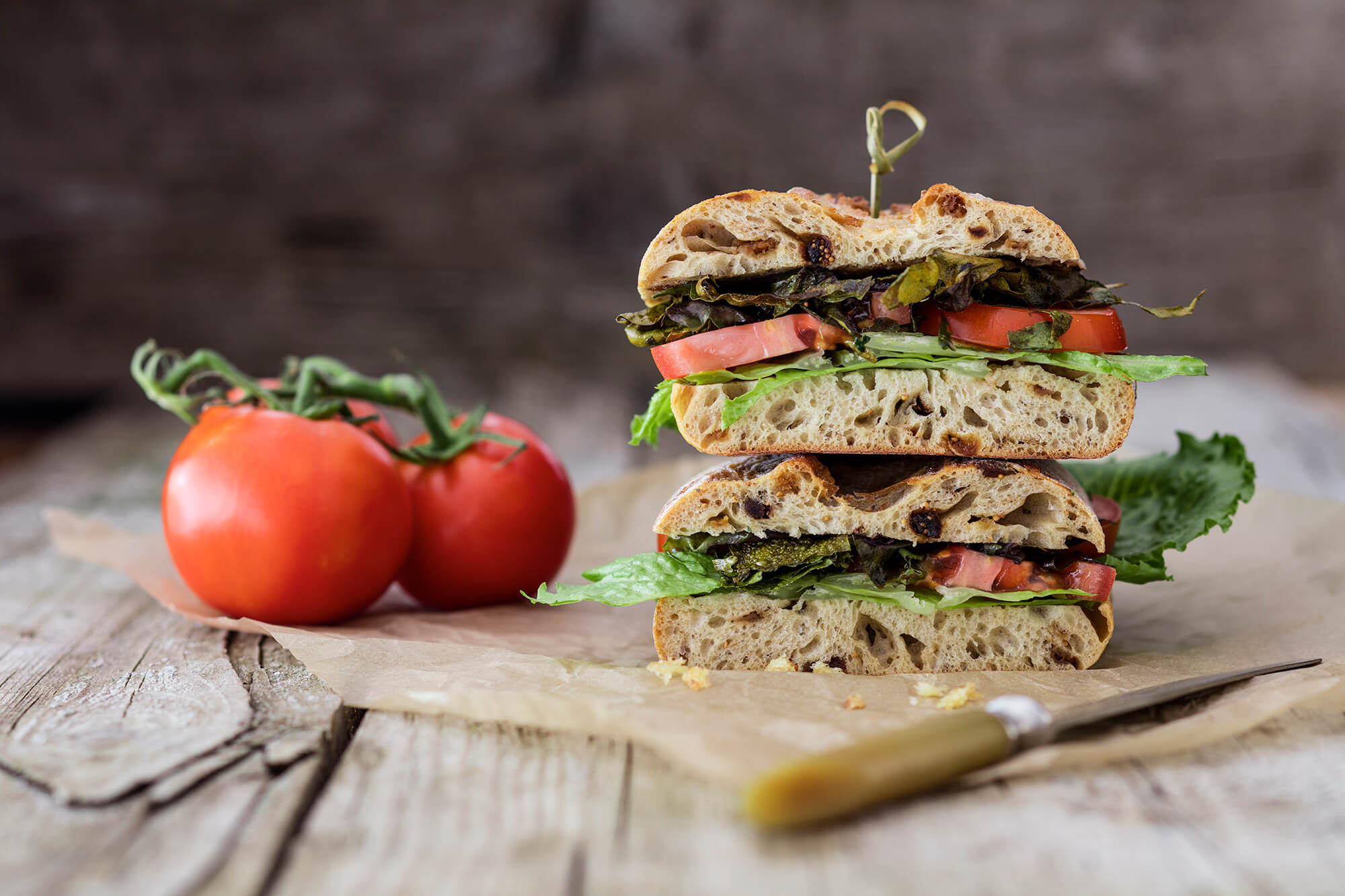
In the Photo:  With more than a third of seaweed in the dough, Seamore has launched the first-ever seaweed bread. Photo Credit: Seamore

How many customers have tried Seamore’s seaweed so far?

W. S. : We don’t know exactly. We are selling our products in more than 1,000 stores in eight countries. We are growing quite fast and part of the growth is coming from new products. We are also looking to start developing products for and with other retail brands, like a seaweed smoothie for Innocent drinks. This way we could get seaweed to more people even faster. Lastly, we have started working in the Food Service channel, with large catering companies, and chains of restaurants.

How is your company working towards achieving the SDGs (Sustainable Development Goals)?

W. S. : In many ways. Obviously, reducing the footprint of our food is a key thing. Eating seaweed will also help reclaim land that is now being depleted for agricultural use. But seaweed can bring much more. It can help bring jobs to coastal areas. It can have a great contribution to health and wellbeing, such as through combatting modern diseases like obesity and diabetes.

You can learn more about Seamore and find their recipes here.

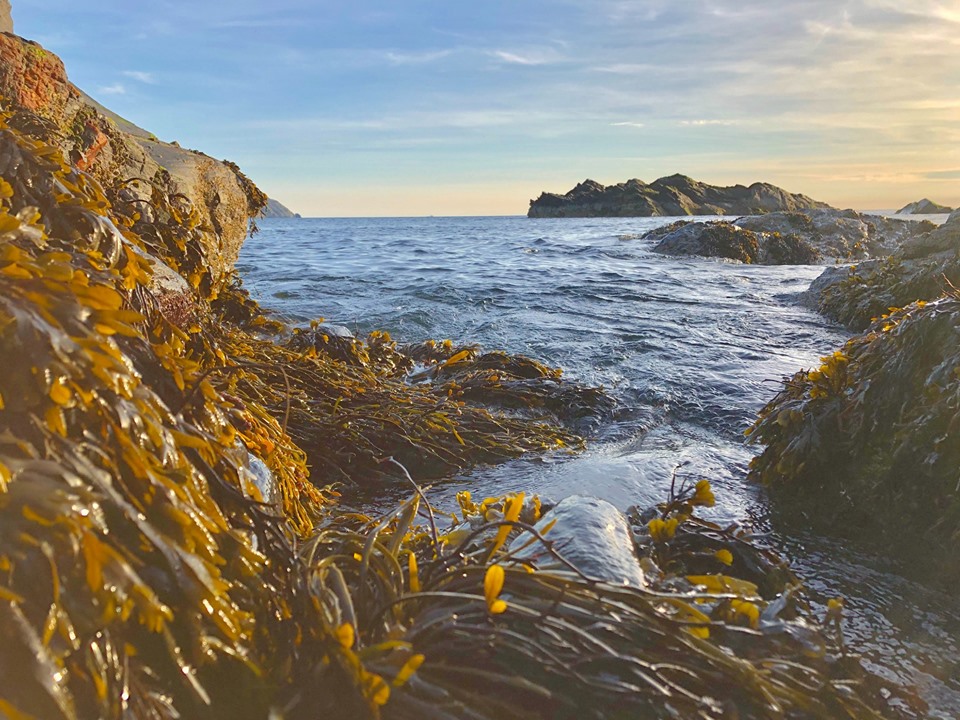
In the Cover Picture: Seaweed in a bay. Photo Credit: Seamore.

EDITOR’S NOTE: The opinions expressed here by Impakter.com columnists are their own, not those of Impakter.com.
Tags: food systemsImapkterRosa Munson-BlattSeamoreseaweedSustainabilityWillem Sodderland
Previous Post

What Does It Mean to Work at a B Corp? Flexibility When Life Gets Real

Next Post

Imamoglu: A New Hope For Turkish Democracy?

Related Posts

News about sustainability in the publishing industry
Environment

How the Publishing Industry Addresses the Carbon Footprint of Books

Books are ever-present in our lives: we look through picture books when we are children, study textbooks in school and...

byAnastasiia Barmotina
January 8, 2026
Canada Sets Green Investment Rules; UK Regulator Probes WH Smith; Louvre Workers Call Off Strike;Trump Allies Clash With Fannie, Freddie Staff.
Business

A New Rulebook for Green Capital: Canada

Today’s ESG Updates Canada Sets Green Investment Rules: Canada will introduce a sustainable investment taxonomy by 2026 to label green...

byEge Can Alparslan
December 19, 2025
ESG news regarding Deforestation Mandate Being Pushed; EUs Acceleration on Hydrogen and Net Zero Revolution; AT&T Will End All DEI; UK Watchdog Blocks Nike and Lacoste Ads Over Green Claims.
Business

U-Turn in Europe: Deforestation Mandate Pushed Back Again

Today’s ESG Updates EU Lawmakers Agree to Delay Deforestation Rules: The EU has delayed and simplified its Deforestation Regulation until...

byEge Can Alparslan
December 5, 2025
Animal Health
Biodiversity

Better Animal Health Is the Low-Risk, High-Reward Climate Investment We Need

Imagine if there was a way to reduce emissions from the meat, egg and dairy sector by nearly a quarter,...

byCarel du Marchie Sarvaas
November 26, 2025
ESG news covering the EU’s delay of deforestation rules, rising U.S. housing risks from climate impacts, IFC’s $100M clean-energy investment in emerging markets, and ABN AMRO’s appointment of a new Chief Sustainability Officer.
Business

EU Delays Deforestation Regulation Again

Today’s ESG Updates EU Delays Deforestation Law: Europe postpones the EUDR by one year and loosens compliance rules, raising concerns...

byEge Can Alparslan
November 21, 2025
Native American Sovereignty
Society

Native American Sovereignty and Environmental Sustainability

Sustainability is defined as harvesting or using a resource so that it is not depleted or permanently damaged. Environmental sustainability...

byDr. Annis Pratt
November 11, 2025
The Amazon rainforest is often called “the lungs of the world.” It produces oxygen and stores billions of tons of carbon every year. The Amazon rainforest covers more than 60% of the landmass of Peru. Photo Credit: USDA Forest Service / Diego Perez.
Biodiversity

Inside COP30

The 30th United Nations Climate Change Conference (COP30) is taking place in Belém, Brazil, from November 10 to 21, 2025....

byInternational Institute for Sustainable Development (IISD)
November 10, 2025
climate change and food
Biodiversity

COP30: Climate Extremes Are Already Impacting Food Yields Today

The 30th United Nations Climate Change Conference (COP30), taking place in Belém, Brazil, brings together world leaders, scientists, non-governmental organizations, and...

byThe Food and Agriculture Organization of the United Nations (FAO)
November 7, 2025
Next Post
Imamoglu: A New Hope For Turkish Democracy?

Imamoglu: A New Hope For Turkish Democracy?

Please login to join discussion

Recent News

Five Keys to Understanding Venezuela’s Oil History

Five Keys to Understanding Venezuela’s Oil History

January 13, 2026
First of Its Kind One Health Book: A Review

First of Its Kind One Health Book: A Review

January 13, 2026
Diamond Painting Designs

7 Beautiful Diamond Painting Designs You’ll Love Working On 

January 13, 2026
  • ESG News
  • Sustainable Finance
  • Business

© 2025 Impakter.com owned by Klimado GmbH

No Result
View All Result
  • Environment
    • Biodiversity
    • Climate Change
    • Circular Economy
    • Energy
  • FINANCE
    • ESG News
    • Sustainable Finance
    • Business
  • TECH
    • Start-up
    • AI & Machine Learning
    • Green Tech
  • Industry News
    • Entertainment
    • Food and Agriculture
    • Health
    • Politics & Foreign Affairs
    • Philanthropy
    • Science
    • Sport
  • Editorial Series
    • SDGs Series
    • Shape Your Future
    • Sustainable Cities
      • Copenhagen
      • San Francisco
      • Seattle
      • Sydney
  • About us
    • Company
    • Team
    • Global Leaders
    • Partners
    • Write for Impakter
    • Contact Us
    • Privacy Policy

© 2025 Impakter.com owned by Klimado GmbH