Impakter
  • Environment
    • Biodiversity
    • Climate Change
    • Circular Economy
    • Energy
  • FINANCE
    • ESG News
    • Sustainable Finance
    • Business
  • TECH
    • Start-up
    • AI & Machine Learning
    • Green Tech
  • Industry News
    • Entertainment
    • Food and Agriculture
    • Health
    • Politics & Foreign Affairs
    • Philanthropy
    • Science
    • Sport
  • Editorial Series
    • SDGs Series
    • Shape Your Future
    • Sustainable Cities
      • Copenhagen
      • San Francisco
      • Seattle
      • Sydney
  • About us
    • Company
    • Team
    • Global Leaders
    • Partners
    • Write for Impakter
    • Contact Us
    • Privacy Policy
No Result
View All Result
Impakter logo
No Result
View All Result
Scientists Find Microbes That Can Break Down Plastic in the Cold

Scientists Find Microbes That Can Break Down Plastic in the Cold

Scientists have discovered novel strains of plastic-degrading bacteria and fungi in the Alps and the Arctic that can break down plastics at lower temperatures. What could this mean for the future of recycling?

Jessica MasonbyJessica Mason
May 15, 2023
in Environment, Science
0

On May 10, scientists from the Swiss Federal Institute for Forest, Snow and Landscape Research (WSL) and the Swiss Federal Institute of Technology (ETH) published a study in Frontiers in Microbiology, revealing the existence of microbes that can degrade plastics at 15°C which have the potential to be revolutionary in microbial recycling.

Temperature is a key element that has a large impact on biodegradation rates, but until now, microbial plastic degradation has, for the most part, been studied at temperature above 20°C. The fact that these microbial strains are cold-adapted is significant because less energy is required for the plastic degradation process, so it is more sustainable than previous efforts to break down plastic.

In total, 19 strains of bacteria and 15 strains of fungi were extracted from plastics in areas in the Alps and the Arctic. The scientists allowed the microbes to grow as single strain cultures in the laboratory at 15°C, in darkness, and then they were tested on different types of plastic to identify if they could degrade them.

The plastics experimented on included: 

  • Non-biodegradable polyethylene (PE): Mainly used in packaging.
  • Biodegradable polyester-polyurethane (PUR): Widely used in industrial applications to produce foams, adhesives and coatings.
  • Pure polybutylene adipate terephthalate (PBAT): Used in shopping bags, cutlery and mulch film.
  • Pure Polylactic acid (PLA): Widely used in biomedical fields, for example, in suture threads, bone fixation screws and devices for drug delivery.
  • Two biodegradable mixtures of PBAT and PLA.

Despite the fact that none of the microbes could degrade PE, 19 strains (56%) – including 11 fungi and eight bacteria – were able to break down PUR at 15°C, while 14 fungi and three bacteria were able to degrade the plastic mixtures of PBAT and PLA. 

In particular, two fungal strains, Neodevriesia and Lachnellula, were able to degrade all of the biodegradable plastic materials used in the study, which the scientists say could make these strains “especially promising for future applications.”

Many microorganisms have already been discovered that can break down plastics, but they only usually work at high temperatures, which makes the process expensive. The high temperatures required also mean that the use of these microorganisms requires a lot of energy. 


Related Articles: Is Recycling as Green as We Think It Is? | Plastic Recycling: Ditch it or Improve it?

There are many global initiatives working to provide new and more effective recycling methods to ensure that plastic does not end up littering natural spaces and polluting the oceans.

Yet, only 9% of plastic waste is currently recycled, while 22% is mismanaged, according to a 2022 report by OECD. The majority of plastic still ends up in landfill.

In addition, current conventional methods of recycling plastic can have “considerable downsides,” the study explains. For example, chemical recycling requires the application of high temperatures and toxic solvents, and mechanical recycling results in a decrease in polymer quality, which means that the plastic cannot be used forever. 

However, the new promising approach for recycling biodegradable plastics, under mild conditions, is by depolymerization of polymers using microbial enzymes involved in plastic biodegradation, and that is what this new report on plastic-degrading microbes is focused on.

The Future of Plastic Recycling

It is now widely known that plastic waste is an extremely concerning world issue. For example, plastic debris in the ocean has formed the Great Pacific Garbage Patch, and this debris has had a severe impact on the development of wildlife and marine communities.

In addition to this, plastic pollution has had a detrimental impact on plant growth, and is a threat to crop production and food safety.

139 Mt of #plastics have accumulated in oceans & rivers 🌍🌊

Cleaning up is more difficult & costly every year, as plastics steadily migrate from rivers to oceans & breaks into smaller particles.#PlasticsOutlook 👉 https://t.co/Jrym0V9ttS pic.twitter.com/BJPqvSoIpN

— OECD Environment (@OECD_ENV) February 23, 2022

That is why this new discovery of a potential recycling process that can be enacted in low temperatures is important. As the report states: “microorganisms have a great potential to enable a more sustainable plastic economy by biodegradation and enzymatic recycling of polymers.” 

According to The Guardian, Dr Beat Frey, Senior Scientist (Forest Soils and Biogeochemistry) at the Swiss Federal Institute for Forest, Snow and Landscape Research, and one of the study’s authors, explained that:

“The next big challenge will be to identify the plastic-degrading enzymes produced by the microbial strains and to optimise the process to obtain large amounts of proteins. In addition, further modification of the enzymes might be needed to optimise properties such as protein stability.”

With more development, these microbes could revolutionise plastic recycling; reducing the amount of plastic waste that ends up in landfill or in the oceans.


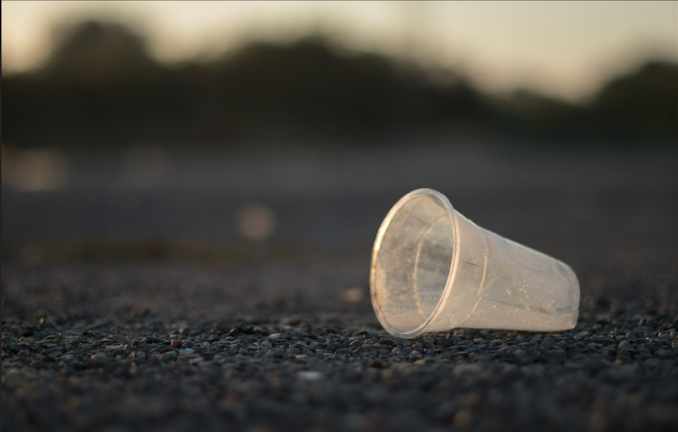
Editor’s Note: The opinions expressed here by the authors are their own, not those of Impakter.com — In the Featured Photo: A clear plastic cup on the ground. Featured Photo Credit: Flickr.

Tags: plasticPlastic Pollutionplastic recyclingplastic wasteRecycling
Previous Post

EU Farming in Trouble: The Solution? Young Farmers and a New Agricultural Model

Next Post

‘Quiet Luxury’: Where Chic Meets Climate Conscious

Related Posts

New GHG Protocol Structure Plans to Expand Reporting Beyond Scope 1–3
Business

New GHG Protocol Structure Plans to Expand Reporting Beyond Scope 1–3

Today’s ESG Updates GHG Protocol Develops New Multi-Statement Framework: Planned structure separates climate actions from scope 1–3 inventories. G20 Experts...

byLuis Guillermo Valdivia Chavez
November 26, 2025
ESG News regarding using AI to prevent wildfires, Ferrari’s deal with Shell, plastic waste job creation in UK, and China’s 30% increase in solar power use
Business

AI’s Role in Wildfire Prevention

Today’s ESG Updates Utilities Turn to AI for Wildfire Prevention: Power companies across the U.S. and Europe are partnering with...

bySarah Perras
November 25, 2025
plastic pollution
Editors' Picks

Biodegradable Plastics: Help or Hype?

The global annual production of plastics rose to 400 million metric tons in 2022 and is projected to double by 2050. Many items...

byThe Revelator
November 21, 2025
Plastic pollution coral reefs
Biodiversity

Protecting Coral Reefs From Plastic Pollution: The IUCN Congress as a Catalyst for Action and Collaboration

This week, the International Union for the Conservation of Nature (IUCN) sees its World Conservation Congress kick off in Abu...

byJanne van Eerten - Sr. Global Public Affairs Manager at The Ocean Cleanupand1 others
October 8, 2025
refuse-derived fuel
Business

This Fuel Is 50% Plastic — and It’s Slipping Through a Loophole in International Waste Law

Since 2019, the 191 countries that are party to an international agreement called the Basel Convention have agreed to classify...

byGrist
August 18, 2025
global plastics treaty
Circular Economy

No Resolution for the World’s $1.5 Trillion Plastic Problem

Standing along the shores of a beach in Vung Tau, Vietnam, a man finishes his plastic bottle of juice, and...

bySarah Perras
August 16, 2025
ESG news regarding plastic pollution treaty, Norsk Hydro job cuts, Panama Canal expansion plans, Russian aluminium giant Rusal reports loss
Business

Plastic Pollution Talks Overrun Amid Global Uncertainty

Today’s ESG Updates: Plastic Pollution Treaty Talks Extended: Global negotiations on the world’s first legally binding plastic treaty stalled. Norsk...

byYuxi Lim
August 15, 2025
Nearly 2/3 of Europe’s Heatwave Deaths Linked to Human-Caused Global Warming
ESG FINANCE

Nearly 2/3 of Europe’s Heatwave Deaths Linked to Human-Caused Global Warming

Today’s ESG Updates Fossil Fuels to Blame for Nearly ⅔ of Deaths in Europe’s June Heatwave: New study attributes the...

byLena McDonough
July 9, 2025
Next Post
‘Quiet Luxury’: Where Chic Meets Climate Conscious

‘Quiet Luxury’: Where Chic Meets Climate Conscious

Recent News

The Best Virtual Office Address In London For Your Startup

How To Choose The Best Virtual Office Address In London For Your Startup

December 5, 2025
Granddaddy Purple Strain

Where Granddaddy Purple Strain Gets Its Iconic Grape Flavor

December 5, 2025
ESG news regarding Deforestation Mandate Being Pushed; EUs Acceleration on Hydrogen and Net Zero Revolution; AT&T Will End All DEI; UK Watchdog Blocks Nike and Lacoste Ads Over Green Claims.

U-Turn in Europe: Deforestation Mandate Pushed Back Again

December 5, 2025
  • ESG News
  • Sustainable Finance
  • Business

© 2025 Impakter.com owned by Klimado GmbH

No Result
View All Result
  • Environment
    • Biodiversity
    • Climate Change
    • Circular Economy
    • Energy
  • FINANCE
    • ESG News
    • Sustainable Finance
    • Business
  • TECH
    • Start-up
    • AI & Machine Learning
    • Green Tech
  • Industry News
    • Entertainment
    • Food and Agriculture
    • Health
    • Politics & Foreign Affairs
    • Philanthropy
    • Science
    • Sport
  • Editorial Series
    • SDGs Series
    • Shape Your Future
    • Sustainable Cities
      • Copenhagen
      • San Francisco
      • Seattle
      • Sydney
  • About us
    • Company
    • Team
    • Global Leaders
    • Partners
    • Write for Impakter
    • Contact Us
    • Privacy Policy

© 2025 Impakter.com owned by Klimado GmbH