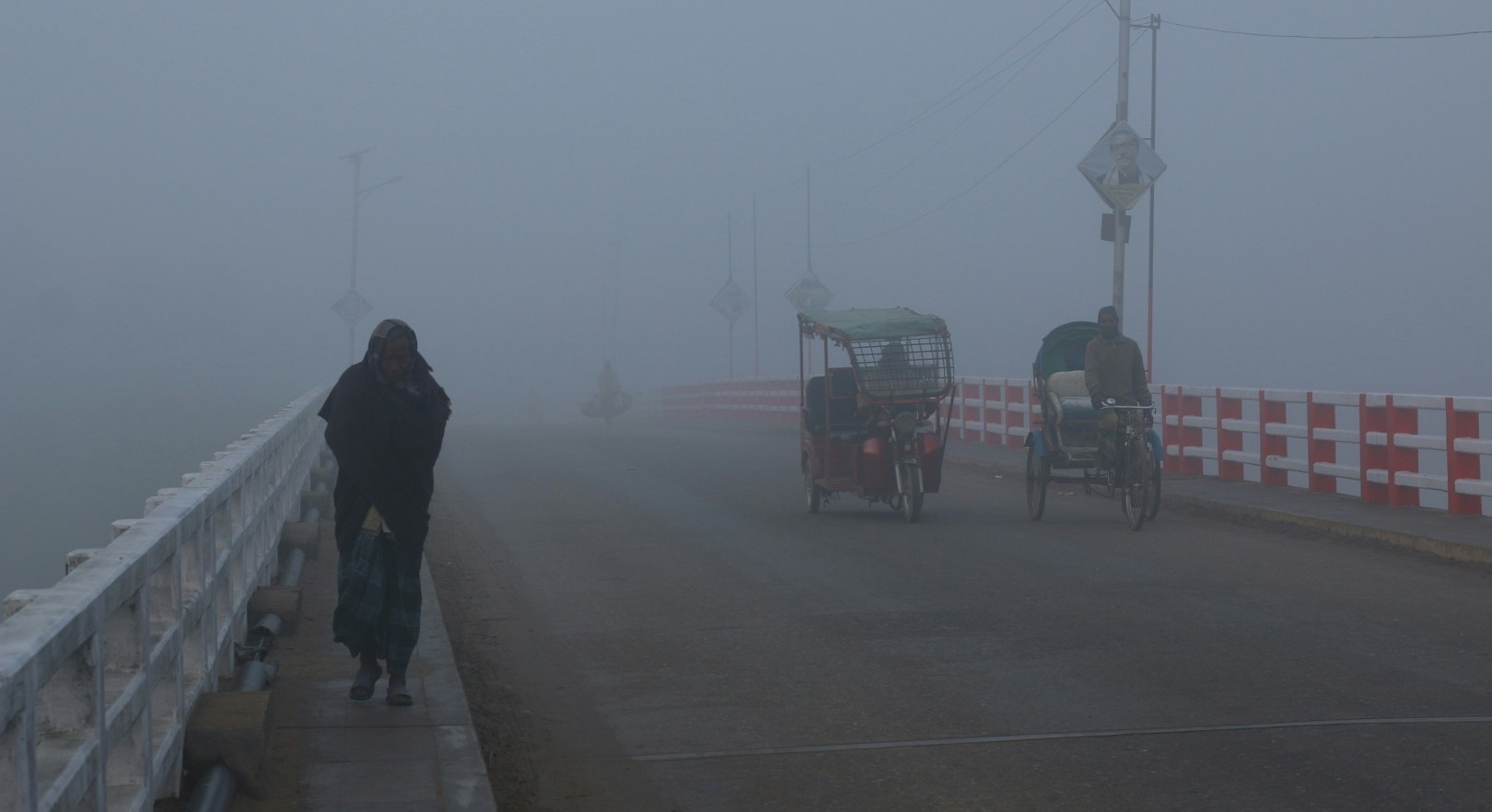
Air pollution remains a leading environmental threat to human health. According to the World Health Organization (WHO), 99% of the global population lives in areas that do not meet the WHO annual PM2.5 guideline level, particularly those in low- and middle-income countries.
IQAir’s 2024 World Air Quality Report, released on March 11, gathered data from more than 40,000 air quality monitoring stations across 8,954 locations in 138 countries, territories, and regions. In 2024, 17% of cities included in the report met the WHO annual PM2.5 guideline level, up from 9% in 2023.
What is PM2.5?
The IQAir report has based its evidence solely on empirically measured PM2.5 data collected from ground-level air monitoring stations. PM2.5 is fine particulate matter that is less than, or equal to, 2.5 microns in diameter. This metric is reported in micrograms per cubic meter (μg/m³).
The WHO air quality guideline (AQG) states that annual average concentrations of PM2.5 should not exceed 5 µg/m3 as PM2.5 can penetrate through the lungs and further enter the body through the bloodstream, affecting all major organs. Exposure to PM2.5 can cause diseases both to our cardiovascular and respiratory systems, provoking, for example stroke, lung cancer, and chronic obstructive pulmonary disease (COPD).
The most polluted countries in the world
The report found that Chad was the most air-polluted country of 2024, after failing to meet data availability standards in 2023. Chad recorded the highest annual PM2.5 concentration at 91.8 µg/m³, more than 18 times higher than the WHO PM2.5 guideline. The top 5 most polluted countries of 2024 also include:
- Bangladesh (78.0 µg/m3): More than 15 times higher than the WHO PM2.5 guideline.
- Pakistan (73.7 µg/m3): More than 14 times higher than the WHO PM2.5 guideline.
- Democratic Republic of the Congo (58.2 µg/m3): More than 11 times higher than the WHO PM2.5 guideline.
- India (50.6 µg/m3): More than 10 times higher than the WHO PM2.5 guideline.
On the other hand, only seven countries met the WHO annual average PM2.5 guideline of 5 µg/m3: Australia, Bahamas, Barbados, Estonia, Grenada, Iceland, and New Zealand.
Key findings by regions
Central & South Asia
Central and South Asia continues to experience some of the worst air pollution in the world, with five of the ten most polluted countries and nine of the ten most polluted cities globally. Byrnihat, India, was the most polluted metropolitan area of 2024, with an annual average PM2.5 concentration of 128.2 µg/m3.
The region of Central and South Asia was home to the top seven most polluted cities in the world. India was home to six of the nine most polluted global cities.
North America
In 2024, air quality in Northern America showed moderate improvements, with PM2.5 levels decreasing across the region. A significant portion of cities in the region showed improvements, with 67% of cities having annual average PM2.5 concentrations between 1-2 times the WHO guideline value.
The most polluted major U.S. city was Los Angeles, and the cleanest major city was Seattle. Ontario, California, was the most polluted city in the United States overall.
Latin America and the Caribbean
Among the 23 countries and territories that reported data in both 2023 and 2024, nine recorded increases in annual average PM2.5 concentration, 13 saw decreases, and one remained unchanged.
Mayaguez in Puerto Rico was the cleanest metropolitan area of 2024, with an annual average PM2.5 concentration of 1.1 µg/m3. Wildfires in the Amazon rainforest impacted vast areas of Latin America in 2024, with PM2.5 levels in some cities across Brazil’s Rondônia and Acre states quadrupling in September.
Africa
Africa’s air quality in 2024 remains a major public health crisis, with five of the world’s ten most polluted countries located in the region. In Africa, the scarcity of real-time, publicly accessible air quality monitoring data is so severe that there is only one monitoring station for every 3.7 million people.
Oceania
Oceania continued its streak as the least polluted region in the world in 2024, with 57% of the region’s cities meeting the WHO PM2.5 annual guideline value of 5 µg/m3.
Europe
In 2024, 167 cities across Europe remained below the WHO air quality guideline of 5.0 µg/m³, representing 8% of the region’s cities.
Related Articles: The Invisible Killer Lurking in the Air of Our Cities | Air Pollution in Europe: Exposure Kills 1,200 Children Every Year | How Useful Is the Air Quality Index? | How Polluted Is the Air in Europe? | How the EU Plans to Eliminate Air Pollution by 2050
Air pollution: a global cause for concern
The detrimental long-term effects of air pollution are a major cause for global concern, requiring immediate and sustained intervention. According to the Health Effects Institute (HEI), air pollution accounted for 8.1 million deaths globally in 2021. The EEA estimates that, in 2020, approximately 238,000 premature deaths were attributable to PM2.5 in the 27 EU Member States.
The IQAir report recognises that due to a lack of sufficient monitoring in key regions, particularly in Africa and West Asia, the real severity of poor air conditions may be much worse than the data reveals. IQAir pushes to increase the number of government-operated air quality monitoring stations, and urges governments to offer financial incentives to community organizations, universities, and individuals who establish their own monitoring stations.
There is a need for more widespread research, a commitment to decarbonization, funding for renewable energy projects, and established incentive programs to promote clean air vehicles.
Governments can even provide subsidies for battery-powered and human-powered transport methods, support infrastructure initiatives that support pedestrian traffic, and engage in responsible forest management practices to reduce wildfire risk.
Editor’s Note: The opinions expressed here by the authors are their own, not those of impakter.com — Cover Photo Credit: Azharul Islam Mollah.