A nature-positive economy starts with farms as sanctuaries. And by sanctuaries, we mean refuges for animals, not only those threatened with extinction but also those we don’t even see or want to see as useful. Take the lyrebird as an example.
Lyrebirds, one of Australia’s most ancient animals, are true ecosystem engineers. They have worked for the soil and worked through litter throughout this landscape in the Blue Mountains of Australia, doubtless for millions of years, with known fossil remains in one Australian museum going back 15 million years. Gifted with powerful claws, incredible powers of mimicry, and wonderful birdsong, lyrebirds are frequent ‘working wanderers’ seemingly oblivious to humans as I have had occasion to witness so that they can be easily observed here at close range.
A preferred spot is around old apple trees, on a terrace near dwellings, where they move copious amounts of soil and litter searching for food. And yet despite all the lyrebird’s apparently destructive activity, the aged, growth-covered apple trees survive – even thrive. They also roam through the expansive surrounding bush and forest floor in this World Heritage region, making profound changes to the ground layer they traverse.
Our landscape would be vastly different without them.
Lyrebirds are not the only ecosystem engineers in the world. Beavers in North America are also notably eco-active animals. But lyrebirds move more soil and litter than any other digging animals and through their incessant scratching, they are essential for creating forest firebreaks, thus helping to reduce the likelihood and intensity of bushfires.
It has been estimated that just one lyrebird, through its foraging, will displace approximately 11 dump trucks of litter and soil in a single year. No wonder dump truck services are definitely an essential in such operations.
What sort of economic value, then, could be placed on this sort of activity? ‘Incalculable’ comes to mind! Many of these unique birds fell victim to the 2019/20 catastrophic bushfires in Australia. Every surviving lyrebird is precious.
As we move forward, we need to embrace ‘not-business-as-usual’ strategies for addressing climate change. We need to work to prevent future pandemics. This requires that we acknowledge and take on-board the United Nations Agenda 2030 and the Sustainable Development Goals if we are ever going to get a chance to achieve a just world. It is time we give the status they deserve to all creatures such as the lyrebirds and all other lifeforms with whom we share this planet. This means extensive and far-reaching adoption of a nature-positive economy is required. A global symbiosis with nature is the prerequisite to achieving a sustainable and just world.
Farming and the way we produce food will play an essential role in this transformation. Food justice and social justice are intertwined. Respect for nature is part of social justice, part of farming. That is what a nature-positive economy is all about.
The Nature Action Agenda recommends three priority systems to focus on as we lead our global economies and society in a new direction for a nature-positive world:
- Food, land, and ocean use;
- extractives and energy;
- infrastructure and the built environment.
These are then catalysts for ecosystems protection and restoration (particularly forests and wetlands), counteracting nature loss and climate breakdown while creating jobs and rural livelihoods at the same time.
The World Economic Forum’s Future of Nature and Business Policy Companion cites some specific economic examples, such as restoring degraded forests generating between $7 and $30 for every $1 invested, and requiring a low-skilled, labor-intensive workforce at a time when as a result of COVID-19 there will be millions of job losses.
Natural forests store 40 times more carbon than plantation equivalents, are keepers of significant biodiversity, so obviously more worth intact than removed.
In these extreme weather times, it is also worth noting that mangrove forests generate more than $80 billion per year, protecting coastal areas from flooding.
This document further recommends stimulating more resource-efficient food systems, supporting diversification from diets based on resource-intensive animal proteins, such as embracing plant-based and laboratory-cultured proteins.
We know private capital is investing heavily in these alternatives, with a potential for 30 million new jobs by 2030. Adopting and accepting alternative proteins by the consumer, especially through the COVID-19 pandemic, is at an all-time high. Society is ready to accept what it takes for a nature-positive economy.
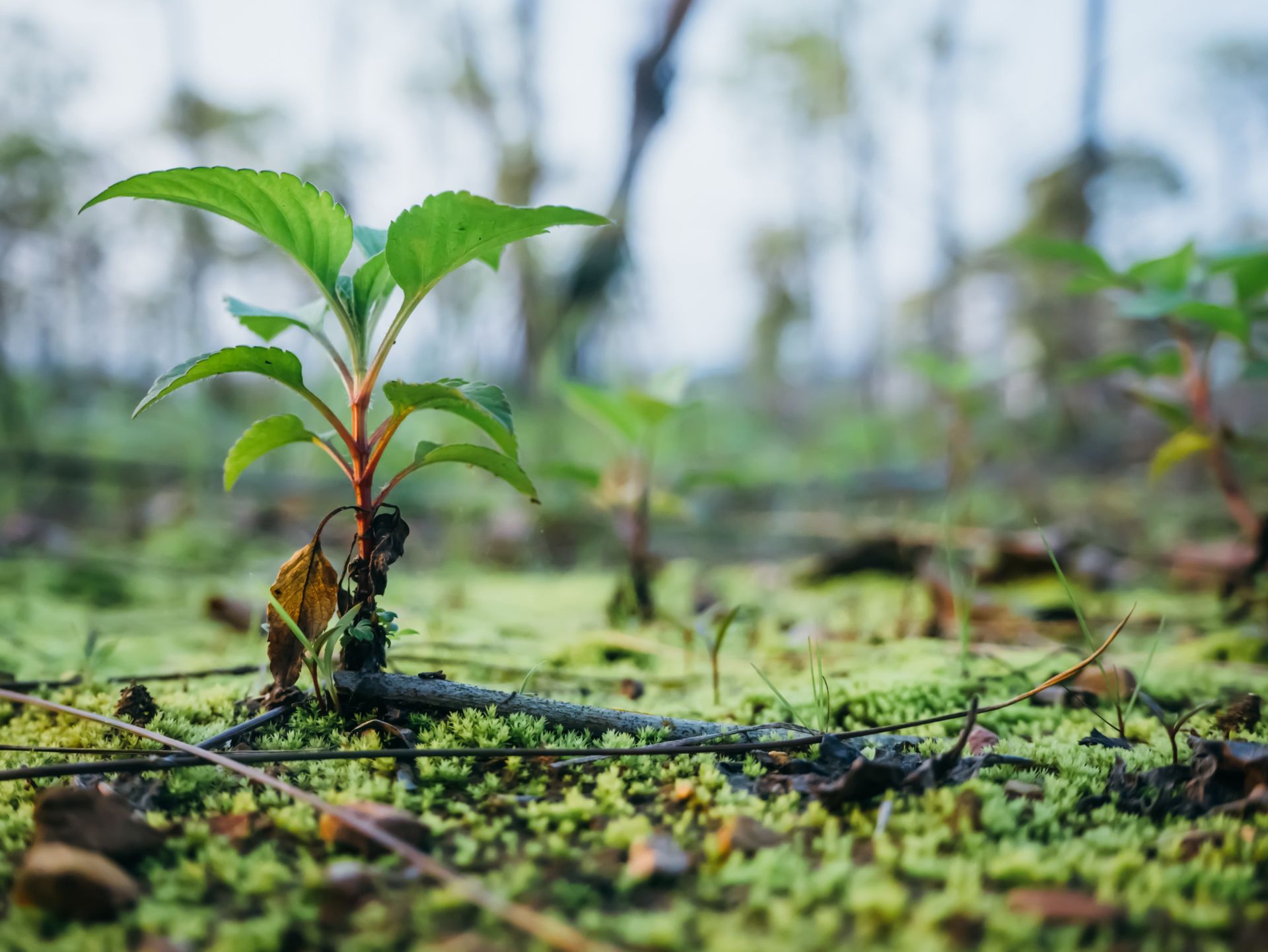
Moving to a Nature-Positive Economy: The Role of Rewilding and Family Farms as Sanctuaries
A shift is underway. Industrial animal agriculture is being recognized for the ailing juggernaut it is. Farm sanctuaries are emerging, offering a vital hospice role by taking in unwanted/surplus farm animals, aiding those wishing to protect rare breeds, assisting landholders transition to plant-protein production where suitable.
Rewilding programs, in particular green care, which refers to arranged formal beneficial interactions with nature, therapeutic horticulture, and animal-assisted therapy, also form part of this movement.
Likewise, other diverse initiatives allow the animals to ‘be’ – the case of the lyrebirds among so many others – while providing new forms of cultural tourism in some instances and community good in others.
Along with all this, the revival of family farms, firmly-embedded in the vision of a sustainable future, is a key part of a winning strategy to enable a nature-positive economy. To ensure that farms are fully operational, machines, such as john deere windrowers, should be provided and fully optimized.
Organizations such as Refarm’d are working with farmers to transition from milk to plant-based drinks, converting existing farmland into animal sanctuaries. It is a new business model that keeps people on their land, generating an income, while moving away from a highly resource-consuming industry.
On an old dairy farm in the United Kingdom, a rewilding specialist and farmer has reintroduced thousands of water vole and later dozens of beavers, two keystone species he has worked with for 25 years in an attempt to rewild Britain’s waterways. After 400 years of absence, the beavers are back, transforming rivers into dams and channels that increase fish, amphibians, and other wildlife populations. Other animals will be being rewilded here and next year storks will be released. Once a conventional farm, gradually livestock has been reduced, fences removed with the ultimate aim to later remove all commercial livestock.
Rewilding Britain believes allowing trees to establish over huge areas naturally could be more effective and far less expensive than actual tree-planting.
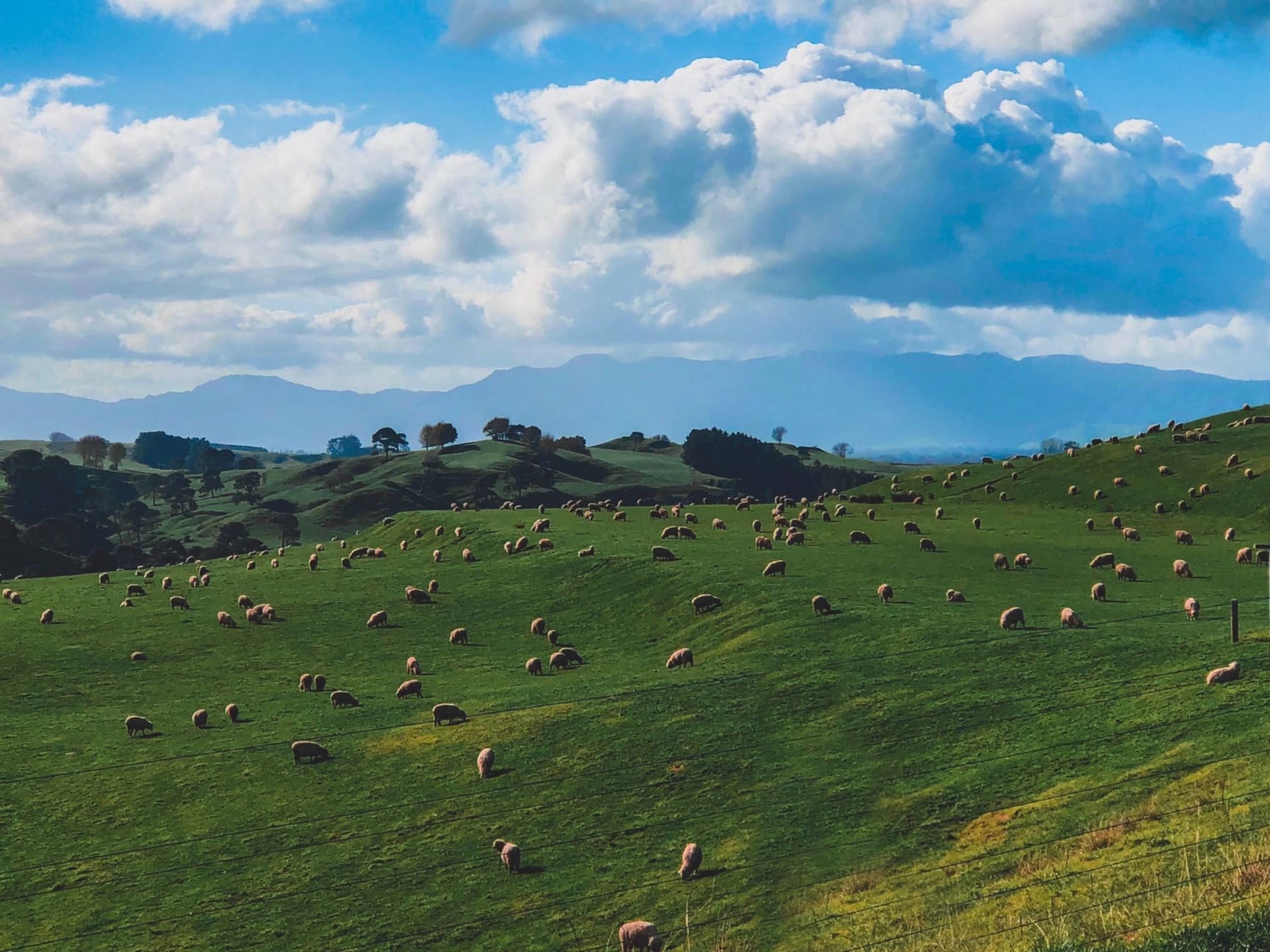
Adding more viability to this idea is that most sheep farming in the UK is not profitable without subsidies. Farmers could instead be paid for the carbon storage generated in allowing native trees to return to their land.
Rewilding in Australia
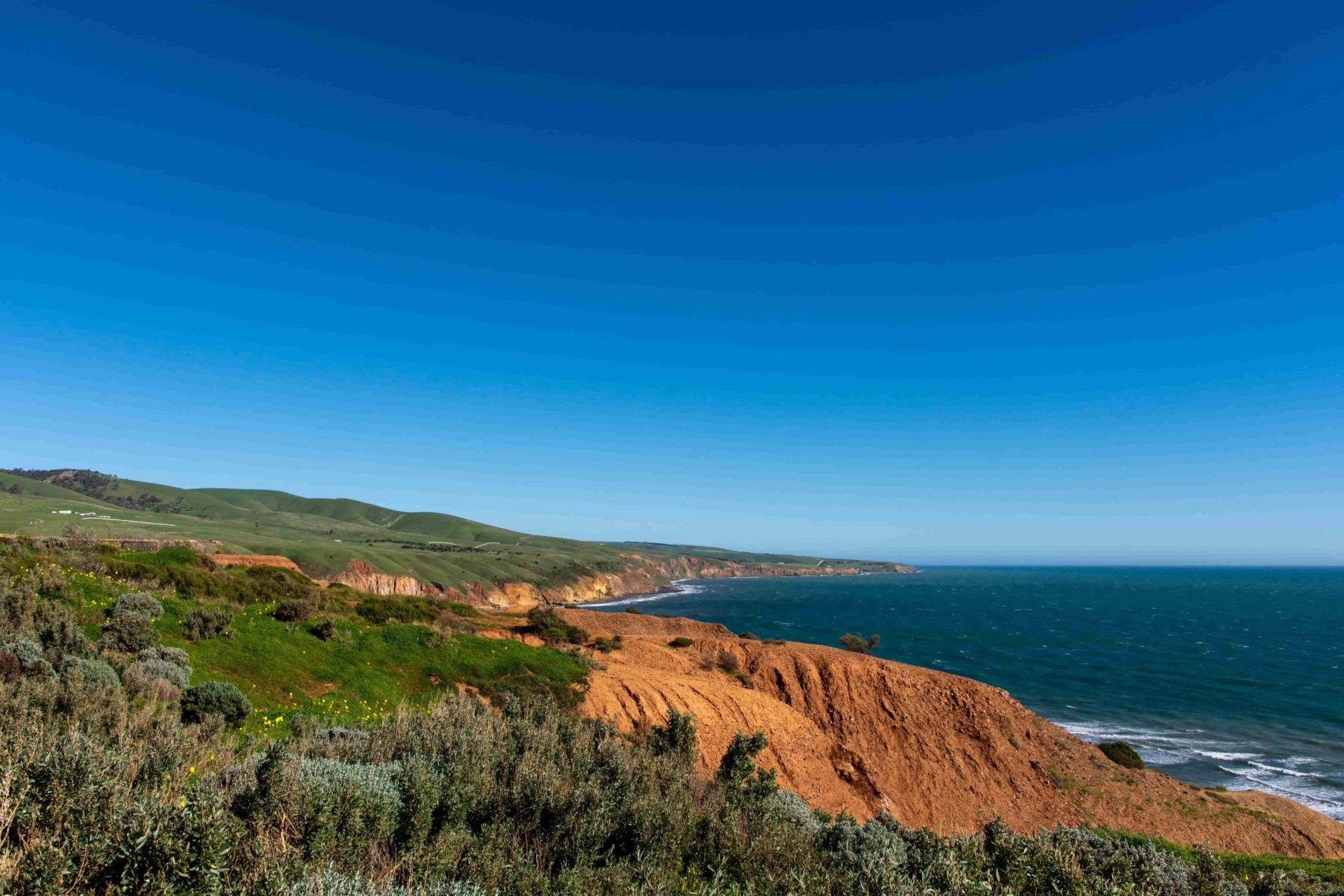
On the other side of the globe, Australia, one of the largest remaining wilderness areas on the planet with a diverse assemblage of endemic species is also undergoing massive change. Areas that were once occupied by cattle and sheep farms are being transformed into wildlife sanctuaries – and also tourist destinations.
In South Australia, at Arkaba Conservancy in the Ikara-Flinders Ranges, what was once a sheep station has been fully destocked and turned into a 60,000-acre wildlife conservancy. The original homestead is used as a lodge for visitors to stay and enjoy a truly personalized, hosted outback experience and stunning star-gazing at night. And it is also a welcome return to the past: Before the European occupation of the Indigenous nations on these lands, the Adnyamathanha ‘people of the rock’ lived in harmony with nature.
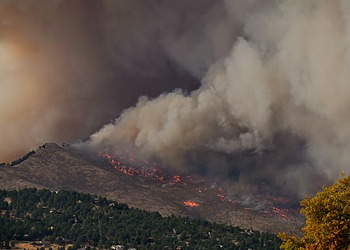
Unprecedented 2019/2020 bushfires in Australia saw over a billion animals killed and more than 45 million acres of land burnt. To address such extensive destruction, it is clear that there is much work to be done. Only 11.5% of the Australian landmass has security as a protected area. And our native mammal population is facing threats of near extinction, among the worst in the world.
The Global Outlook for a Nature-Positive Economy – Solutions
Jumping back to the Northern Hemisphere again, slightly smaller-scale at 1,300 acres, a regenerative farm in Western Vermont, USA, has 107 rescued ducks considered farm partners. This farm produces nuts, hemp, perennial vegetables, and fruit. The ducks live out their lives naturally foraging in the orchard, eating slugs, insects, trampling weeds, and aerating the soil with their bills while their droppings fertilize the land.
It is time to take a giant, cognitive leap and think of ALL farms as sanctuaries – not just the purpose-created ones. What’s required is a change in mindset, as nature-centered elements are adopted. The long-term economic benefits appear to be endless. It could simply start with a destocking regime, a designation of areas for rewilding, a commitment to be an énabler’, allowing nature to do her work – even specifically reintroducing suitable native vegetation as a more sustainable food source where deemed appropriate.
Native plants in Australia like Old Man Saltbush – rich in antioxidants, minerals, and protein – come to mind. This hardy native perennial is a salt accumulator, aids absorption of water into the soil, and is also very efficient at storing Co2. Both the seeds and leaves are edible. The leaves can be enjoyed blanched, sauteed, wrapped around other food or in salads, even dried to be used as a herb/salt sprinkle. It is commonly used today as a livestock grazing plant. Reducing livestock populations frees up this valuable native plant for human consumption.
Native soybeans also grow on this continent (Glycine species), with a standard number in Grassy Box Woodlands. They are very hardy, show resistance to soybean rust, and being deep-rooted perennials, have the potential for combating salinity. Scientists need to study and collect native soybeans from diverse populations to find out more about their disease resistance. Another reason why remnant areas are still growing these soybeans complete with their native plants and animals should be respected.
An excellent business model promoting the growing demand for Australian native produce is in place via the Native Harvest Initiative, established by The Australian Super Food Co.
The NHI offers services such as site and farm assessments, feasibility assessments, and ongoing advice regarding cultivation, crop cultivation/nutrition, harvest, and post-harvest handling. NIH supports Indigenous communities to find ways to increase their returns from wild harvesting and explore how to increase supply while respecting traditional harvesting practices.
This initiative helps Indigenous communities and farmers to increase supply. Australian native produce has sustained Indigenous Australians for over 70,000 years, and as a result, has adapted to this unique continent, requiring no pesticides or fungicides and less water.
There is a massive demand for Australian native produce worldwide and in several examples, produce is more profitable than traditional crops.
Mentioned here are a handful of possibilities, and the surface has only been scratched.
Multiplied globally, and we have limitless potential.
Can we take the necessary, giant leap? It seems there is no other choice. We must L E A P!