“Global Guide to Ecotourism” was one of my published books when I was a young journalist in Japan. The premise now sounds obvious but in Japan at that time it was still a new concept. Tourism relies on its destination’s natural and human assets. Tourism should not destroy these assets. Tourism should sustain, improve and expand these assets, for the benefit of all.
Tourism relies on its destination’s natural and human assets. Tourism should not destroy these assets. Tourism should sustain, improve and expand these assets, for the benefit of all.
One of the many countries I visited for that book project was Namibia. Its amazing people and wildlife really put the hooks in me and I subsequently returned and worked for conservation and development for a decade until 2010. The country had extraordinary natural assets and conserving them was benefiting tremendously. Community involvement was an essential ingredient in this success story. Tourism was a key ally.
Tourism may sound rather frivolous. Wildlife tourism fringe-frivolous! But statistics indicate that it is in fact one of the most influential and world-shaping of human industries.

The travel and tourism sector accounts for 10.3% of the global GDP — larger than the world agriculture sector. In 2019 alone, it created one in four new jobs! Economic Contribution of Wildlife Tourism is equally impressive. It came to $ 343.6 billion (0.4% of the global GDP) in 2018 and wildlife tourism supported 21.8 million jobs across the world, or 6.8% of total travel and tourism jobs. The percentage is much higher in Africa at 36.3%.
Tourism has been central to thousands of conservation projects that have generated livelihoods, jobs and income, empowering rural women and men. It has become a key argument in the “conserve or exploit” debate.
Back to Namibia. Tourism, primarily nature-based, in Namibia is the 2nd largest economic sector, accounting for 15.4% of total employment and 14.7% of the national GDP. Tourism is a core part of the country’s poverty reduction and biodiversity conservation strategy. One colleague said that community-based tourism is the most effective way to redistribute income from the wealthy to the less wealthy and poor.
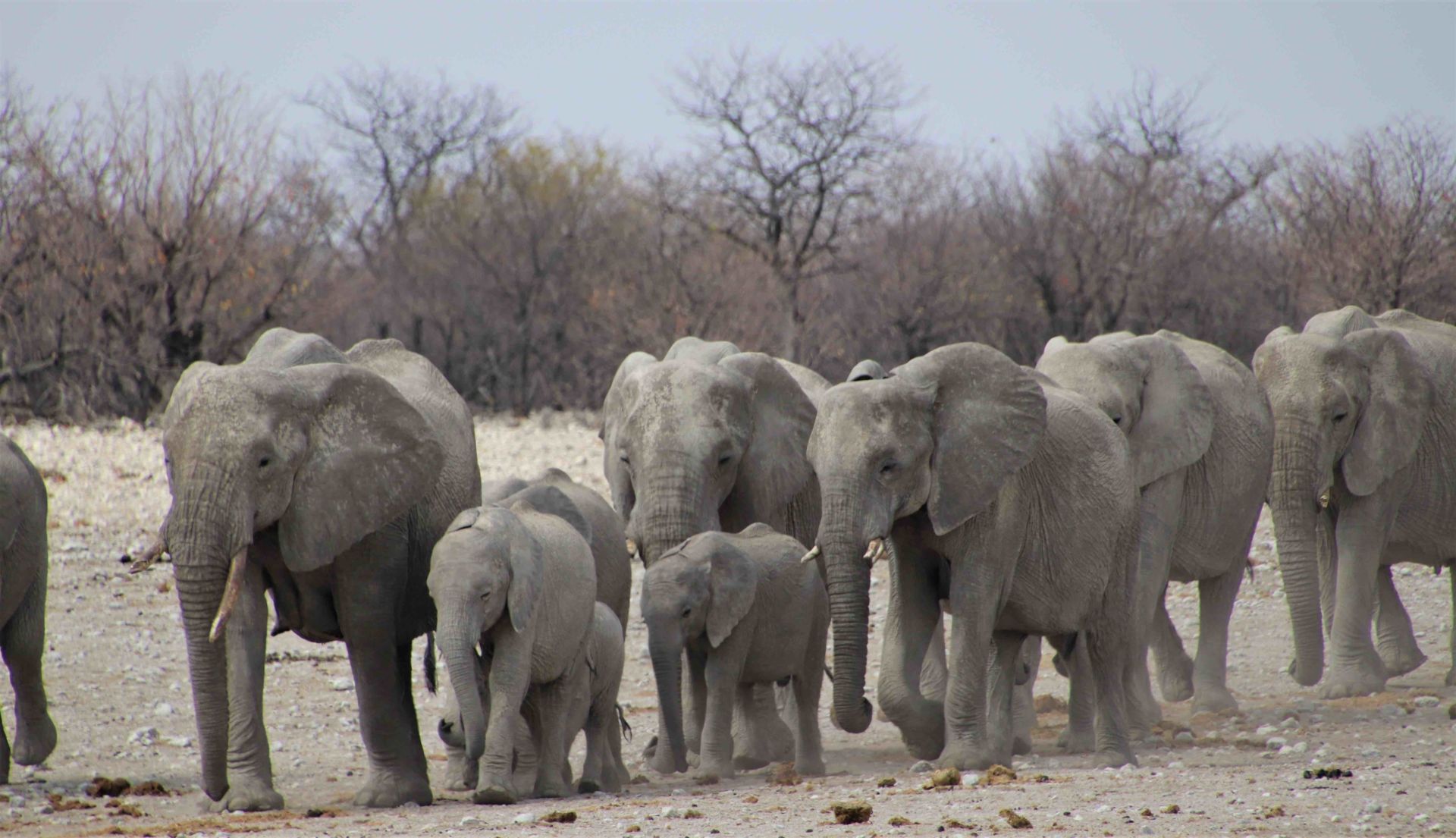
This has made it possible for Namibia to gazette nearly 50% of its land surface for conservation-oriented management, 20% of which comprises 86 communal conservancies harbouring the flagship safari species, including desert adapted elephant, lions, and the world’s largest population of black rhino and cheetah. Communities are given the right to benefits from wildlife, which empowers them to develop enterprises and generate much needed employment and opportunities for self-development. Poachers became entrepreneurs and wildlife protectors, because people saw wildlife as their assets.
And then abruptly came COVID; lockdowns, travel paralysis and the end of an economic lifeline to hundreds of millions. The estimated COVID impact on travel and tourism sector is staggering. The World Travel and Tourism Council estimates that up to 75 million jobs globally are at immediate risk, and anticipate an economic loss of up to $ 2.1 trillion. The recovery time after disease outbreaks has in the past averaged around 19.4 months before returning to pre-crisis arrival levels. So, it is not that everything gets normal the day after the lockdown is lifted.
What does it mean for communities in Namibia’s conservancies, the guardians of extraordinary biodiversity? It means loss of the annual tourism income of $ 3.2 million, and an additional $ 3.5 million loss of salaries to tourism staff living in conservancies. In addition, tens of thousands of jobs are in jeopardy, including community game guards, conservancy staff and people providing goods and services to nature and wildlife-based tourism in the country.
https://vimeo.com/370141450
The 30-year effort to build Namibia’s communal conservancy programme is under severe threat. And this is happening across the African continent, and beyond. Recognizing that, our partnership initiative The Lion’s Share has just announced a call for proposals for COVID Emergency Grants to support building resilience of communities whose livelihoods depend on wildlife tourism. It will help but only in a minute way. Much more needs to be done.
COVID is a pandemic human health crisis and is also a colossal and unprecedented assault on human behavioral norms, movement, the tourism industry and all the conservation efforts that depend on it. There have been reports from around the world of increased poaching by communities that have lost their jobs and livelihoods. This once again raises the specter of wildlife to human pathogen infection and future zoonotic pandemics like COVID-19 which get transmitted from wildlife to humans.
Related Articles: On Extinction, Food, Climate and Inequality | Engaging the ‘Unusual Suspects’: An Interview With Azzedine Downes
There has been a growing debate on banning of wildlife trade to prevent future pandemic outbreaks. Governments and agencies are discussing post-COVID recovery and how countries can rebuild their economies, and to redirect recovery towards establishing a sustainable and just world in the Decade of Action for Sustainable Development Goals.
Given its immense contribution to poverty reduction and biodiversity conservation, the nature and wildlife-based tourism sector must be viewed as a large corporation employing tens of millions people — many of them vulnerable and in rural areas. Globally, this pandemic is affecting directly and seriously at least 100 million people dependent on the wildlife economy, including informal suppliers to the economy and their families. Serious support is required for this sector and people. Not only for airlines, large farms and corporations.
The World Economic Forum ranked nature loss as one of the top global risks now facing us. COVID-19 has shown us why. Nature loss and wildlife consumption are the root cause of the emergence of zoonotic infectious diseases, like coronavirus, Ebola and HIV-AIDS.
Intact nature gives us air, water and food and serves as a “natural vaccine” to reduce the frequency and intensity of future outbreaks of zoonotic pandemics.
Now, because of the pandemic, there are even more pressing reasons to invest in communities that protect nature through wildlife tourism and conservation actions. COVID recovery packages must include this investment. Nature underpins people’s survival, wellbeing and sustainable development. Intact nature gives us air, water and food and serves as a “natural vaccine” to reduce the frequency and intensity of future outbreaks of zoonotic pandemics. This will save tens of trillions of dollars in coming decades and avoid misery for billions of people. Doesn’t it sound like a no brainer?
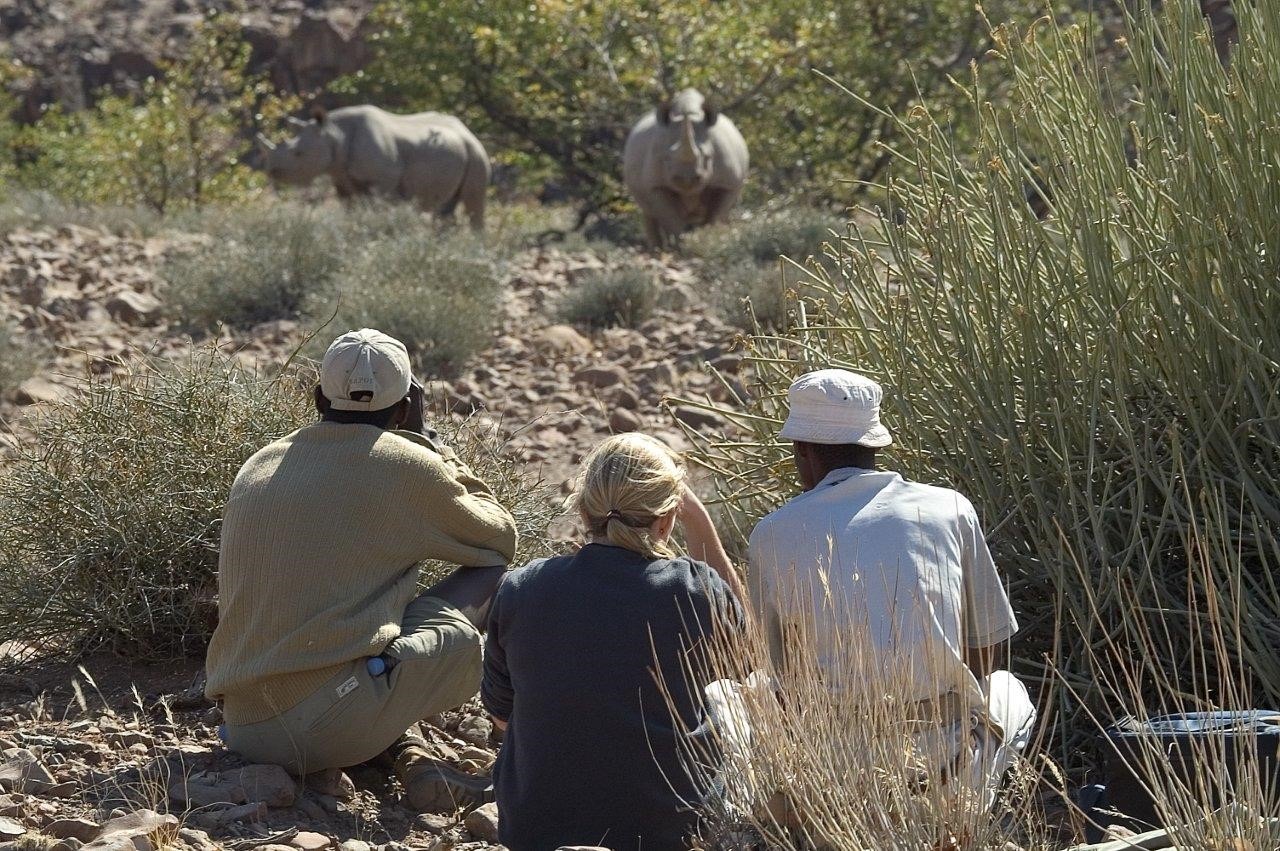
Editor’s Note: The opinions expressed here by Impakter.com columnists are their own, not those of Impakter.com — In the Featured Photo: Black Rhino, a tourist and two community rangers. — Featured Photo Credit: SRT